

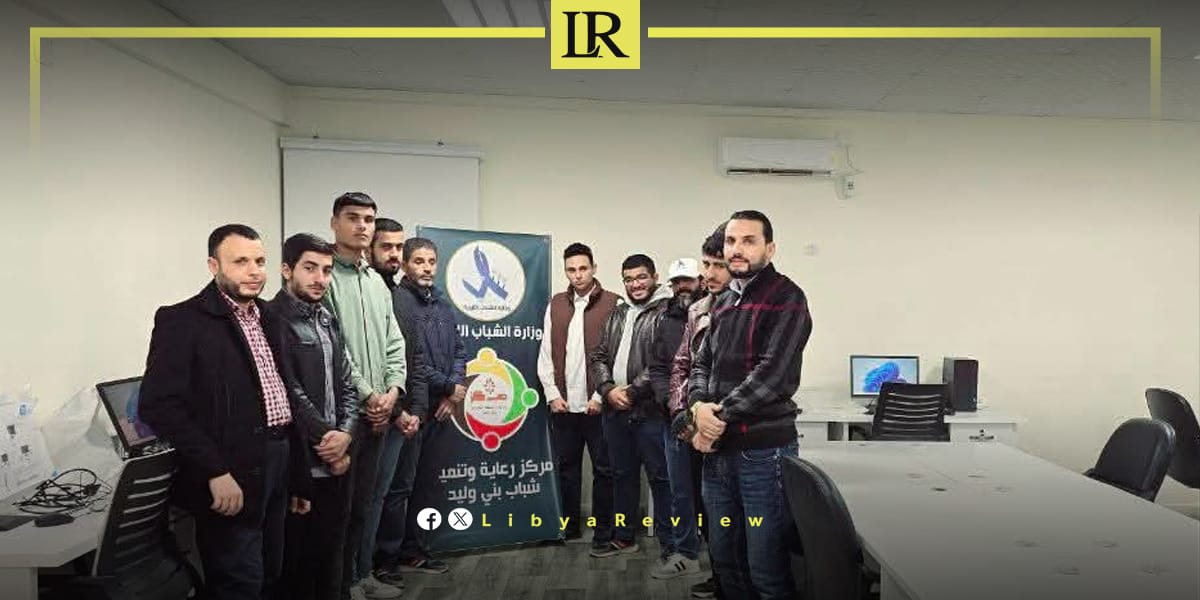
In a significant move towards fostering a digital-first economy, Libya has announced the launch of its inaugural AI Youth Club in Bani Walid. The initiative, led by the Ministry of Youth through the Dinar Martyrs Centre for Youth Care, is a strategic effort to equip the nation’s young people with critical skills in artificial intelligence and other emerging technologies.
A Strategic Push Towards Digital Literacy
The opening ceremony, attended by the centre’s Director General, Eng. Wael Idris Al-Jadak, and Head of the Girls’ Section, Ms Maryam Sultan, set a clear tone for the initiative’s ambitions. A technical team provided an introductory presentation on AI, outlining its modern applications across key sectors such as education, healthcare, finance, and cybersecurity, demonstrating the broad impact of the skills the youth will acquire.
This initiative is part of Libya’s broader national vision for digital transformation, acknowledging that technological literacy is essential for competing in a global economy driven by automation and intelligent systems. By integrating AI into early-stage training, the ministry aims to cultivate a generation of innovators.
Building a Talent Incubator
Under the leadership of Eng. Ezzedine Kajaman, the AI Youth Club has a strategic roadmap focused on structured training, specialised workshops, and innovation-focused activities. The curriculum is designed to strengthen core competencies in programming, data analysis, digital ethics, and robotics.
Officials have highlighted that the club will function as a talent incubator, providing young participants with the necessary tools and mentorship to thrive in rapidly evolving digital markets. The programme aims to bridge the gap between theoretical knowledge and practical application, preparing its members for real-world challenges.
About The AI Youth Club Initiative
The AI Youth Club is a government-backed programme designed to empower Libyan youth with advanced digital skills. Launched by the Ministry of Youth, it serves as an educational platform and a talent incubator focused on artificial intelligence, programming, and robotics. The initiative plans to forge partnerships with universities, technology providers, and international training networks to ensure its curriculum remains globally competitive and to provide participants with access to world-class expertise, furthering Libya’s goal of building a knowledge-based economy.
Source: Libya Review