




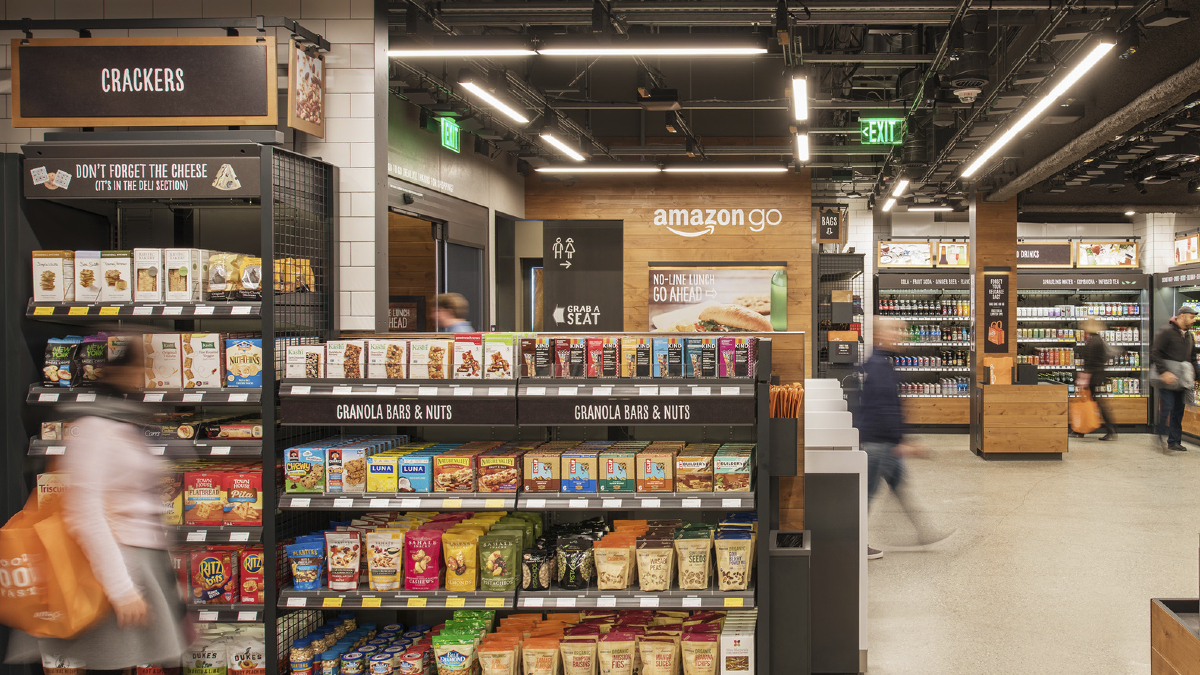
In a significant pivot from its physical retail ambitions, Amazon has announced the closure of its brick-and-mortar Amazon Go and Amazon Fresh stores. The e-commerce giant will instead shift its focus toward expanding its Whole Foods Market footprint and its capacity for same-day grocery delivery.
An Unsuccessful Experiment in Physical Retail
The Amazon-branded stores were initially conceived as a testing ground for the company’s cashierless “Just Walk Out” technology, which allows customers to grab items and leave without a formal checkout process. However, the venture failed to achieve the necessary economic viability for a large-scale rollout.
“While we’ve seen encouraging signals in our Amazon-branded physical grocery stores, we haven’t yet created a truly distinctive customer experience with the right economic model needed for large-scale expansion,” the company stated in a blog post.
This move aligns with Amazon’s recent trend of scaling back its physical retail presence, with previous closures in 2024 attributed to prohibitive lease costs that made the economic model unsustainable.
A Renewed Focus on Whole Foods and Tech Licensing
Instead of abandoning physical retail entirely, Amazon is doubling down on a brand with proven customer loyalty: Whole Foods Market. Since being acquired by Amazon in 2017, Whole Foods has seen over 40% sales growth. The company now plans to open more than 100 new Whole Foods stores, including smaller, convenience-focused “Whole Foods Market Daily Shop” locations.
Concurrently, Amazon will pivot the “Just Walk Out” technology from its own stores to a B2B offering, licensing it to third-party retailers such as concession stands at sports stadiums.
Implications for the MENA Retail and Q-Commerce Landscape
Amazon’s strategic retreat from its own branded stores offers a valuable lesson for the burgeoning q-commerce and retail tech sectors across MENA. For regional players heavily invested in dark stores and rapid delivery, this move underscores the immense operational and economic challenges of maintaining a physical retail footprint.
It highlights that even for a global giant, building a new retail brand to compete with established players is a monumental task. The decision to license its “Just Walk Out” technology as a B2B solution could also signal a significant opportunity for MENA’s large-scale retailers in malls, airports, and stadiums to adopt similar cashierless solutions without the heavy R&D investment. This pivot emphasizes that the future of retail innovation in the region may lie more in B2B tech partnerships than in building new consumer-facing physical store brands from the ground up.
About Amazon
Amazon is a multinational technology company focusing on e-commerce, cloud computing, online advertising, digital streaming, and artificial intelligence. It has been referred to as “one of the most influential economic and cultural forces in the world” and is one of the world’s most valuable brands.
Source: TechCrunch