




Egypt’s governmental Islamic advisory body, Dar al-Ifta al-Misriyyah, has issued a fatwa declaring the use of artificial intelligence applications like ChatGPT for interpreting the Holy Quran as impermissible under Islamic law. The landmark ruling addresses growing concerns over the theological and methodological risks of using unqualified AI systems for religious guidance.
The fatwa, published on the institution’s website, states that relying entirely on AI-generated interpretations exposes the sacred text to conjecture, inaccuracies, and misrepresentation. It cautions that such technologies lack a true comprehension of Quranic meaning and operate on automated data processing, which can lead to factual errors and content inconsistent with established Islamic teachings.
Preserving Authenticity in the Digital Age
Dar al-Ifta detailed several legal and methodological flaws in AI-based interpretation, highlighting its inability to verify source materials, the absence of specialist oversight, and the lack of a scientifically established interpretive methodology. The authority warned that AI models process vast amounts of data from multiple, often contradictory, sources which may be distorted or issued by unqualified entities.
The ruling is intended to preserve the Quran from unverified attribution and assumption. It reiterates that Muslims seeking to understand the Quran must consult authentic tafsir works, qualified exegetes, and credible religious institutions. This ensures that interpretations adhere to traditional scholarly standards and methodologies, preventing the spread of doctrinal errors and unreliable explanations.
A Nuanced Stance on Technology
While the ruling is a significant move to regulate the use of AI in religious exegesis, it should not be viewed as a rejection of digital technology. Islamic institutions across the region, including Dar al-Ifta, are increasingly embracing digital transformation to reach wider audiences.
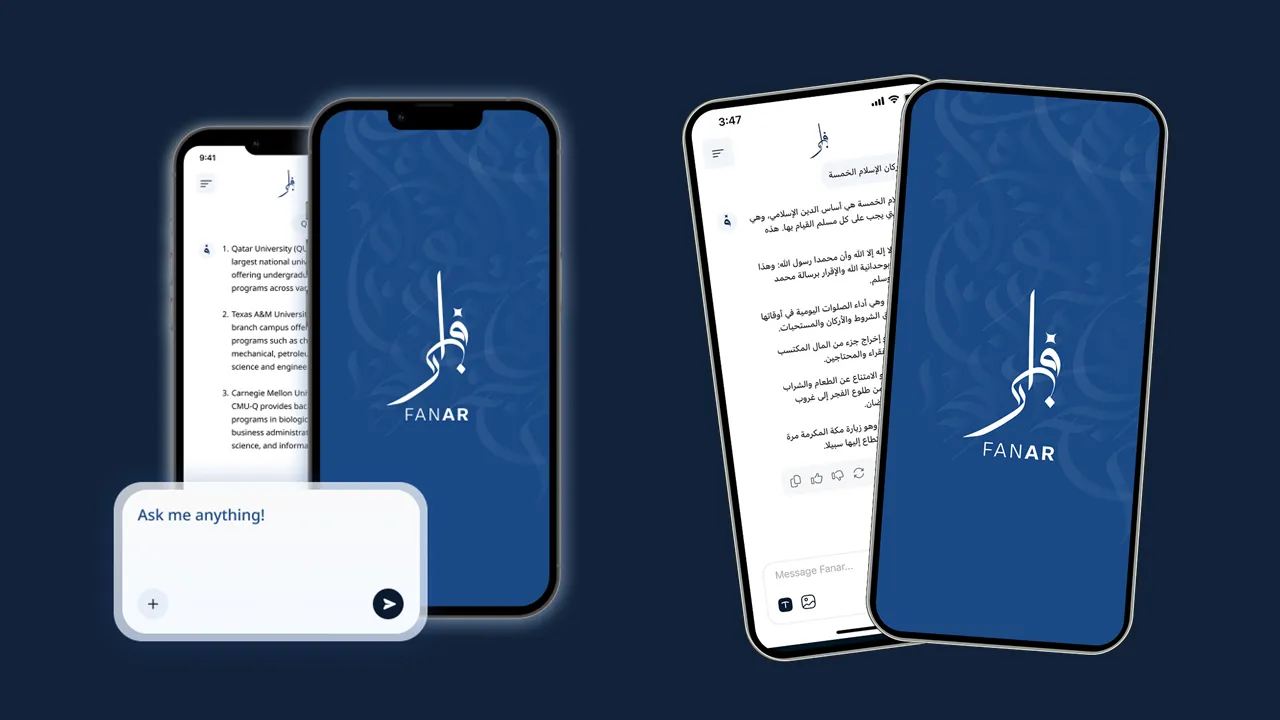
In June 2022, Dar al-Ifta launched FatwaPro, a smart mobile application designed to respond to religious inquiries from Muslims worldwide, particularly in Western countries. The app has already handled thousands of fatwas. Similarly, religious authorities in Saudi Arabia introduced the “Manara Robot” at Mecca’s Grand Mosque, an AI-powered robot programmed to answer religious queries in multiple languages and connect users with senior clerics. These initiatives demonstrate a clear distinction between using technology for accessibility and communication versus ceding core interpretive authority to AI.
About Dar al-Ifta al-Misriyyah
Established in 1895, Dar al-Ifta al-Misriyyah is Egypt’s premier institute representing Islam and a center for Islamic legal research. It operates as a non-profit governmental organization, offering Muslims religious guidance and issuing fatwas on a wide range of contemporary and everyday issues.
Source: Middle East AI News