
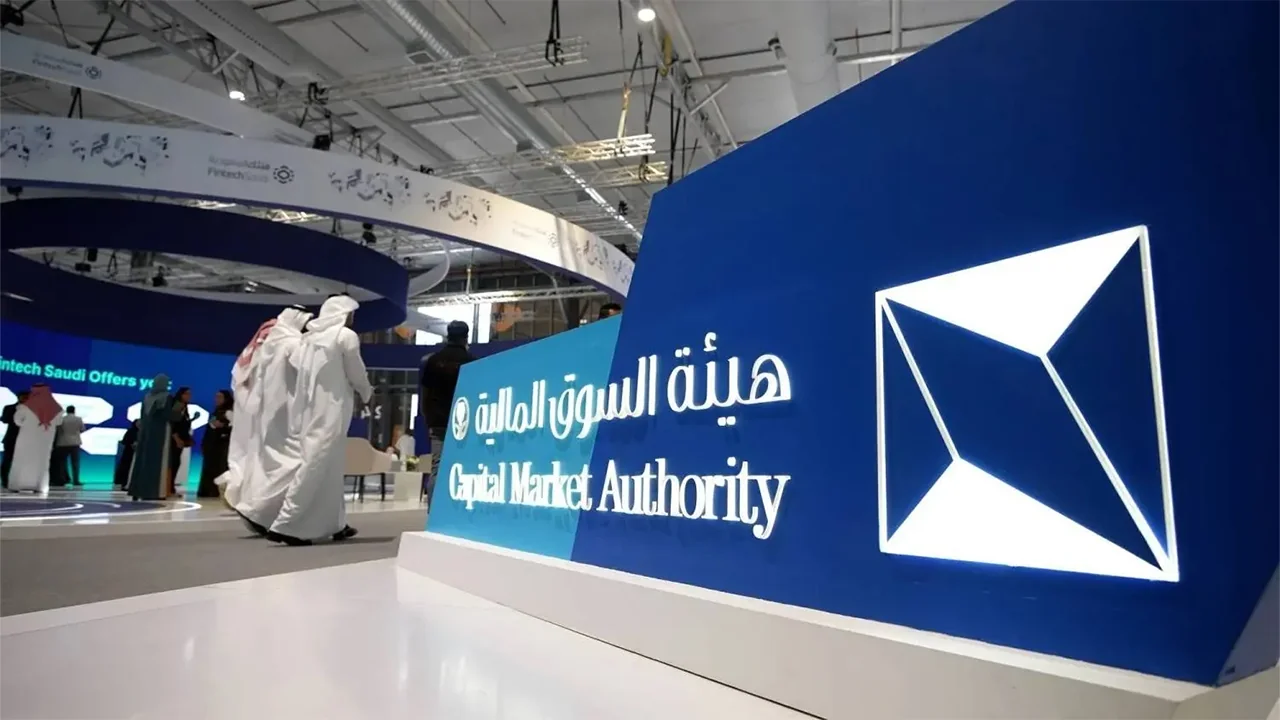
In a strategic move to bolster market liquidity and expand participation, the Saudi Capital Market Authority (CMA) has officially approved amendments that widen the investor base for the Kingdom’s Parallel Market, Nomu. The decision, which is effective immediately, lowers the entry barriers for qualified investors, signaling a significant step in maturing the ecosystem for small and medium-sized enterprises (SMEs) seeking public listing.
Expanding Academic and Professional Eligibility
The CMA has broadened the definition of a qualified investor by including individuals holding a bachelor’s degree in Finance, Investment, or Accounting. This marks a considerable shift from the previous requirement, which was limited to holders of master’s degrees in related fields or those with specific professional certifications like the SOCPA fellowship.
Furthermore, the new regulations now permit current and former members of boards of directors or specialized committees of companies listed on Nomu to invest in the parallel market. This change leverages the deep industry expertise and vested interest of seasoned executives to support the growth of listed SMEs.
Lowering Financial Barriers
To attract a larger pool of individual investors, the CMA has also eased the financial prerequisites. The total value of trades an investor must have executed in the capital market over the preceding 12 months has been halved, dropping from SAR 40 million to SAR 20 million. This substantial reduction is designed to make investing in Nomu-listed companies more accessible to a wider segment of experienced retail investors.
About Nomu – The Parallel Market
Nomu is a parallel equity market in Saudi Arabia launched by the Saudi Tadawul Group. It operates with lighter listing requirements compared to the main market, providing a crucial platform for small and medium-sized enterprises (SMEs) to raise capital and go public. The market aims to offer an alternative source of funding for growing companies, thereby contributing to economic diversification and growth in line with Saudi Arabia’s Vision 2030.
Source: Waya