


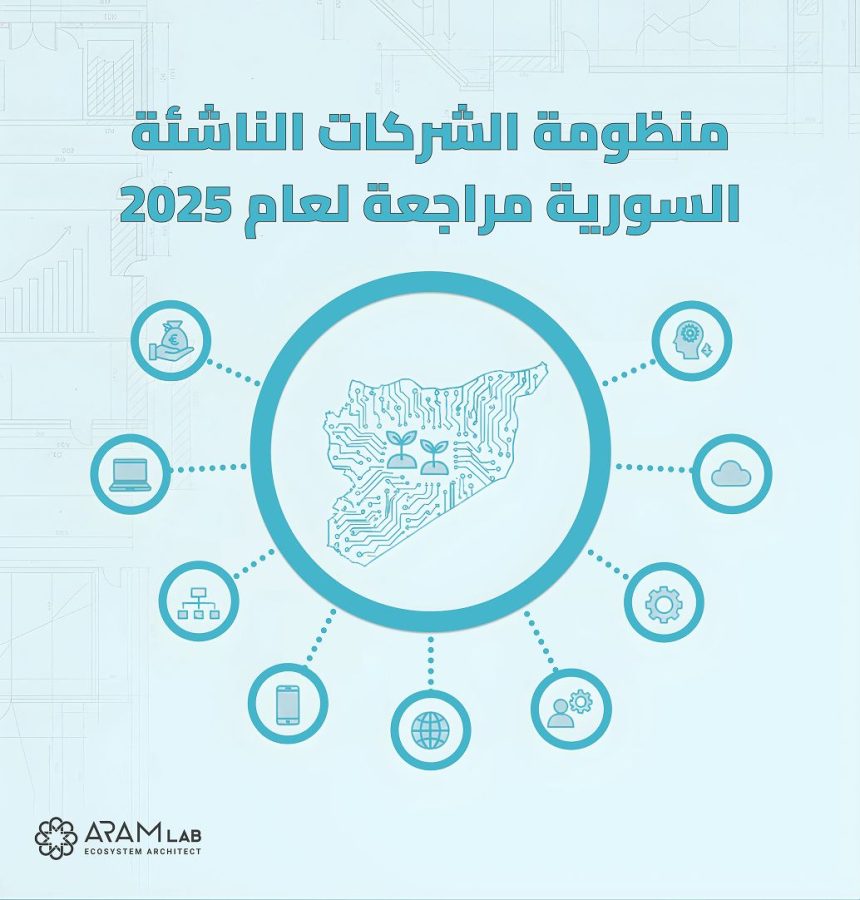
In 2025, the Syrian startup landscape entered a phase best described as re-emergence under constraint rather than simple recovery. Following nearly fourteen years of conflict and a massive economic contraction, the ecosystem is bearing witness to a structural intersection between nascent startups, long-standing digital services, and renewed diaspora engagement. According to a comprehensive review by Aram Lab, this past year did not produce “breakout” unicorns, but rather established a foundational alignment where entrepreneurial energy is finally becoming visible, even as it presses against the ceiling of lagging infrastructure.
The Macro Shift: Sanctions Relief and Market Opening
The backdrop for this resurgence was a pivotal shift in the geopolitical and economic environment. The year 2025 marked a turning point with the lifting of major sector-specific sanctions by the European Union on banking, energy, and transport, alongside historic moves by the United States to permanently repeal the Caesar Act via the 2026 National Defense Authorization Act.
These legislative changes, combined with updates to UK and Australian sanction regimes, began to erode the isolation that has long stifled Syrian innovation. While daily realities—such as unstable electricity and damaged water networks—remain harsh, the removal of secondary sanctions has allowed for the first tentative inflows of capital and the re-engagement of third-party investors, fundamentally altering the conditions under which Syrian entrepreneurs operate.
A Landscape Driven by Digital Necessity
Data indicates that over 200 startups are now active within the country, predominantly within the digital services sector. The ecosystem is young, with the majority of ventures being less than three years old, yet it is underpinned by “anchor” companies like BeeOrder and YallaGo that survived the lean years and cultivated user behavior.
A significant demographic shift is also underway. Female founders now account for approximately 35% of the ecosystem, a stark rise from 22.4% in 2015, taking leading roles in edtech, healthcare, and the creative industries. Geographically, while Damascus remains the hub hosting one-third of these ventures, emerging clusters are solidifying in Homs, Aleppo, and Latakia.
Connecting to the Global Grid
For the first time in a decade, 2025 saw the Syrian ecosystem physically bridge the gap with the global tech community. The launch of the Digital Innovation Hub (DIGIT) in Damascus by the UNDP provided a physical center for prototyping and vocational training. Simultaneously, the ecosystem made its presence felt abroad; Syria participated with a national pavilion at GITEX Expand North Star under the banner “Syria Is Online,” while the SYNC 25 conference in Silicon Valley reconnected Syrian-American tech expertise with founders on the ground.
The Structural Gap: Ambition vs. Architecture
Despite the momentum, the ecosystem faces a “structural gap” where entrepreneurial ambition is outpacing the institutional architecture required to support it. The Aram Lab report identifies six critical bottlenecks that prevent this momentum from translating into sustainable economic growth:
- Legal Ambiguity: Current laws are designed for traditional commerce, lacking recognition for equity-based startups or modern investment instruments like SAFEs.
- Financial Friction: While capital exists, payment infrastructure remains a choke point, making it difficult for startups to monetize demand or move funds across borders.
- Knowledge Gaps: There is a lack of cumulative learning; mentorship remains sporadic, and founders often struggle to transition from prototypes to structured organizations.
- Data Scarcity: A lack of reliable market data forces founders to operate on intuition, leading to duplicated efforts and miscalculated market sizes.
- Institutional Fragmentation: NGOs, incubators, and donors often operate in parallel silos, leading to a lack of coordinated support tracks for founders.
- Infrastructure Deficits: Physical and digital instability forces startups to design for resilience rather than scalability, often capping their potential growth.
Moving from Activity to Consistency
The narrative of 2025 was one of alignment—founders recognizing their shared constraints and speaking a common language of innovation. However, the outlook for the ecosystem hinges on shifting from a mindset of survival to one of structure. The priority is no longer just increasing the number of startups, but hardening the “plumbing” of the ecosystem—legal frameworks, payment rails, and data availability—to ensure that the high entrepreneurial energy currently witnessed can be captured and sustained.
About Aram Lab
Aram Lab is a research and advisory firm focused on analyzing and enabling startup ecosystems in complex environments. They provide deep-dive reports, policy recommendations, and strategic insights to help founders, investors, and development organizations navigate and build resilient innovation economies.
Source: Aram Lab