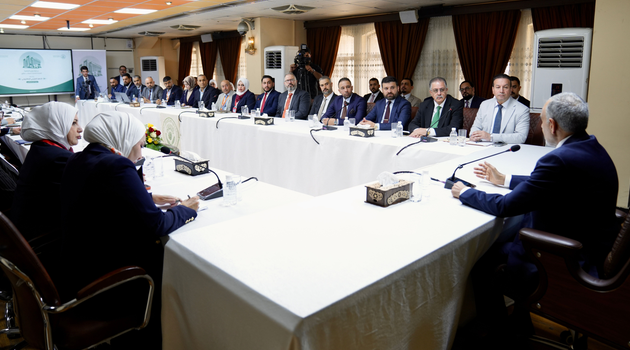


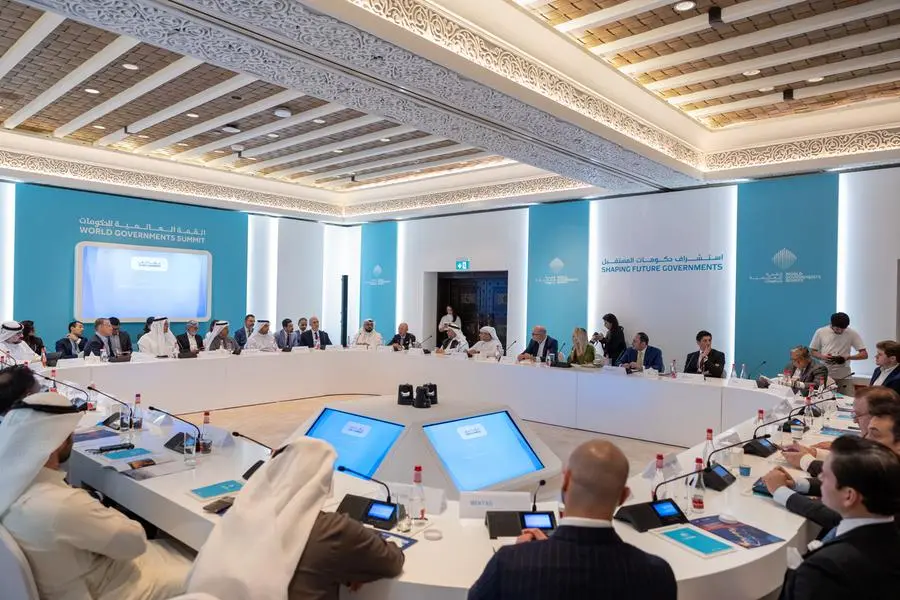
At a high-level roundtable during the World Governments Summit 2026, Dubai Chambers convened over 40 senior leaders from local and international family businesses to explore the future of their investment portfolios and philanthropic impact. The discussion highlighted a significant transformation in the sector, moving from traditional wealth preservation to actively shaping the global investment landscape.
In his opening remarks, H.E. Eng. Sultan bin Saeed Al Mansoori, Chairman of Dubai Chambers, noted that family businesses are no longer solely focused on their economic legacy. “Increasingly, they are helping shape the future of investment,
advancing sustainable development, and building cross-border partnerships,” he stated. “This expanding role calls for a fresh look at how family businesses are supported, including strengthening their ability to adapt to change and accelerate growth in an increasingly complex and competitive global economy.”
A New Era of Governance and Growth
The discussion emphasized the need for family offices to embrace agile governance structures and modern technology to enhance decision-making and capitalize on emerging market opportunities. H.E. Al Mansoori stressed the importance of empowering the next generation, given their innate understanding of modern technologies and future priorities, to play a meaningful role in shaping these new strategies.
According to data from PwC, the family business sector is a cornerstone of Dubai’s economy, contributing AED 491.8 billion to the emirate’s GDP in 2024 and playing a key role in the Dubai Economic Agenda (D33).
Driving Global Venture Capital
The roundtable revealed a strategic shift in how family businesses allocate capital, moving towards a more dynamic and diversified approach. A notable trend is the rise of ‘club deals’—co-investments with other partners to reduce risk and pursue larger transactions. According to PwC, these partnership deals accounted for approximately 69% of all deals completed by family offices in the first half of 2025.
This global trend is strongly reflected in the UAE, where family offices have become major players in venture capital. During the first six months of 2025, UAE family offices closed VC deals worth around AED 11 billion (US$3 billion), ranking them third globally behind only the United States and the United Kingdom.
The Rise of Impact Driven Philanthropy
Beyond financial returns, the conversation highlighted a growing focus on social and environmental impact. The session explored the shift towards ‘impact-driven philanthropy,’ where contributions are viewed as strategic investments in community well-being.
Participants underlined the need for clear governance, reliable impact measurement, and deeper collaboration with public and private institutions to ensure philanthropic efforts are sustainable and aligned with institutional strategies. H.E. Al Mansoori emphasized that contributing to communities should be “embedded as a core element of family businesses’ institutional strategies.”
About Dubai Chambers
Dubai Chambers is a non-profit public organization that supports the growth of business in Dubai. It acts as a bridge between the business community and the government, providing a range of services to foster a favourable business environment. The organization operates key initiatives like the Dubai Centre for Family Businesses to support specific sectors of the economy.
About Dubai Centre for Family Businesses
Operating under the umbrella of Dubai Chambers, the Dubai Centre for Family Businesses is dedicated to ensuring the sustainability and competitiveness of family-run enterprises across generations. The centre provides an integrated framework for governance, succession planning, and capacity building, helping family businesses adapt to economic changes and adopt international best practices.
Source: Zawya