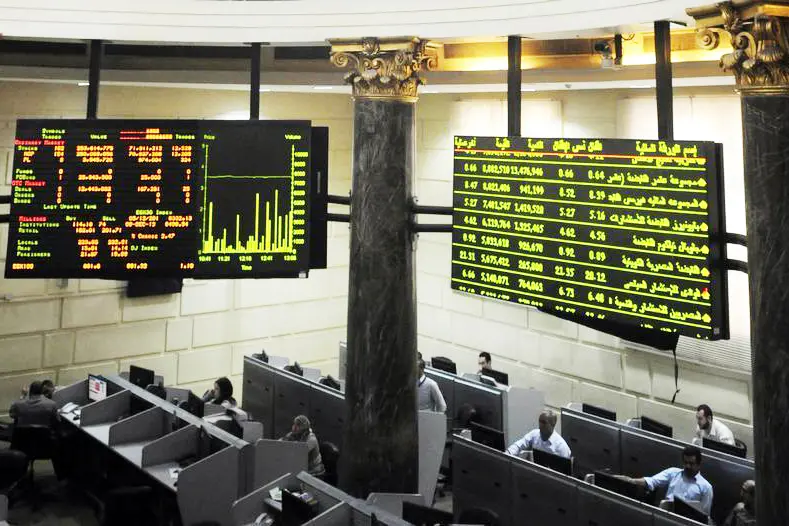
Egypt’s Financial Regulatory Authority (FRA) has announced a comprehensive overhaul of the rules governing the listing and delisting of securities on the Egyptian Exchange (EGX). The landmark amendments are designed to strengthen corporate governance and transparency, enhance investor protection, and ultimately increase the efficiency and appeal of Egypt’s public markets for both local and international capital.
The new framework introduces a broad package of regulatory measures aimed at addressing structural gaps that have previously impacted investor confidence, signaling a significant shift towards a modern, digitally-driven regulatory environment.
A New Era of Digital Governance
Mohamed Farid, chairman of the FRA, stated that the amendments represent a clear transition from traditional regulatory practices to an era of digital governance. He emphasized that the goal is to open up financing channels for promising new companies while applying strict oversight to protect company assets and shareholder interests.
A key feature of this digital shift is the establishment of a mandatory electronic register of company insiders. Listed companies must now maintain and regularly update this register through the EGX’s system, including detailed information on insiders and their relatives. This initiative aims to prevent the monopolization of information and ensure compliance with trading restrictions around material events.
Easing the Path to Public Markets
To facilitate access to capital for startups and small and medium enterprises (SMEs), the FRA has introduced a separate, more accommodating set of listing requirements. These include specific minimums for capital, free-float percentage, shareholder numbers, and total shares.
Crucially, retention requirements for major shareholders have been made more balanced. Shareholders with 10% or more of a company’s capital are now required to submit undertakings that their combined ownership will not fall below 51%, a significant reduction from the previous 75% threshold, and that it will not be less than 25% of total shares for two years following an IPO.
Strengthening Corporate Oversight and Accountability
The new rules mandate several measures to bolster corporate governance. Companies are now required to apply cumulative voting when electing board members, a method designed to give minority shareholders a better chance at representation. Board nomination applications, especially for independent candidates, must be submitted to a newly required Nominations and Remuneration Committee.
Furthermore, listed companies must include a detailed evaluation of board performance in their annual reports and notify the FRA in advance of any plans to change their external auditor, providing clear justifications for the decision.
Protecting Minority Shareholders and Company Assets
The amendments introduce robust safeguards for company assets and the rights of minority investors. Companies must now prepare and submit fair value studies when disposing of significant assets or shares in other entities, particularly if the transaction price deviates from market value. Similar requirements apply to capital increases, which must be justified with feasibility studies and detailed plans for the use of funds.
In a significant move to protect smaller investors, voluntary delisting from the EGX will now require approval from a majority of minority shareholders present at the general assembly. This gives a stronger voice to investors who do not hold controlling stakes in a company’s decisions.
About The Financial Regulatory Authority (FRA)
The Financial Regulatory Authority is an Egyptian public authority responsible for supervising and regulating non-banking financial markets and instruments. This includes capital markets, futures exchanges, insurance activities, mortgage finance, financial leasing, factoring, and securitization. The FRA works to ensure market stability and competitiveness while protecting the rights of all stakeholders.
Source: Zawya