



SpaceX‘s board has approved a compensation plan for founder Elon Musk that is as ambitious as the company’s long-term vision, directly linking his rewards to the colonization of Mars and achieving a valuation that would make it one of the most valuable companies in history.
Quick Facts
- New pay plan ties Musk’s compensation to Mars colonization.
- The package targets a $7.5 trillion market valuation.
- Includes 200 million super-voting shares for Musk.
The Mars-Shot Performance Package
Details from a confidential SEC filing reveal a sweeping pay package approved in January. The plan awards Musk 200 million super-voting restricted shares if the company hits a market value of $7.5 trillion and successfully establishes a permanent human colony on Mars with at least one million people.
A separate component of the performance package grants him up to 60.4 million restricted shares if SpaceX meets different valuation goals and operates data centers in space that provide a minimum of 100 terawatts of compute capacity.
Both awards are structured with Class B restricted stock, which carries 10 votes for every single Class A share, vesting in stages as the company’s valuation grows.
High-Stakes Bet Ahead of IPO
This unprecedented compensation structure comes as SpaceX targets an initial public offering around June 28, which could value the company at approximately $1.75 trillion. However, the rewards for Musk are entirely conditional. He will not receive any shares if the company fails to reach the board’s lofty valuation targets, which are not tied to a specific timeline.
Since 2019, Musk has received a nominal salary of $54,080 per year. As of December 31, he held 68.8 million previously awarded Class B stock options with a strike price of about $42, expiring in 2031.
Competing for Musk’s Attention
Corporate governance experts note that the new plan effectively creates a competition for Musk’s focus between SpaceX and Tesla, where he also serves as CEO.
“What’s interesting about this situation is now, SpaceX and Tesla, both effectively controlled by Elon Musk, are now bidding against each other for his attention,” said Eric Hoffmann, chief data officer for corporate governance consulting firm Farient Advisors. He pointed out that Tesla’s board previously argued it needed to pay Musk generously to keep him focused on the automaker.
The use of non-financial metrics like colonizing another planet is highly unusual in executive compensation. Courtney Yu, Equilar’s Director of Research, stated he could not recall another company, besides Tesla, using metrics beyond standard financial ones to determine CEO pay.
What This Means for MENA’s Space Ambitions
While SpaceX is a US-based company, its monumental goals set a new global benchmark that resonates with the growing space ambitions across the MENA region. Nations like the UAE and Saudi Arabia are investing heavily in their own space programs, from satellite technology to Mars missions.
Musk’s compensation plan, tying executive reward to seemingly science-fiction objectives, offers a bold new model for long-term, high-risk ventures. For the region’s sovereign wealth funds and ambitious national projects, this “Mars-shot” approach could influence future investment strategies, encouraging a similar mindset of linking capital to transformative, generational goals beyond immediate financial returns.
About SpaceX
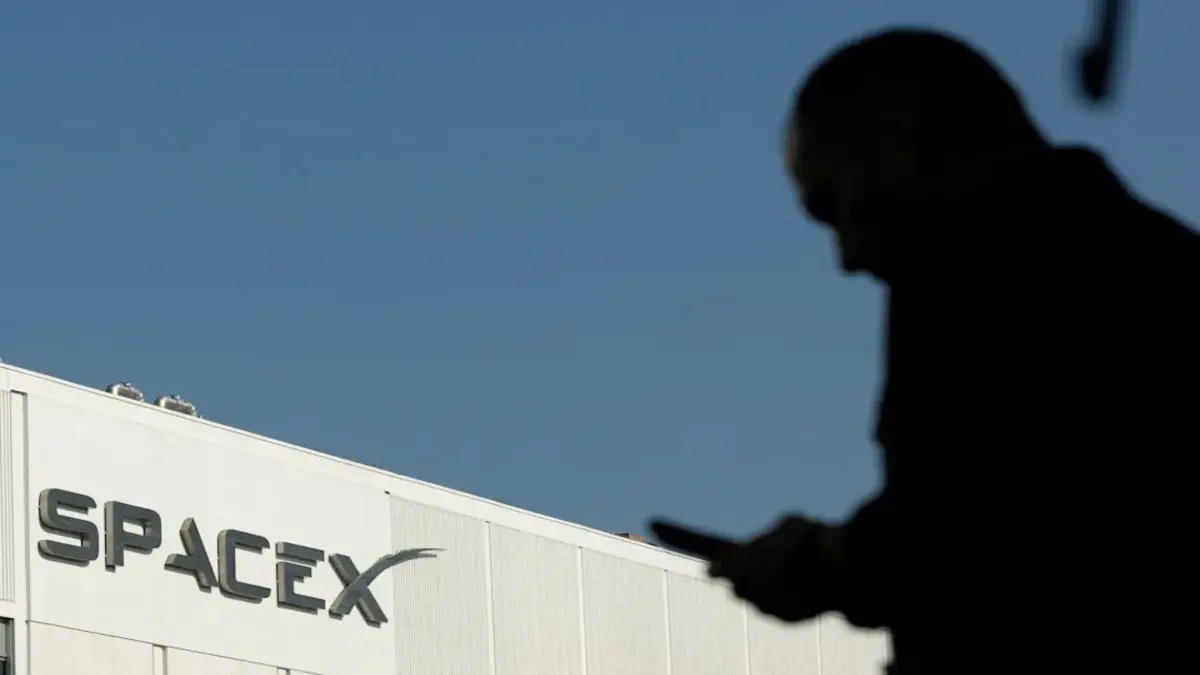
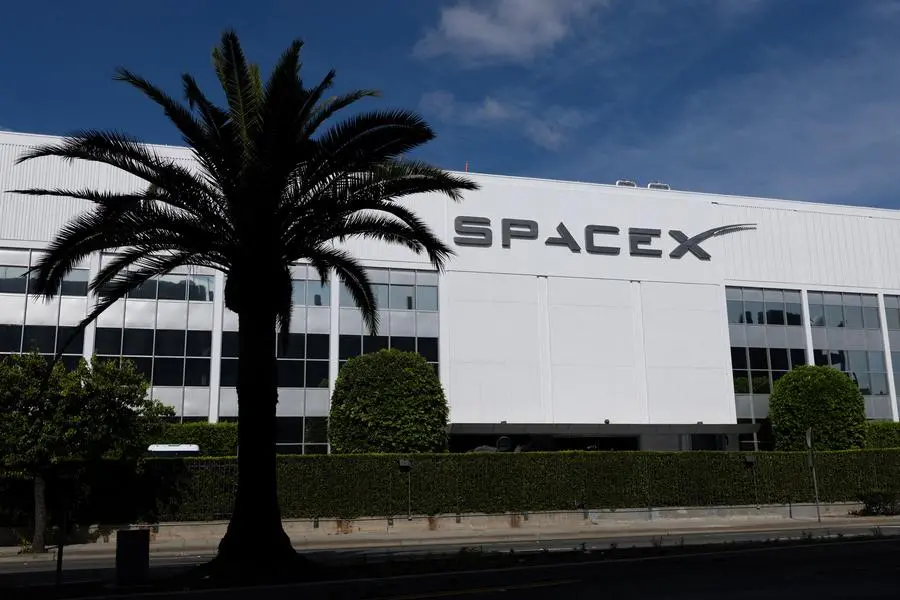
SpaceX designs, manufactures, and launches advanced rockets and spacecraft. The company was founded in 2002 by Elon Musk to revolutionize space technology, with the ultimate goal of enabling people to live on other planets.
Source: Zawya