
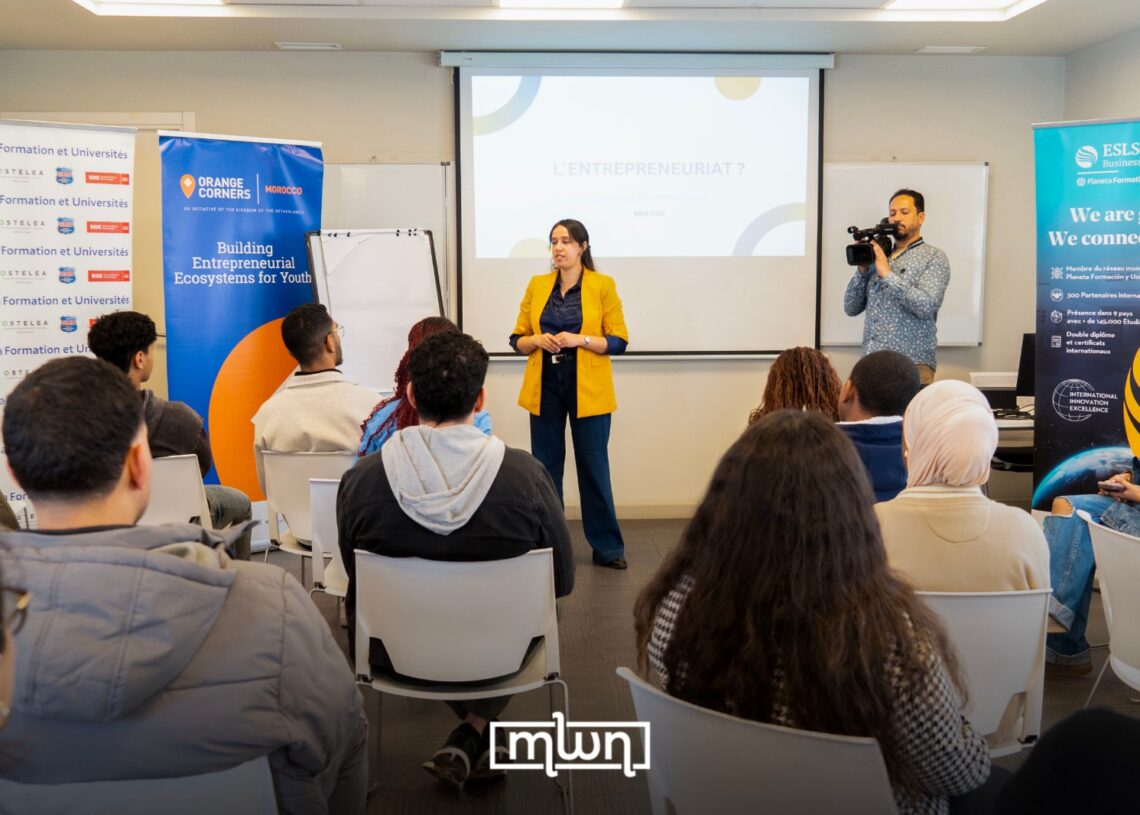



The first Arab-African Summit on Non-Profit Financing recently convened in Rabat, bringing together a diverse group of experts, non-profit leaders, and economic actors to reimagine funding for social projects. Organized with key support from EPIK Leaders and students from the National Institute of Statistics and Applied Economics (INSEA), the event aimed to forge stronger cooperation and develop sustainable financial models across Africa and the Arab world.
Beyond Traditional Philanthropy
Participants at the summit reached a consensus that while existing mechanisms like Corporate Social Responsibility (CSR), crowdfunding, and Islamic finance are valuable, their scope remains limited. The discussions highlighted an urgent need to move beyond traditional donations and grants towards more flexible and innovative models capable of addressing the complex social and environmental challenges of today.
A Blueprint for Hybrid Financing
Speakers outlined a shared vision for the future of non-profit financing, emphasizing the development of hybrid digital platforms. These platforms would integrate public funds, private impact investment, and direct citizen participation to create a more dynamic funding ecosystem.
The potential of Social Impact Bonds (SIBs) was a key topic, presenting a model where private investors can fund non-profit initiatives and receive returns based on measurable social outcomes. Additionally, the summit explored modernizing traditional mechanisms such as Zakat and Waqf through digital tools to enhance transparency and channel resources more effectively toward high-impact local projects.
Nizar Chaari, Founder of EPIK Leaders, noted the timeliness of the summit. “The real challenge for non-profit financing in our region is to create sustainable models that do not yet exist. This summit opens the door to innovative, digital and collaborative mechanisms that can mobilize not only financial resources but also expertise and local energy across Africa and the Arab world.”
Building Capacity for Sustainable Impact
The dialogue also underscored the importance of building capacity within non-profit organizations themselves. Experts called for greater support in financial management, governance, and impact reporting. Strengthening these core competencies is seen as essential for ensuring that resources are used efficiently and sustainably, thereby maximizing their social return.
The summit encouraged the creation of regional impact funds and stronger public-private partnerships to translate discussions into concrete social and environmental action on the ground.
In his closing remarks, Mahmoud Cherkaoui, President of EPIK Leaders, emphasized the need for tangible outcomes. “What motivates us is seeing real projects happen on the ground. By strengthening partnerships and modernizing existing financing tools, we help associations and communities move from ideas to action, delivering tangible results for local populations and measurable impact on local, national, and international development.”
About EPIK Leaders
EPIK Leaders is an organization dedicated to fostering leadership and collaboration to drive social and economic development across Africa and the Arab world. It aims to connect and empower actors from various sectors to create innovative, sustainable solutions for regional challenges.
Source: Morocco World News