



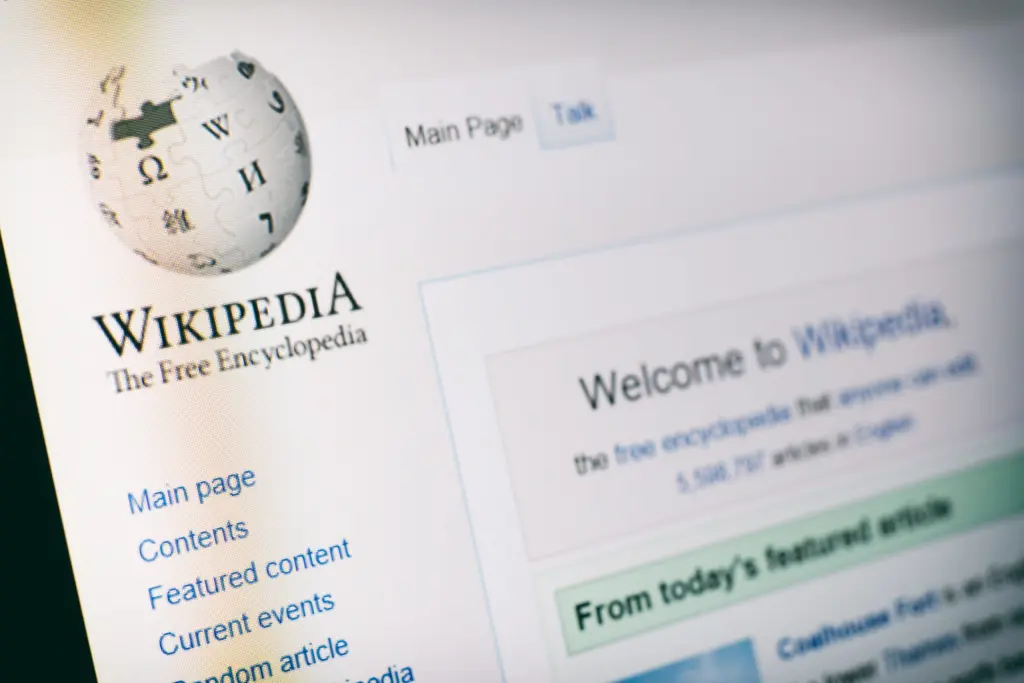
The Wikimedia Foundation, the non-profit organization that operates Wikipedia, has announced new and expanded partnerships with several major technology companies, including Microsoft, Meta, and Amazon. These agreements formalize the use of Wikipedia’s vast content library for training large-scale artificial intelligence models.
The move marks a significant step in the foundation’s strategy to monetize its data through its commercial arm, Wikimedia Enterprise. The deals also include AI startups Perplexity and France-based Mistral AI, building upon a similar arrangement established with Google in 2022.
A Strategic Shift To Monetization
For years, tech companies have scraped Wikipedia’s freely available knowledge base to train their AI systems. This high-volume activity has significantly increased server and operational costs for the non-profit, which has traditionally relied on public donations.
The new enterprise partnerships provide a structured and paid channel for tech firms to access Wikipedia’s content, ensuring a more sustainable financial model for the foundation. Lane Becker, a senior director at Wikimedia Enterprise, highlighted the necessity of this approach.
“Wikipedia is a critical component of these tech companies’ work that they need to figure out how to support financially,” Becker stated in an interview. “All our Big Tech partners really see the need for them to commit to sustaining Wikipedia’s work.”
The Value of Wikipedia’s Data
With over 65 million articles across more than 300 languages, Wikipedia represents one of the largest and most diverse multilingual datasets in the world. Its content, created and maintained by a global community of 250,000 volunteer editors, is a foundational resource for training generative AI tools like chatbots and virtual assistants.
The partnerships reflect a growing recognition of the value of high-quality, human-curated data in the AI era.
“Access to high‑quality, trustworthy information is at the heart of how we think about the future of AI at Microsoft,” said Tim Frank, Corporate Vice President at Microsoft. “With Wikimedia, we’re helping create a sustainable content ecosystem for the AI internet, where contributors are valued.”
Implications For The MENA Tech Ecosystem
While the partnerships involve global tech giants, this development carries significant implications for the burgeoning AI scene in the MENA region. It sets a powerful precedent for how valuable, large-scale content repositories—particularly those with unique Arabic and regional data—can be monetized.
MENA-based startups and companies developing their own LLMs, especially Arabic-native models, must now consider the increasing importance of licensing high-quality, verified data rather than relying solely on web scraping. This move by Wikipedia underscores the hidden costs associated with AI development and emphasizes that reliable training data is a premium asset, not a free commodity. This could open up new revenue streams for regional media houses, digital archives, and educational platforms holding valuable proprietary content.
About Wikimedia Foundation
The Wikimedia Foundation is the non-profit organization that operates Wikipedia and other free knowledge projects. Its mission is to empower and engage people around the world to collect and develop educational content under a free license or in the public domain, and to disseminate it effectively and globally. The foundation is funded primarily by donations from millions of individuals around the world.
Source: Tech in Asia