




Water scarcity remains one of the most pressing infrastructure threats across North Africa. To combat the degradation of freshwater supplies, a team of engineers at Capgemini has developed an AI-powered water-based drone designed to detect harmful algal blooms in Moroccan dams before they contaminate local drinking water.
Quick Facts
-
AI drone detects harmful reservoir algal blooms early.
-
System integrates spectrometry and satellite imagery prediction.
-
Project partners with Rabat’s Mohammed V University.
Tackling Contamination in Morocco’s Freshwater Dams
Morocco relies heavily on dams for storing and distributing freshwater to millions of citizens. However, rapid algae growth in these reservoirs frequently compromises water quality, triggers deoxygenation, and threatens local biodiversity. Historically, authorities relied on visual detection, a delayed method that often meant the water was already contaminated by the time utility managers could intervene.
Nawfal Majdoub, a senior quality manager at Capgemini, and Anas Ait Iflach, a project management engineer, recognized this critical gap. Supported by a specialized team of mechanical, electrical, and AI engineers, they began prototyping an autonomous drone capable of surface-level monitoring and early detection.
“Our goal is to develop a water-based drone with eco sensors and a remote alert system with integrated AI capabilities that can accurately detect blooms earlier,” Majdoub says. “That way, authorities can act to prevent contamination.”
The impact of delayed detection is severe for local municipalities.
“Algal blooms can create toxins and water deoxygenation that are harmful to other organisms in lakes and reservoirs,” Ait Iflach adds. “Closing a dam can affect millions of people’s water supply. Our solution will protect both people and ecosystems.”
Engineering Autonomous Spectrometry and Predictive Algorithms
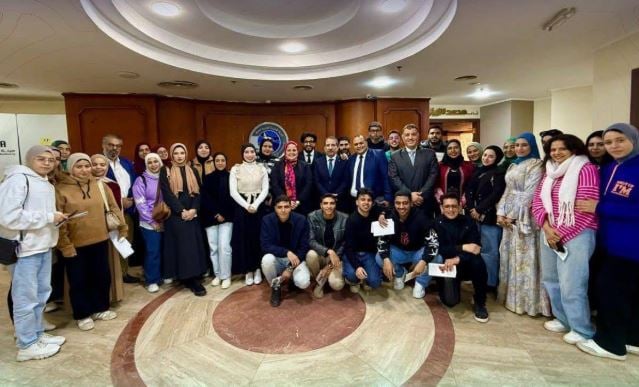
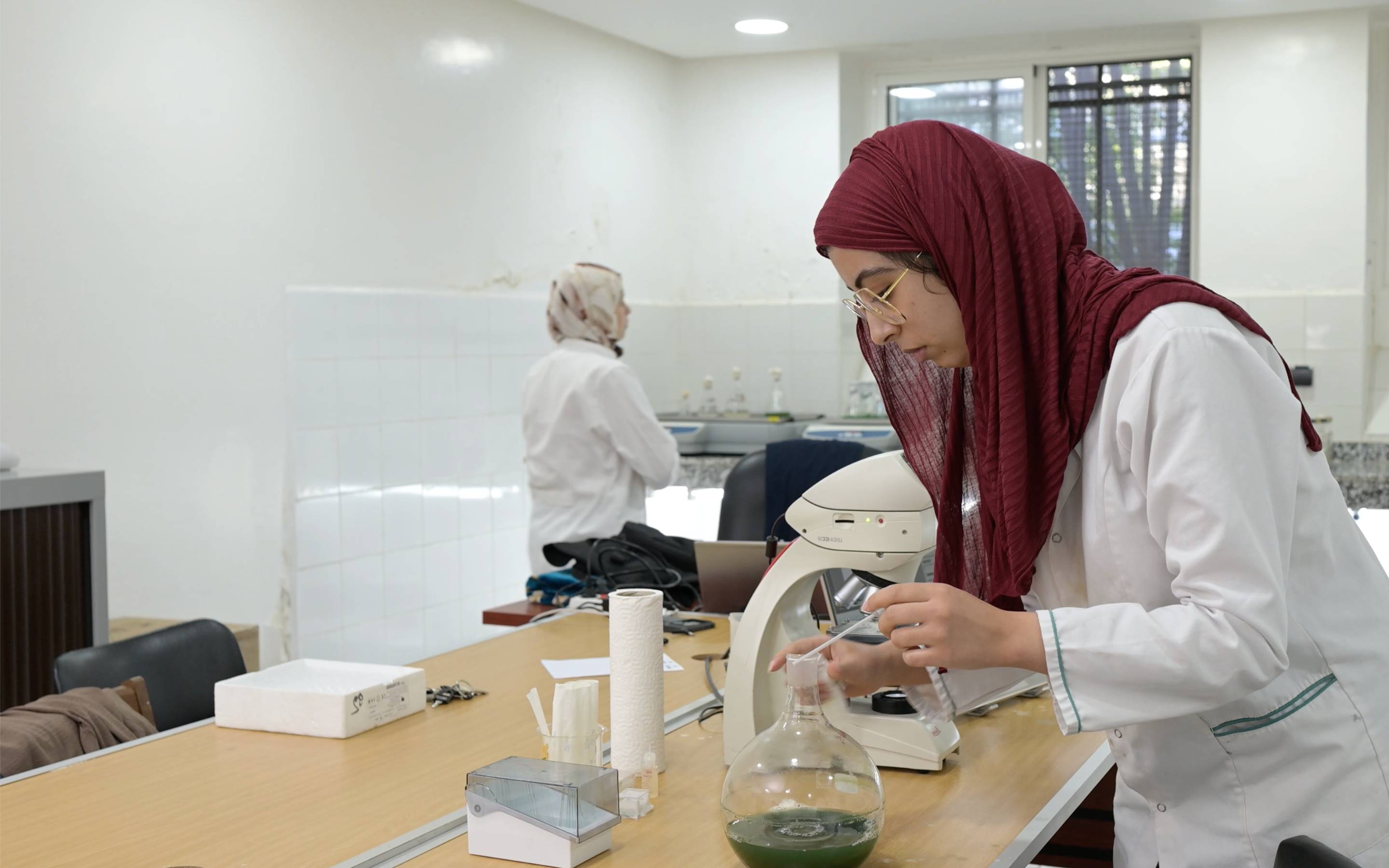
To bring the hardware to life, the engineering team partnered closely with Mohammed V University in Rabat and the Loukkos Hydraulic Basin Agency, ensuring the technology aligned with actual municipal water management requirements. After evaluating multiple detection frameworks, the researchers selected spectrometry—measuring the interaction between light and matter—as the optimal method for identifying toxic blooms.
The current prototype is slated for real-world testing at a dam in northern Morocco. The system analyzes water samples collected across all four seasons to account for various stages of algal growth throughout the year.
Simultaneously, the software team is training predictive AI models using satellite imagery. This dual hardware-software approach allows the system to not only detect existing surface blooms but forecast where future toxic formations are most likely to occur based on environmental factors.
“The potential here is inspiring,” Majdoub notes. “It could be used in lakes and other sources of water, and not only in Morocco but in other countries that are struggling with water scarcity.”
About Capgemini’s Tech4Positive Futures Challenge
The AI water drone initiative was established through Capgemini’s Tech4Positive Futures Challenge, an internal program encouraging employees to design technology solutions that address urgent environmental and social issues. By combining Capgemini’s digital and engineering expertise with the scientific research capabilities of Mohammed V University, the initiative aims to deploy scalable early detection systems to safeguard vulnerable water reservoirs across the region.
Source: Capgemini