




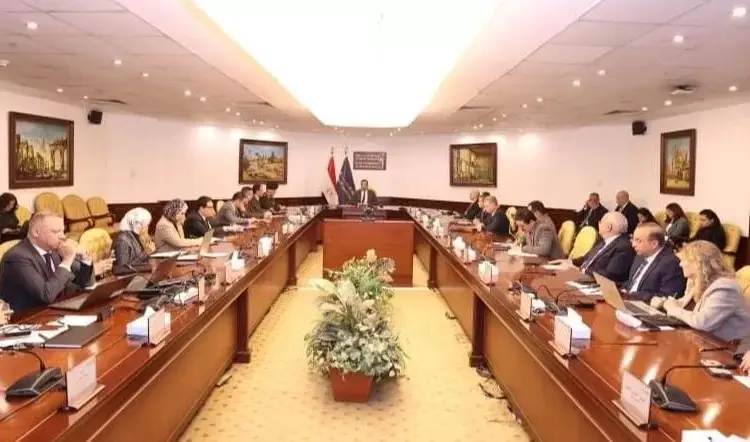

Egypt is advancing a strategic initiative to establish dedicated Technology Parks within its universities, a move praised as a significant leap forward for the nation’s innovation ecosystem. Championed by figures like Abeer Attallah, a member of the Parliamentary Committee on Education and Scientific Research, the plan signals a fundamental shift from traditional academic models to creating dynamic platforms for creativity, innovation, and knowledge production, under the guidance of the Egyptian Ministry of Higher Education and Scientific Research.
From Theory to Commercialization
The new policy aims to transform the role of universities from institutions focused solely on teaching and theoretical research into epicenters for technology generation and knowledge-based industries. According to Attallah, this initiative will finally unlock years of valuable scientific research that has remained dormant, providing a clear pathway to convert academic findings into practical products and applications that can directly benefit the national economy.
An Integrated Hub for Student-Led Startups
The creation of these technology parks is designed to foster an integrated environment that nurtures startups founded on the innovative ideas of students and academic researchers. By providing the essential scientific and technical infrastructure, the parks will help bridge the persistent gap between academic knowledge and the demands of the labor market. This supportive ecosystem will empower aspiring entrepreneurs to transform their innovations into viable economic projects.
Fostering Financial Sustainability and Global Partnerships
Beyond fostering innovation, the technology parks are expected to serve as a tool for localizing knowledge and attracting advanced technology to Egypt. This will be facilitated through international partnerships, such as the existing Egyptian-British collaborations, which enable the exchange of expertise and the application of cutting-edge industrial technologies in the local market.
Furthermore, this model is set to bolster the financial sustainability of universities. By commercializing patents and scientific innovations into commercial products and tech companies, educational institutions can generate new revenue streams, enhancing their ability to develop and expand without complete reliance on the national budget.
Building a Supporting Legislative Framework
Officials emphasize that the vision extends beyond constructing new buildings on campus. The core objective is to build a comprehensive legislative and regulatory framework that empowers researchers to become active partners in the production process. This includes providing robust legal protection for innovative ideas and creating clear mechanisms to convert scientific research into tangible economic value, ensuring the long-term success and impact of the initiative.
Source: Al-Nahar Egypt