
Egypt is deepening its historic economic partnership with Germany, highlighting significant national reforms and infrastructure development to attract further investment. During the recent Egyptian-German Business Forum, officials from both nations outlined a new phase of strategic cooperation, building on a foundation that already includes over 1,500 German companies operating in the country.
The forum, inaugurated by Egypt’s Minister of Investment and Foreign Trade, Hassan El-Khatib, comes as Egypt positions itself as a critical hub for global supply chains connecting Europe, Africa, and the Middle East, a vision supported by the country’s General Authority for Investment and Free Zones (GAFI).
A Historic Partnership
Minister El-Khatib emphasized that the economic relationship between Egypt and Germany is built on trust and tangible investment, with total German investments estimated at around $4.9 billion.
Bilateral trade between the two countries reached approximately $5.1 billion in 2025, facilitated by the Egypt–EU Association Agreement which provides preferential market access.
Building a Foundation for Growth
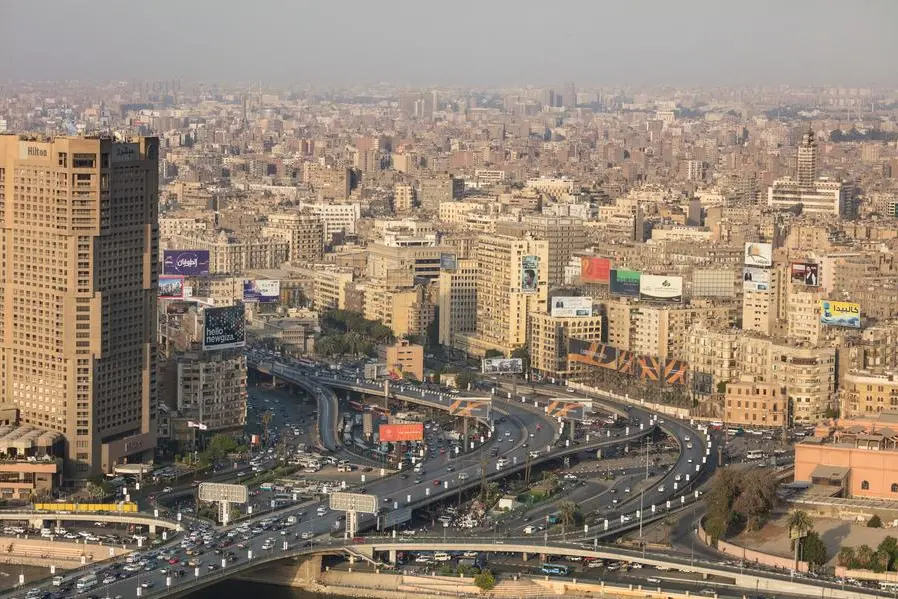
Egypt’s strategic appeal to German firms is bolstered by a decade-long infrastructure overhaul, with approximately $550 billion invested in modernizing roads, ports, logistics corridors, industrial zones, and new cities.
“Egypt’s unique strategic location, supported by modern infrastructure, enables it to connect Europe, Africa and the Middle East, allowing German companies to integrate into global supply chains, maintain competitiveness, and serve multiple markets from a single production base,” stated El-Khatib.
Driving Economic and Fiscal Reforms
The minister detailed a series of fundamental economic reforms designed to create a stable and predictable environment for industrial investment. Key achievements include a successful inflation-targeting policy that saw inflation drop from nearly 40% to around 12%, and foreign reserves exceeding $50 billion.
Fiscal reforms have also yielded positive results, with tax revenues increasing by 35% without imposing new burdens on companies. Efforts to improve the business environment include a 65% reduction in trade and logistics costs and the development of a digital platform to streamline over 460 permits and services for businesses. These measures contributed to Egypt recording its lowest trade deficit since 2010.
Germany Signals Strong Interest
Stefan Rouenhoff, Parliamentary State Secretary at Germany’s Federal Ministry for Economic Affairs and Energy, affirmed the growing interest from German companies in expanding their investments in Egypt.
Rouenhoff cited Egypt’s extensive infrastructure development and improved business climate as key drivers. He pointed to Siemens’ major projects in transport and energy as a successful model of industrial partnership and technology transfer.
“Egypt’s strategic location enhances its appeal as a regional hub for manufacturing and exports to Asian and African markets,” Rouenhoff added.
Future Sectors for Collaboration
Both nations identified strategic sectors ripe for deeper cooperation. These include the automotive industry, renewable energy, green hydrogen, and advanced technologies like electronics and semiconductors. Minister El-Khatib highlighted Egypt’s immense potential in solar and wind power, positioning it as a regional hub for green industrial production and low-carbon exports.
The next phase of Egyptian–German relations is set to focus on joint production, moving beyond traditional trade to create more integrated and strategic investment partnerships.
About the Egyptian-German Business Forum
The Egyptian-German Business Forum is a high-level event designed to strengthen economic and trade relations between Egypt and Germany. It brings together government officials, business leaders, and investors from both countries to explore new opportunities for cooperation, discuss improvements to the investment climate, and facilitate strategic partnerships in key industrial and technological sectors.
Source: Zawya