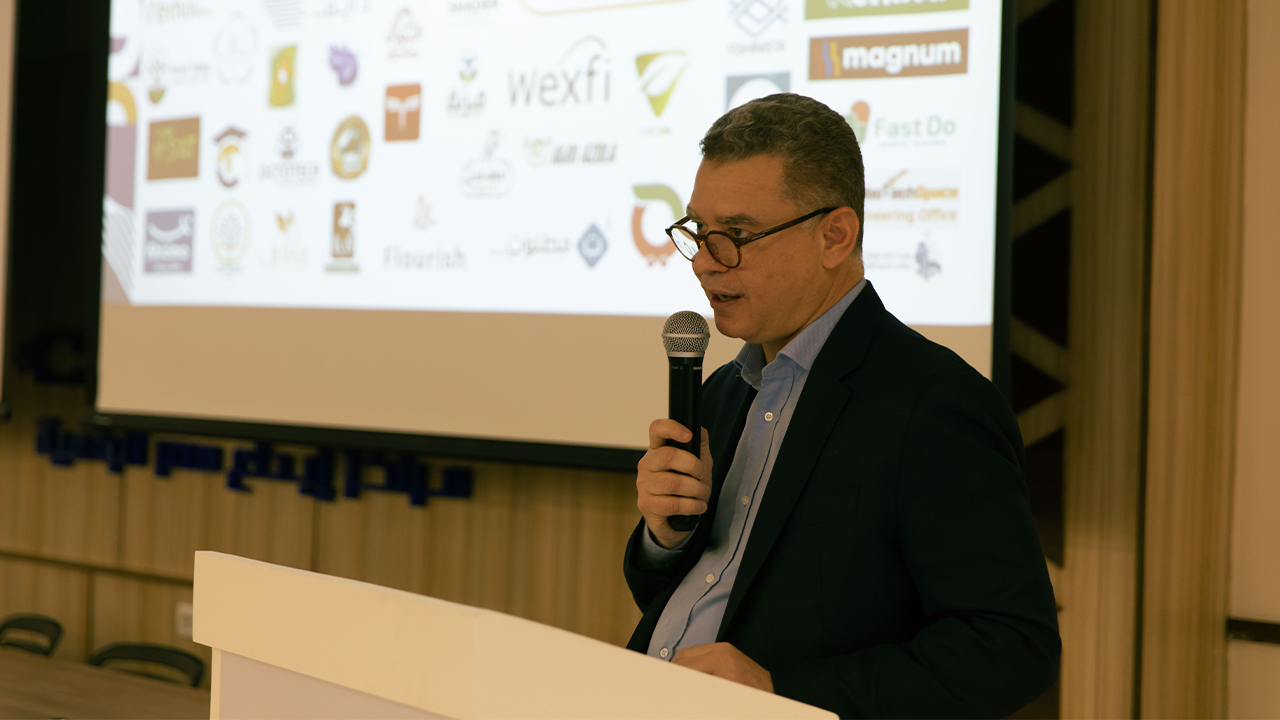



Academic institutions across the MENA region are increasingly stepping beyond traditional education to act as primary launchpads for early-stage founders. Driving this mandate in Egypt, the Innovation and Scientific Research Complex at Capital University recently hosted a specialized symposium titled “Innovation Economy and Transition to an Entrepreneur” to equip students and researchers with the practical frameworks needed to build viable startups.
Quick Facts
- Focuses on transitioning academic research into sustainable, market-ready startups.
- Aligns university initiatives with Egypt’s broader economic market needs.
- Awarded top student founders and national tech competition winners.
Transforming Universities Into Startup Incubators
The core message of the event centered on redefining the role of higher education in the modern economy. Dr. El-Sayed Qandil, President of the University, emphasized that academic institutions function as active accelerators and idea incubators rather than mere centers for knowledge transfer. He noted that directing investments toward young talent remains the most effective route to building an independent, production-based national economy.
Supporting this operational shift, Dr. Emad Abu El-Dahab, Vice President for Postgraduate Studies and Research, outlined how the university is actively modifying its support mechanisms for applied research. By linking academic output directly to market demand, the institution aims to generate tangible economic value and guide students toward high-yield commercial sectors.
Driving Egypt’s National Innovation Economy
The symposium featured a keynote address by Dr. Hossam Osman, Deputy Minister of Higher Education and Scientific Research for Innovation. Osman detailed the global transition toward an innovation-driven economy, framing entrepreneurship as an absolute necessity in today’s fast-moving market.
Discussions throughout the event provided a practical roadmap for aspiring founders. Key panels covered the fundamental mechanics of the innovation economy, actionable strategies to turn theoretical research into executable ventures, and the internal university tools available to support them, including dedicated business incubators.
Dr. Maysa Nabih, Director of the Innovation Complex, stated that the organization will continue to align its programming with global market variables. She confirmed that upcoming phases will feature new initiatives specifically designed to build practical entrepreneurial capacity among the student body.
Rewarding Outstanding Student Founders
The event concluded by recognizing active contributors to the university’s startup ecosystem. Among those honored was the winning team of DIGITOPIA, a major national tech competition launched by Egypt’s Ministry of Communications and Information Technology. The team, which secured first place in the Games and Digital Arts track, included Wedad Mohy, Rehab Fares, Dalia Alaa, and Mahmoud Nasser, operating under the sponsorship of Dr. Eman Abu Taleb, Director of the University’s Entrepreneurship Club.
The university also celebrated milestones achieved within its own incubator programs, directed by Dr. Ihab Abdel Raouf. Honorees included Dr. Nermine Hefny, founder of the bentonite startup CleoTech and an alumna of the BioCluster incubator, alongside Mohamed Sherif, head of the university’s Rally community.
Additionally, the “Space for Change” student team—comprising Ziad Hammam, Wessal Aladdin, Omar Mostafa, and Zeinab Ibrahim—was recognized for securing an EGP 50,000 prize from Plan International during the Egypt Entrepreneurship Rally, highlighting the tangible financial backing available to university-stage ventures.
About Capital University Innovation Complex
The Innovation and Scientific Research Complex at Capital University operates as a central hub for student and faculty founders in Egypt. The complex provides critical infrastructure, including business incubators and specialized training programs, to help academics commercialize their applied research and build sustainable ventures that address active market demands.
Source: Kashqol