



In a significant move to accelerate digital transformation, the Central Bank of Egypt has officially approved the use of contactless payment acceptance through smart devices, greenlighting the deployment of Software Point of Sale (Soft POS) applications. This decision marks a major leap forward in Egypt’s national strategy to foster a less cash-reliant society, enhance financial inclusion, and advance the goals of Egypt Vision 2030.
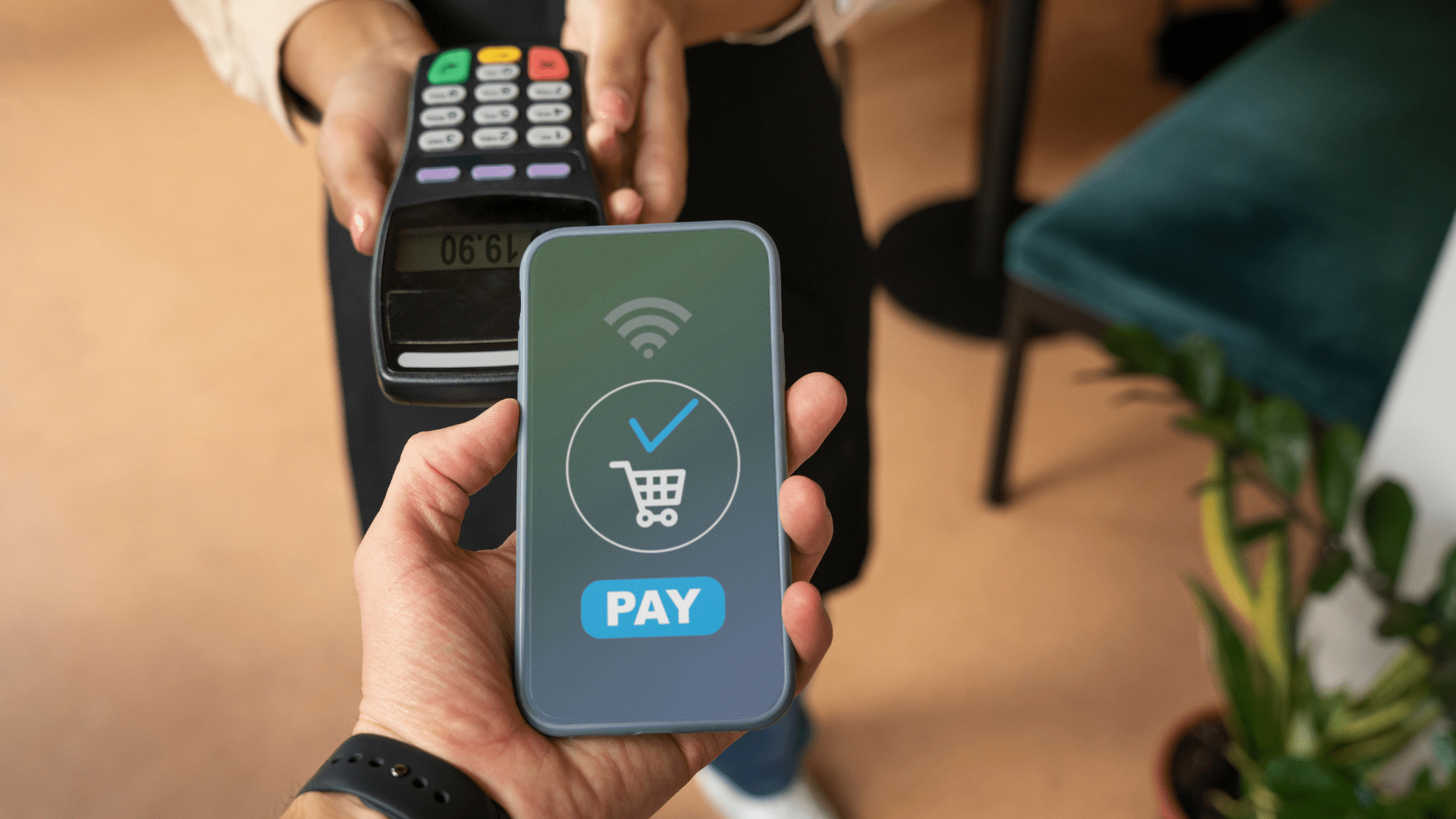
The introduction of Soft POS technology, which allows standard smartphones and tablets to function as secure payment terminals, is expected to have a profound impact on the country’s fintech ecosystem.
A Lower-Cost Alternative to Traditional Terminals
According to Dr. Hossam Abu El-Dahab, a consultant in Fintech and Financial Inclusion, the primary distinction between Soft POS and its traditional hardware counterpart lies in accessibility and cost. A conventional POS terminal can cost a merchant anywhere from $60 to over $100. While competition has led payment providers to often absorb this cost, it remains a significant capital expenditure for the industry.
Soft POS applications eliminate this hardware expense by embedding all necessary security controls and payment processing capabilities directly into a mobile app. This allows any modern smartphone to serve as a payment acceptance device, drastically lowering the barrier to entry for merchants across the country.
Expanding Digital Payments to the Underserved
The high cost of traditional POS devices has historically limited the reach of digital payments, particularly in remote regions and among micro-merchants. A large portion of transactions, especially outside of major urban centers, still relies on cash. Soft POS technology directly addresses this gap by providing a cost-effective solution for financial service providers.
This will enable fintech companies to serve segments previously excluded from the formal digital economy, including small business owners who could not afford to purchase or maintain a dedicated POS machine. By turning a device they already own into a payment tool, Soft POS is poised to bring countless new merchants into the digital payments fold.
Empowering a New Generation of Entrepreneurs
The new technology is also expected to resonate strongly with Egypt’s youth and burgeoning freelance economy. By offering a simple, low-cost way to accept digital payments, Soft POS empowers independent workers, online sellers, and startups to professionalize their operations and streamline transactions. This will likely spur strong competition among fintech players to deliver the most user-friendly and feature-rich applications, further benefiting end-users.
Furthermore, the shift to digital transactions facilitated by Soft POS will improve tax compliance and reduce the environmental and financial costs associated with printing paper receipts.
Navigating Implementation Challenges
While the transition presents immense opportunities, it is not without challenges. Dr. Abu El-Dahab notes that sectors requiring printed invoices may need to adopt low-cost portable printers or integrate with digital invoicing solutions via platforms like WhatsApp.
However, these modest costs are offset by significant savings. Companies will no longer need to budget for the maintenance, repair, battery replacement, and foreign currency import costs associated with a large fleet of physical POS devices.
A Catalyst for Broad Economic Growth
The overall economic impact of this decision is projected to be substantial. By formalizing a larger segment of the economy, the state benefits from better tax oversight and reduced costs of printing and managing physical currency. The platform also enables a host of value-added services, allowing users to pay utility bills or loan installments directly at the point of sale.
This digital shift will create a ripple effect across the economy, boosting internet usage for telecom companies and potentially increasing demand for locally manufactured smartphones. Ultimately, the entire ecosystem—from fintech startups to established corporations—stands to gain from a more inclusive and efficient digital payment infrastructure.
About The Central Bank of Egypt
The Central Bank of Egypt (CBE) is the central bank and monetary authority of the Arab Republic of Egypt. Its mandate includes issuing banknotes, formulating and implementing banking, monetary and credit policies, managing the country’s foreign currency reserves, and regulating the banking sector to ensure the stability of the Egyptian financial system.
Source: Egypt Innovate