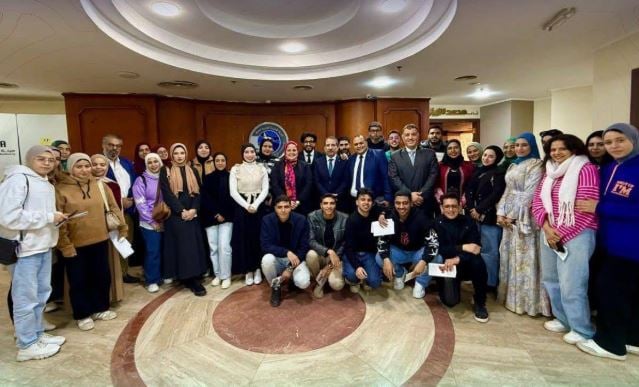

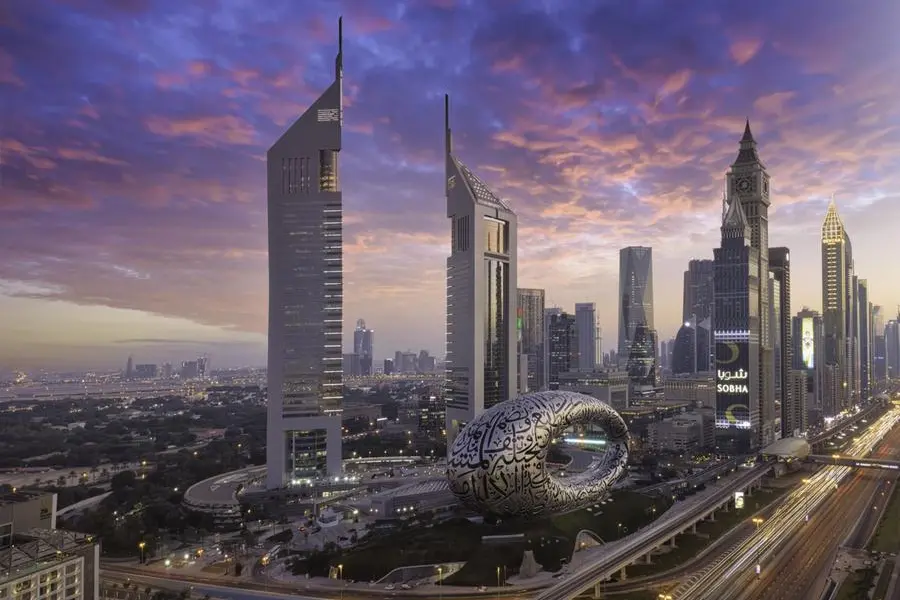
Amid shifting macroeconomic conditions and regional volatility, international business leaders operating under the Dubai Chamber of Commerce have underscored the emirate’s deep-rooted institutional readiness as a core driver for sustained foreign investment.
Representatives from multiple bilateral business councils cited Dubai’s diversified economic model, proactive policy frameworks, and robust public-private coordination as critical factors shielding the local market from external shocks.
Quick Facts
-
Dubai maintains high investor trust amid global economic shifts.
-
DIFC sees continued high-value acquisitions and foreign capital inflows.
-
Public-private synergy directly supports the emirate’s economic agility.
Driving Global Capital and Investment in DIFC
The resilience of Dubai’s macroeconomic fundamentals continues to translate into tangible capital deployment.
Siddharth Balachandran, Chairman of the Indian Business & Professional Council (IBPC) in Dubai, highlighted that his DIFC-based investment firm recently executed a high-value stake acquisition in a local banking institution.
Balachandran attributed this aggressive investment strategy to the overarching security provided by the emirate’s regulatory environment. He noted that Dubai excels not just in formulating policies, but in the rigorous execution and monitoring of these frameworks on the ground.
This sentiment is echoed across European trade corridors. Kanat Kutluk, Chairman of the Turkish Business Council, pointed to the ongoing expansion of cross-border partnerships between the UAE and Türkiye.
Kutluk noted that Dubai’s world-class infrastructure and strategic policies allow the private sector to operate with long-term certainty, transforming international challenges into growth opportunities.
Navigating Volatility Through Public-Private Synergy
A recurring theme among international trade representatives is the Dubai government’s transparent communication strategy during periods of uncertainty.
Katy Keenan, CEO of the British Chamber of Commerce Dubai, indicated that clear stakeholder engagement—such as the Business Continuity Survey—creates a vital feedback loop.
Keenan observed that Dubai successfully internalized lessons from the Covid-19 pandemic, applying rapid engagement tactics to manage current regional instability. She stressed that sustaining growth momentum requires consistent foreign direct investment and continued infrastructure development, both of which are actively supported by Dubai’s established trade relationships.
Peggy Scherpenberg, Chairwoman of the Belgian Business Council, corroborated this operational stability. She highlighted that core sectors such as trade, logistics, finance, and advanced manufacturing maintain continuity even during difficult periods.
Scherpenberg pointed to the rapid operational recovery of local aviation and logistics sectors during recent disruptions as an indicator of the city’s adaptive capacity.
Sustaining Long-Term Economic Momentum
Representatives from Asian and European business councils further emphasized that Dubai has transitioned from a regional commercial center to a premier global hub for talent and capital.
Werner Baumgartner, Chairman of the Austrian Business Council, noted that constructive engagement with the Ministry of Foreign Trade and local chambers ensures the emirate remains highly responsive to global shifts.
For emerging market partners, this agility is crucial for supply chain continuity. Evangeline Monjardin, Chairwoman of the Philippine Business Council, highlighted that sectors like food retail, construction, and logistics have optimized their operations by expanding virtual solutions and strengthening delivery networks in response to trade route fluctuations.
Leaders from the Malaysian, Sri Lankan, Pakistani, and Kuwaiti business councils universally agreed that Dubai’s proactive approach mitigates logistical risks.
By prioritizing infrastructure upgrades and maintaining an open dialogue with private enterprises, the government ensures that businesses can anticipate market risks, adapt their strategies, and continue driving economic expansion across the MENA region.
About Dubai Chamber of Commerce
The Dubai Chamber of Commerce serves as the principal engine of the emirate’s economic development, dedicated to empowering the local business community and attracting foreign investment. By facilitating public-private dialogue and supporting numerous international business councils, the Chamber plays a critical role in shaping business-friendly policies and ensuring the long-term competitiveness of Dubai’s global trade ecosystem.
Source: Zawya