




Microsoft has announced a significant collaboration with SpaceX’s Starlink satellite internet service, aiming to expand digital connectivity to communities across the globe. The partnership signals a strategic move to leverage low-Earth orbit (LEO) satellite technology to bridge the digital divide in underserved regions.
The announcement is particularly noteworthy given the ongoing legal disputes between SpaceX CEO Elon Musk and Microsoft-backed AI research lab, OpenAI. It demonstrates a pragmatic approach by both tech giants to collaborate on initiatives with substantial global impact, despite other corporate tensions.
A Synergistic Approach to Connectivity
The initiative combines Starlink’s advanced LEO satellite network with Microsoft’s expertise in community-based deployment models and local ecosystem partnerships. This hybrid approach is designed to create sustainable and accessible internet solutions, particularly in areas where traditional terrestrial infrastructure is lacking.
In a blog post, Microsoft’s Chief Sustainability Officer, Melanie Nakagawa, highlighted the goal of the collaboration. “Through our collaboration with Starlink, Microsoft is combining low-Earth orbit satellite connectivity with community-based deployment models and local ecosystem partnerships,” she stated.
Kenya Pilot Project
The partnership is already being put into action with a project in Kenya. In collaboration with a local internet service provider, Microsoft and Starlink are working to connect 450 community hubs throughout the country. This effort is part of Microsoft’s broader Airband Initiative, which has already extended internet access to over 299 million people since setting a goal in 2022 to reach 250 million by the end of 2025.
Implications for the MENA Region
While the initial project focuses on Kenya, the implications for the MENA region are significant. Reliable, high-speed satellite internet could be a transformative force for remote and rural communities across North Africa and the Levant, areas often underserved by traditional broadband.
For the region’s burgeoning tech ecosystems, ubiquitous connectivity can lower barriers for entrepreneurs, enable remote workforces, and accelerate the adoption of cloud-based services and digital education platforms. This aligns with national digital transformation agendas, such as Saudi Vision 2030 and the UAE’s digital economy strategy, by providing the foundational infrastructure needed to foster innovation and economic growth beyond major urban centers.
About Microsoft and SpaceX
Microsoft is a global technology corporation that produces computer software, consumer electronics, personal computers, and related services. Its mission is to empower every person and every organization on the planet to achieve more.
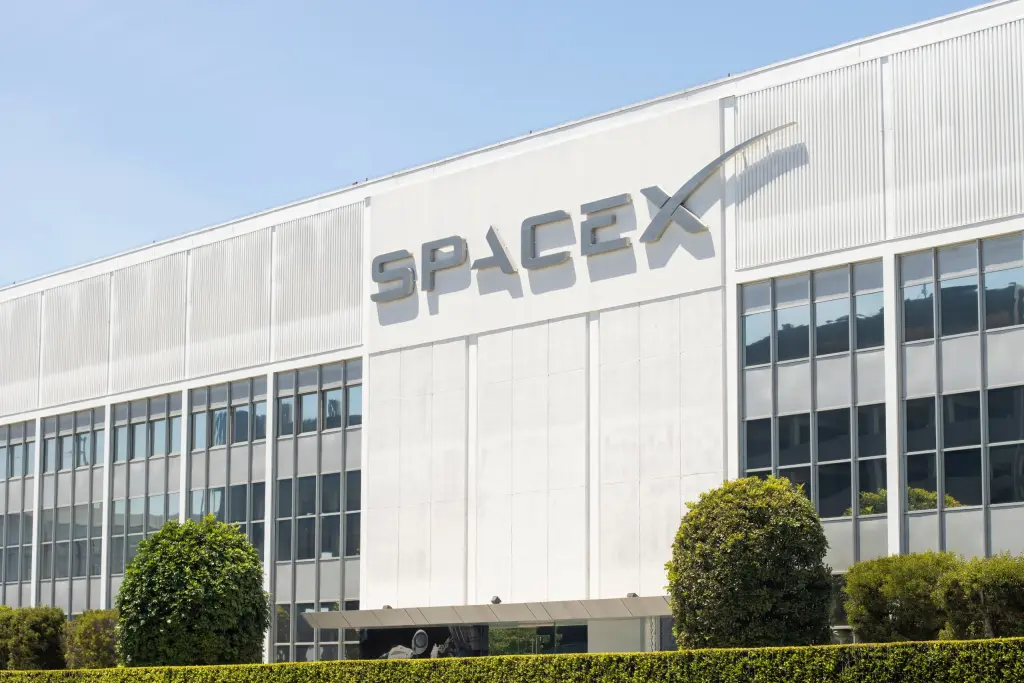
SpaceX, founded by Elon Musk, designs, manufactures, and launches advanced rockets and spacecraft. The company developed the Starlink constellation to provide high-speed, low-latency broadband internet in remote and rural locations globally.
Source: Tech in Asia