





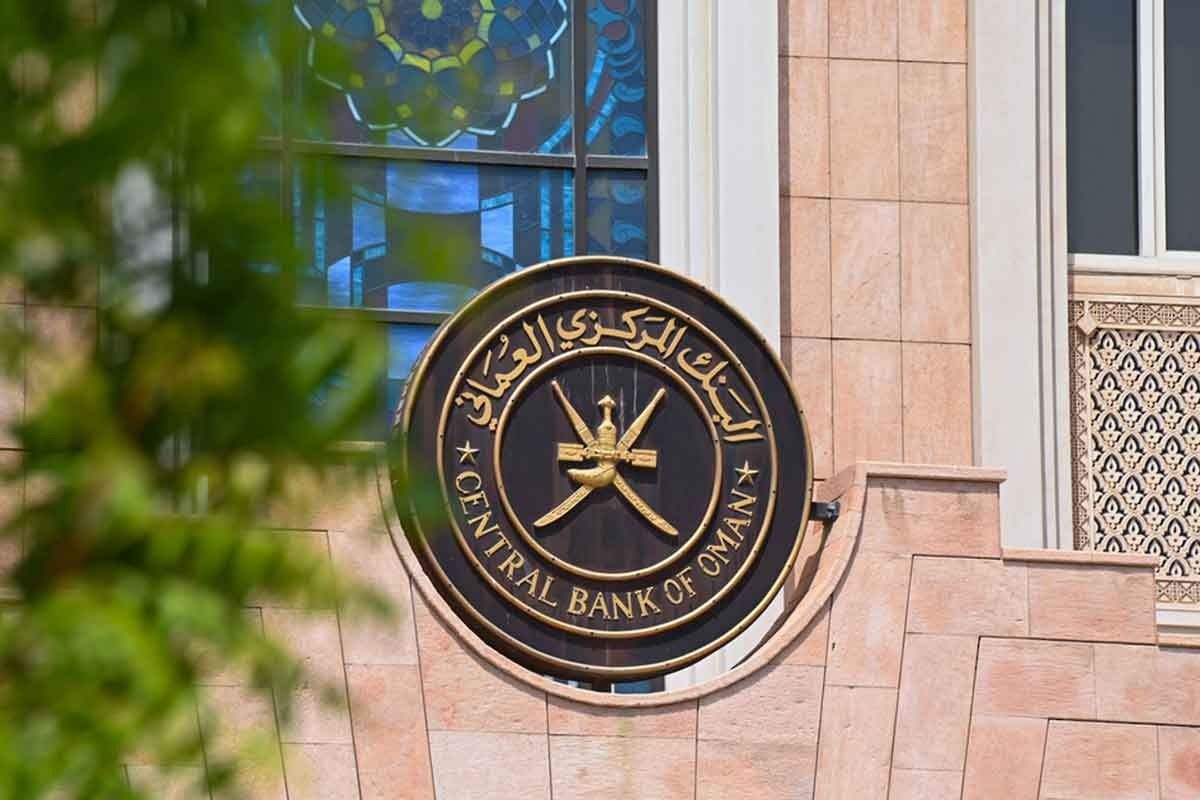
The Central Bank of Oman (CBO) has officially introduced a new regulatory framework to govern the provision of Buy Now, Pay Later (BNPL) services, bringing formal oversight to one of the fastest-growing segments of the Sultanate’s fintech landscape. This move marks a pivotal step in maturing the digital finance ecosystem by enhancing consumer protection and ensuring market stability.
The new regulations are designed to provide a clear operational roadmap for BNPL providers, who have seen rapid adoption across Oman’s retail and e-commerce sectors. By formalizing the rules of engagement, the CBO aims to foster a secure and transparent environment for both consumers and the fintech companies driving this innovation.
Balancing Innovation With Financial Stability
At the core of the new framework is the CBO’s objective to strike a balance between encouraging financial innovation and upholding prudent regulatory safeguards. The regulation aims to protect consumers from potential debt risks while enhancing the transparency of the BNPL model, which allows customers to split purchases into interest-free instalments.
For fintech startups and BNPL providers in the region, this structured supervision provides clarity and legitimacy, which can attract further investment and foster greater consumer trust. The CBO’s proactive stance is expected to align the burgeoning sector with the country’s broader financial inclusion and economic development goals.
A Framework for a Fast-Growing Sector
As digital lending and deferred payment solutions gain significant traction, the CBO’s framework is set to introduce clear licensing requirements, operational standards, and robust risk management guidelines for all BNPL providers operating in Oman.
This structured approach ensures that all market participants adhere to a unified standard of practice, promoting fair competition and safeguarding the integrity of the financial system. The guidelines will likely cover everything from customer onboarding and credit assessment to data protection and dispute resolution, creating a more resilient and reliable BNPL market.
About Central Bank of Oman
The Central Bank of Oman was established in December 1974 and began its operations on April 1, 1975. It is responsible for maintaining the stability of the national currency, the Omani Rial, and ensuring monetary and financial stability in a deregulated and open financial system. The CBO plays a vital role in promoting the Sultanate’s economic growth and development through sound monetary policy and the regulation of the banking and financial sector.
Source: MEA TechWatch