



Telecommunications provider Orange Middle East & Africa has partnered with Huawei to roll out artificial intelligence-powered solar base stations, aiming to solve persistent connectivity gaps in remote and underserved regions. Unveiled at Mobile World Congress 2026, the “AI Solar” solution addresses the dual challenges of unreliable power infrastructure and harsh environmental conditions that often hinder network expansion in emerging markets.
Quick Facts
-
Reduced outages by up to 50% in Côte d’Ivoire.
-
Orange operates nearly 1,200 rural sites across the region.
-
Serves 170 million customers across 18 different countries.
Overcoming Power Constraints With AI-Driven Solar Infrastructure
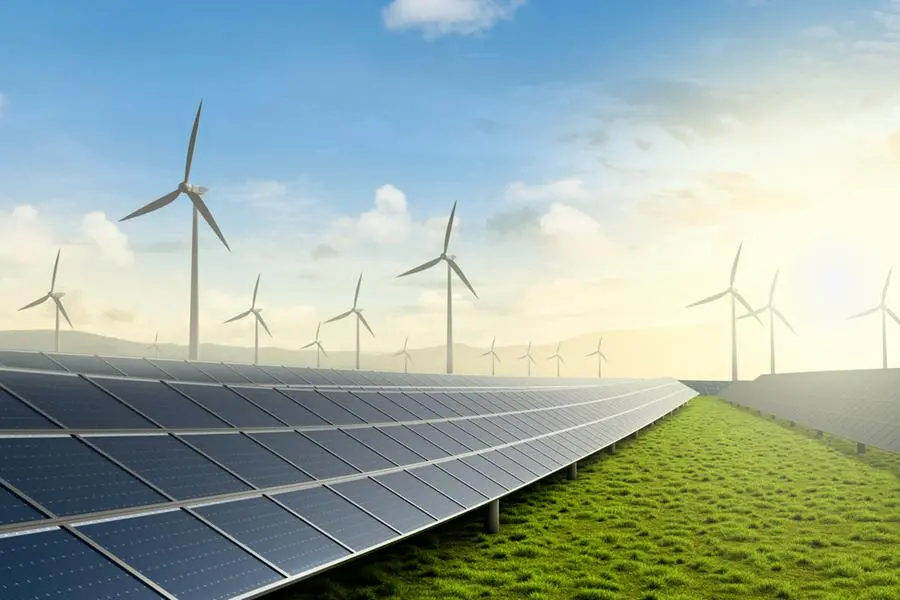
Maintaining stable power for remote telecom sites remains a significant operational hurdle. To tackle this, the newly introduced AI Solar system merges traditional solar energy infrastructure with advanced machine learning algorithms for forecasting and energy management.
The platform continuously analyzes local weather patterns and real-time network demand to optimize energy consumption. During periods of low solar generation, the system ensures continuous service by dynamically scaling its operations.
When stored energy becomes limited, the AI automatically powers down non-essential equipment. This preserves core network functionality and keeps communities connected during critical times.
This intelligent energy allocation has already proven effective in active deployments. In Côte d’Ivoire, the approach reduced network outages by 45% to 50% without requiring any additional capital expenditure on battery storage systems.
Expanding Artificial Intelligence Across the Orange Ecosystem
The integration of machine learning into physical base stations improves operational efficiency while lowering overall costs, making previously unviable rural connectivity projects commercially sustainable. However, the telecom operator’s ambitions extend beyond physical network hardware.
Orange plans to implement AI across its broader service ecosystem. This includes bringing intelligent automation to network operations, enhancing customer experience protocols, and upgrading digital platforms like its Max It super app.
The overarching objective is to move beyond basic connectivity and drive meaningful digital participation. By ensuring stable networks, Orange aims to support digital inclusion across vital sectors such as mobile finance, agriculture, and manufacturing.
Implications for Middle East and North Africa Telecom Markets
While the initial deployment highlights successes in Sub-Saharan Africa, the technology holds clear relevance for the wider Middle East and North Africa (MENA) region. Telecom operators across MENA frequently face similar challenges in deploying infrastructure across remote off-grid communities and harsh desert environments.
Orange Middle East & Africa views AI-driven energy management as a core enabler for regional expansion. By proving the commercial viability of these autonomous solar sites, the company provides a blueprint for founders, investors, and telecom operators looking to scale digital infrastructure efficiently across both continents.
About Orange Middle East & Africa
Orange Middle East & Africa is a major telecommunications operator providing mobile, internet, and digital services to over 170 million customers across 18 countries. The company focuses on expanding digital inclusion and deploying sustainable infrastructure to connect underserved populations.
Source: MEA Tech Watch