
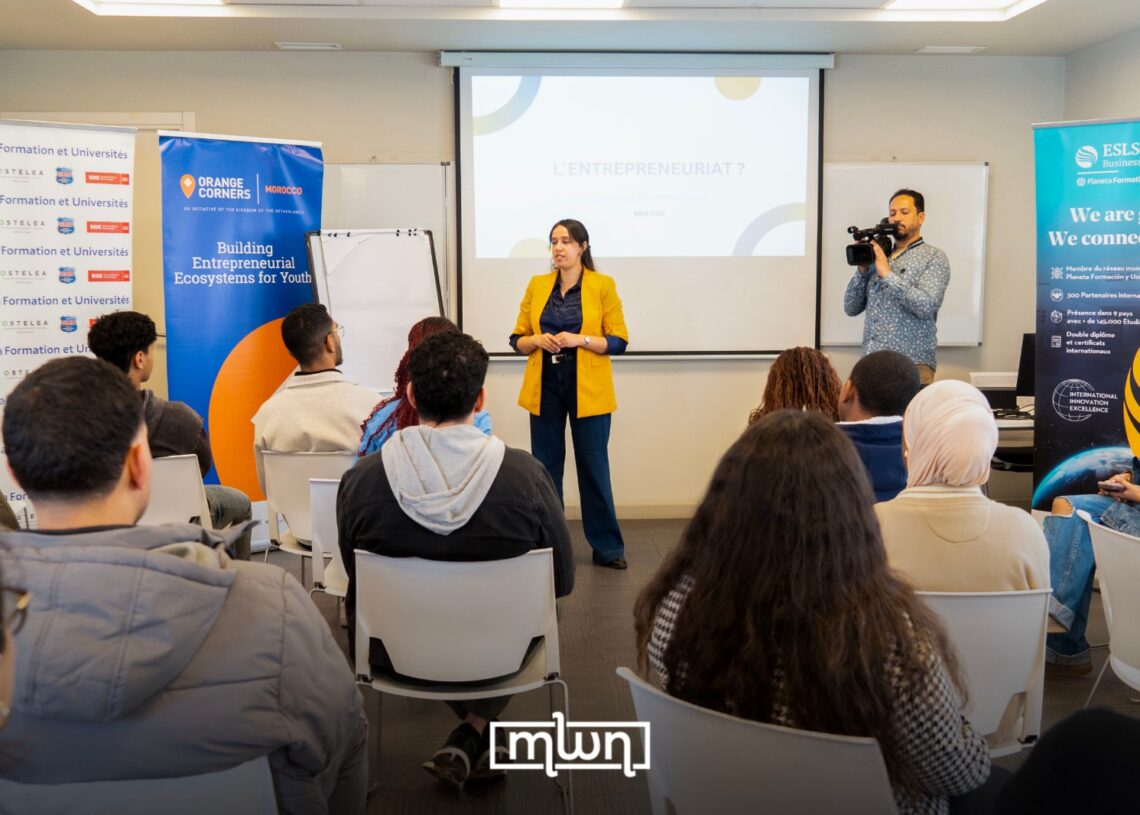



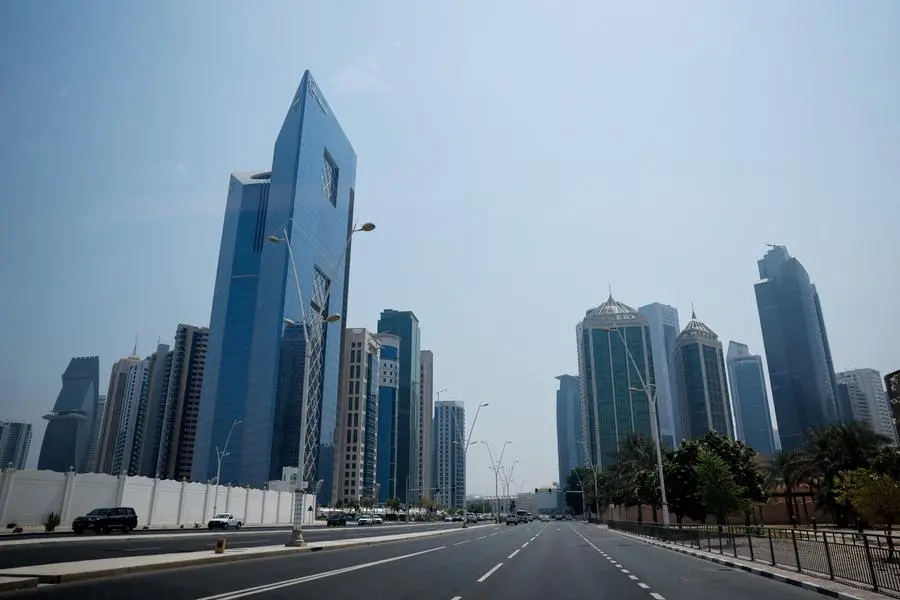
The successful hosting of the Mobile World Congress (MWC) 2025 in Doha showcases Qatar’s leading position in digital innovation. The event served as a critical platform for global experts to exchange perspectives on artificial intelligence, smart economies, and connected industries, all of which align with the region’s ambitious development goals.
Speaking at the event, representatives from the GSMA, the global organization representing mobile network operators, emphasized the strategic importance of Qatar as a hub for technological advancement.
A Strategic Hub For Global Tech Dialogue
Louis Powell, AI Initiatives, Engagement and Technical Lead at GSMA, highlighted how hosting MWC puts a spotlight on the latest breakthroughs in mobile technology and smart connectivity.
“I think these events really highlight the development and the importance of technology and Qatar leading the way,” Powell stated. “They give us a focal point to focus our energies to showcase the great work that’s happening, and to act as milestones for us to get through now to 2030. It’s a very important signal to the market that Qatar is leading that activity and then encouraging other countries to follow.”
Powell also noted the GSMA’s excitement about growing its presence in the Middle East, particularly through its engaged relationships with Qatari operators Ooredoo and Vodafone.
Advancing Telco AI With Regional Partnerships
A key announcement during MWC Doha was a strategic cooperation agreement between the GSMA and Khalifa University of Science and Technology. This partnership aims to advance research and innovation specifically for AI applications in the telecommunications sector.
“We have launched a partnership to help work with them on how do we make AI work better for telecoms,” Powell explained. “This is an evaluation of models and to ensure that models work for telecom-specific use cases.”
As part of the collaboration, the partners are releasing an open-source model called TelecomGPT and a knowledge graph derived from key 3GPP documentation to help developers improve AI model performance.
From 5G Advanced To AI-Native 6G
The conversation at MWC also looked toward the future of connectivity. Powell described the current 5G era as one focused on embedding AI into the network to enhance performance and customer experience.
Looking ahead to 6G, the vision shifts significantly. “In 6G, we really see AI as being native to the generation,” he said. “We will focus from moving away from just models, but into genetic workflows and assuring that not only do we use AI to improve how the networks deploy, but also with the huge new rise of AI applications, device types, making sure that our networks work effectively to that disruption that will happen.”
A Platform For Policy And Progress
Michaela Angonius, Head of Policy and Regulation at GSMA, praised Qatar’s role as a host, calling it a timely and ideal location for the global congress.
“What we see here is amazing. It’s a country that is highly connected; it is digitalised wherever you go,” Angonius commented. “Qatar is showcasing itself as a platform for digital innovation and having MWC here is so timely and it couldn’t have picked a better place.”
Angonius also touched on important global policy priorities, including the GSMA’s focus on child online protection. “Our focus on online safety is making sure that we have youth participants at the table. We need to listen to them to understand what is it they need for digital well-being,” she said.
About GSMA
The GSMA is a global organization unifying the mobile ecosystem to discover, develop, and deliver innovation foundational to positive business environments and societal change. Its vision is to unlock the full power of connectivity so that people, industry, and society thrive. The GSMA represents mobile operators and organizations across the mobile ecosystem and adjacent industries.
Source: Zawya