

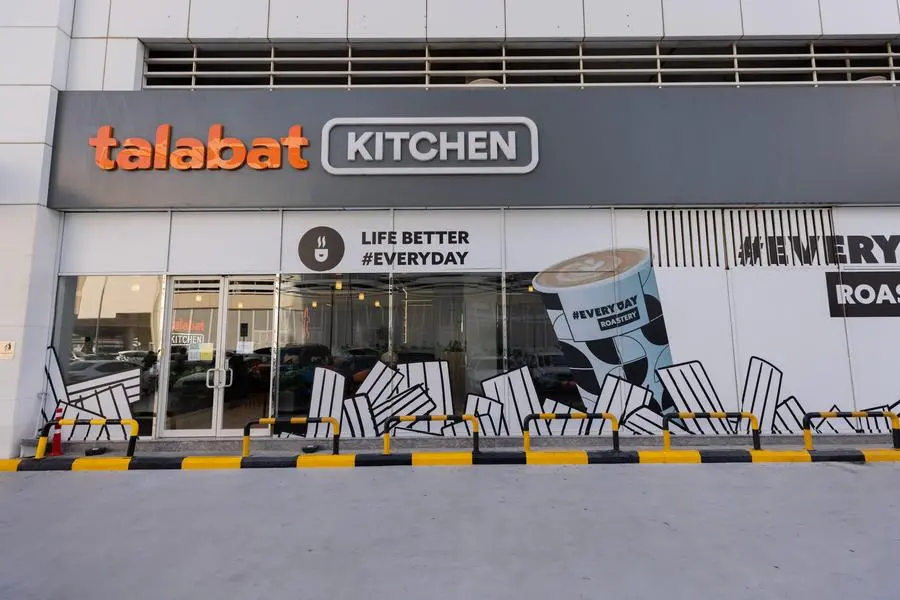




Qatar’s retail sector is witnessing a fascinating intersection of modern digital adoption and deeply rooted cultural traditions. As the festive Eid season drives consumer spending, the country’s e-commerce market is experiencing accelerated growth fueled by mobile applications, rapid delivery services, and targeted digital promotions. Yet, rather than replacing physical retail, digital platforms are creating a unique hybrid retail environment where convenience and in-person experiences coexist.
Quick Facts
-
E-commerce market expected to reach $4.96 billion in 2026.
-
B2C segment commanded 77.39% market share in 2025.
-
B2B transactions projected to grow at 10.37% CAGR.
The Blended Reality of Qatari Retail
While digital platforms capture convenience-driven purchases, physical retail anchors the cultural shopping experience. Analysts note that consumers increasingly rely on apps for repeat purchases and smaller-ticket items. However, major physical destinations like Villaggio Mall and Mall of Qatar report robust foot traffic as families treat festive shopping as a social event rather than a simple transaction.
“E-commerce is definitely expanding during Eid, particularly for convenience-driven purchases,” noted Tariq Abdul, a retail analyst based in Doha. “Consumers are using apps for speed and ease, especially for repeat or smaller-ticket items, but it has not entirely replaced the mall experience.”
B2C Dominance and the B2B Growth Engine
The financial trajectory of Qatar’s digital retail ecosystem shows sustained upward momentum. Data from research firm Mordor Intelligence projects the national e-commerce market will expand to $4.96 billion this year, climbing from $4.54 billion in 2025. Looking further ahead, the sector is on track to hit $7.75 billion by 2031, representing a compound annual growth rate (CAGR) of 9.34%.
The business-to-consumer (B2C) model continues to anchor the sector, accounting for a massive 77.39% of total market activity in 2025. Meanwhile, the business-to-business (B2B) segment is emerging as a critical growth vector. Driven by the digitization of supply chains and corporate procurement processes, B2B transactions are expected to scale at a CAGR of 10.37% through 2031.
Omnichannel Strategies Take Center Stage
To capture both the digital-first buyer and the traditional mall-goer, retailers are deploying hybrid strategies. Brands are actively blending online promotions with in-store experiences, introducing click-and-collect services, offering exclusive app discounts, and hosting in-mall events to maximize consumer engagement across all channels.
Consumers reflect this dual preference. Doha resident Aleena Ibrahim explained the practical approach many shoppers take: “I use apps for quick gifts or when I don’t have time, especially close to Eid. But for clothes and special items, I still prefer going to the mall with family as part of the celebration.”
This behavior indicates that neither channel will achieve absolute dominance in the near term. Instead, retailers succeeding in Qatar will be those who optimize for a blended consumer journey, matching digital speed with physical retail environments.
About Qatar’s E-Commerce Sector
Qatar’s digital economy is rapidly expanding, supported by high internet penetration, robust digital payment infrastructure, and a tech-savvy population. The retail ecosystem is uniquely characterized by strong purchasing power and a balanced consumer preference for both advanced digital convenience and premium physical shopping experiences.
Source: Zawya