


Saudi Arabia’s entertainment sector is undergoing a monumental transformation, driven by the Kingdom’s Vision 2030 strategy. The market, which reached USD 2.65 billion in 2025, is on a rapid growth trajectory, with projections indicating it will hit USD 5.36 billion by 2031. This expansion is powered by significant public and private investments, a young, tech-savvy population, and marquee events like the Joy Awards.
Vision 2030 Ignites Market Transformation
At the heart of this growth is Vision 2030, a national strategy aimed at diversifying the economy and enhancing the quality of life for residents. The government’s commitment is reflected in increased infrastructure spending and initiatives like the “Saudi Summer” campaigns, which boost domestic tourism. By 2030, the entertainment sector is targeted to contribute 4.2% to the GDP, with household spending on entertainment expected to rise from 2.9% to 6%, creating over 450,000 jobs.
Digital Entertainment And Experiences Lead The Charge
While traditional entertainment venues like theme parks and family centers currently dominate the market at 36%, the fastest-growing segments are digital. Digital entertainment and mixed reality are expanding at a compound annual growth rate (CAGR) of 18.5%, with the esports scene already boasting 1 million active players in 2024.
The cinema segment also remains a powerful revenue generator, with box office receipts reaching SAR 845.6 million in 2024. Meanwhile, premium and VIP experiences are gaining traction, with a projected CAGR of 20.1% through 2031 as consumers seek more exclusive and personalized offerings.
The Joy Awards Economic Ripple Effect
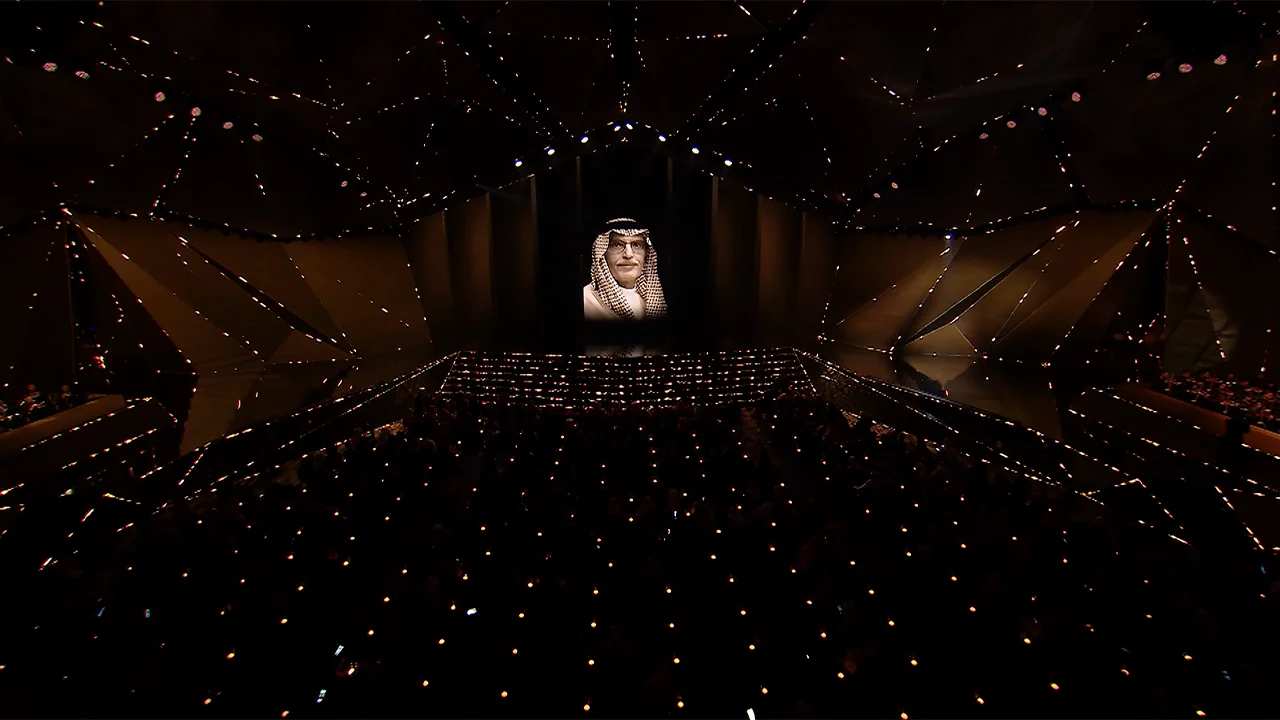
High-profile events are proving to be significant economic catalysts. The Joy Awards, which distributed over USD 60 million in prizes in 2025, has successfully attracted international attention and participation. This not only boosts direct revenue for the entertainment sector but also creates a powerful ripple effect across tourism, with increased spending on accommodation, food, and other leisure activities.
Key Players And Regional Dynamics
The market is led by major government-backed entities like Saudi Entertainment Ventures (SEVEN) and the Qiddiya Investment Company, alongside established private operators such as Abdul Mohsen Al Hokair Group and Muvi Cinemas.
Regionally, Riyadh commands the largest market share at 52.1%, driven by its high concentration of family entertainment centers. The holy cities of Mecca and Medina leverage religious tourism during Hajj and Umrah, while the Eastern Province is developing a niche in waterparks. Emerging cities like Asir and NEOM are also developing unique indoor and cultural entertainment concepts.
Navigating Growth Drivers And Headwinds
Key drivers fueling the market include sustained government infrastructure investment, strategic tourism campaigns, and increased female and family participation in leisure activities. However, the sector faces challenges, including the seasonality of tourism, fragmented municipal licensing processes, and a shortage of specialized engineering talent required for ambitious new projects.
About Vision 2030
Saudi Vision 2030 is a strategic framework to reduce Saudi Arabia’s dependence on oil, diversify its economy, and develop public service sectors such as health, education, infrastructure, recreation, and tourism. Launched in 2016, the plan is built around three primary themes: a vibrant society, a thriving economy, and an ambitious nation. It outlines specific goals and initiatives aimed at transforming the Kingdom’s economic and social landscape over the next decade.
Source: Waya