
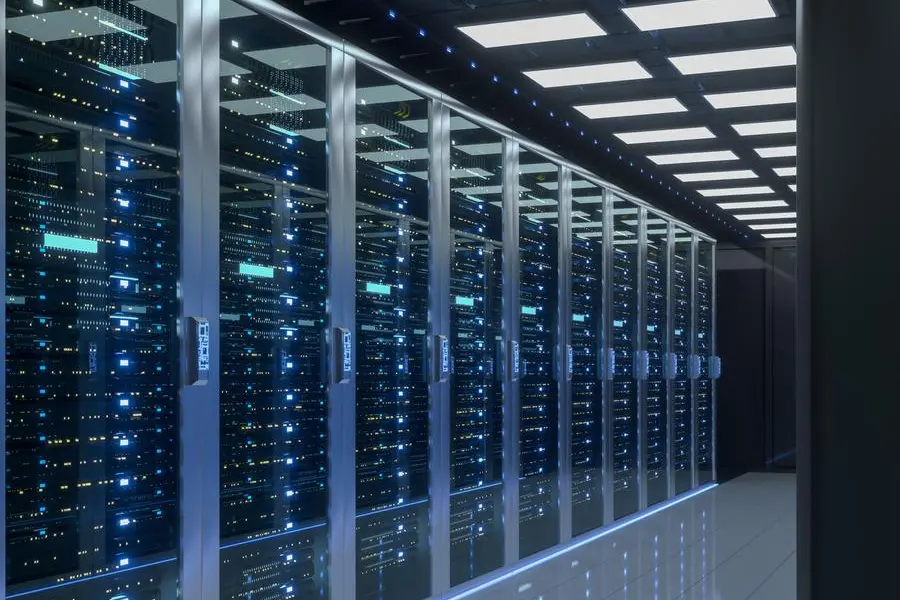



Shenzhen has officially activated China’s first 10,000-card artificial intelligence computing cluster, powered exclusively by Huawei Ascend 910C chips. The activation marks a massive scale-up in domestic computing capabilities as local tech giants and startups race to secure processing power.
Quick Facts
-
Features 10,000 Huawei Ascend 910C AI chips.
-
Delivers 14,000 petaflops total computing capacity.
-
Achieves a massive 92% combined booking rate.
Scaling Sovereign AI Infrastructure in Shenzhen
The newly activated cluster adds 11,000 petaflops to a previously launched 3,000-petaflop facility from last year. According to the Shenzhen Special Zone Daily, the massive compute expansion is already heavily subscribed, with nearly 50 organizations signing framework agreements to utilize the processing power.
Shenzhen has outlined a three-year strategy to establish itself as a dominant AI computing hub by 2028. The city aims to scale its real-time AI capacity beyond 80,000 petaflops by 2026.
This aggressive local push aligns with a broader national infrastructure surge. According to the China Academy of Information and Communications Technology (CAICT), the country’s total computing power reached 962,000 petaflops by the end of June 2025, representing a 73% year-on-year increase and claiming 21% of the world’s total capacity.
Bridging the Compute Gap With Nvidia Alternatives
While domestic hardware is gaining significant ground, performance benchmarks highlight ongoing competition. A recent DeepSeek study indicates the Ascend 910C operates at approximately 60% of the capacity of an Nvidia H100 GPU.
However, major players are banking on the next hardware iteration to close this performance deficit. Chinese tech heavyweights like ByteDance and Alibaba Group Holding are reportedly planning to purchase Huawei’s upcoming Ascend 950PR processor.
This new chip promises enhanced compatibility with Nvidia’s CUDA software ecosystem and faster response speeds. Reports suggest a rollout of roughly 750,000 units of the 950PR by the end of the year.
What Shenzhen’s AI Hardware Push Means for MENA Tech
For founders and policymakers in the Middle East and North Africa, Shenzhen’s rapid infrastructure buildup offers a critical case study in sovereign compute strategies. Nations like the UAE and Saudi Arabia are heavily investing in their own national data centers and AI hardware reserves to reduce reliance on single global markets.
As global demand for processing power creates ongoing supply bottlenecks, the emergence of viable alternatives to Nvidia could reshape hardware procurement for MENA-based startups. A diversified global chip market gives regional research institutions, robotics firms, and AI developers more leverage and options when training and scaling large language models locally.
About Huawei
Huawei Technologies is a global provider of information and communications technology infrastructure and smart devices. The company focuses heavily on telecommunications networks, cloud computing, enterprise tech, and developing high-performance artificial intelligence processors.
Source: Tech in Asia