



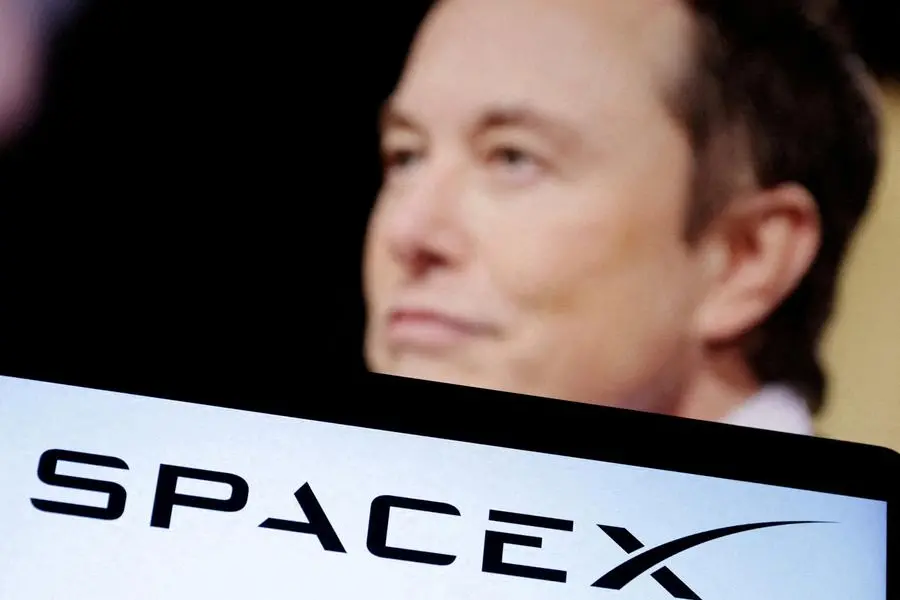
In a significant strategic shift, Elon Musk has announced that SpaceX is now prioritising the ambitious goal of constructing a “self-growing city” on the Moon. The visionary entrepreneur stated this feat could be achieved in less than a decade, redirecting the company’s primary focus from its long-held ambition of colonising Mars.
In a post on his social media platform X, Musk explained the rationale behind the pivot. “SpaceX still intends to start on a city on Mars within five to seven years,” he wrote, “but the overriding priority is securing the future of civilization and the Moon is faster.”
A New Lunar Priority
This announcement marks a notable change from Musk’s previous timelines, which had consistently placed Mars at the forefront of SpaceX’s interplanetary objectives. Last year, he had aimed for an uncrewed mission to Mars by the end of 2026.
The renewed focus on the Moon aligns with intensifying geopolitical interests in lunar exploration and settlement, particularly as the United States and China compete to establish a long-term human presence on the lunar surface. Humans have not set foot on the Moon since the Apollo 17 mission concluded in 1972.
Shifting Commercial and Governmental Dynamics
While SpaceX remains a key partner in NASA’s Artemis programme with a $4 billion contract to land astronauts on the Moon using its Starship spacecraft, Musk signalled a growing financial independence from the government agency. He noted that NASA would account for less than 5% of SpaceX’s revenue this year.
The primary driver of this financial strength is the company’s commercial satellite internet service, Starlink. Underscoring its commercial success, SpaceX recently aired its first-ever Super Bowl advertisement promoting the service. “Vast majority of SpaceX revenue is the commercial Starlink system,” Musk added.
Synergies with AI and a Looming IPO
Adding to a series of major developments, Musk also announced SpaceX’s acquisition of the artificial intelligence firm xAI, which he also leads. The deal values SpaceX at a staggering $1 trillion and xAI at $250 billion. Supporters suggest this integration could bolster ambitions for space-based data centres, which Musk believes offer greater energy efficiency as global demand for AI-driven computing power soars.
This flurry of activity comes as SpaceX is reportedly considering a public offering later this year. The IPO could raise as much as $50 billion, potentially making it the largest in history and offering a new avenue for global investors to participate in the company’s growth.
Relevance for the MENA Space Sector
SpaceX’s strategic pivot toward the Moon resonates deeply with the MENA region’s burgeoning space ambitions. Nations like the UAE and Saudi Arabia are investing heavily in their own space programs, from satellite technology to astronaut missions. This global shift could create new opportunities for collaboration, technological partnerships, and knowledge transfer between SpaceX and emerging regional players.
Furthermore, a potential record-breaking IPO for a company at the forefront of space exploration and satellite communications will undoubtedly capture the attention of the region’s major sovereign wealth funds and institutional investors. The success of Starlink also provides a powerful model for how MENA’s tech ecosystem can leverage advanced technology to solve connectivity challenges and create globally competitive commercial enterprises.
About SpaceX
SpaceX designs, manufactures, and launches the world’s most advanced rockets and spacecraft. The company was founded in 2002 by Elon Musk to revolutionize space technology, with the ultimate goal of enabling people to live on other planets. It is the world’s leading provider of launch services and operates the Starlink constellation, the largest satellite internet network.
Source: Zawya