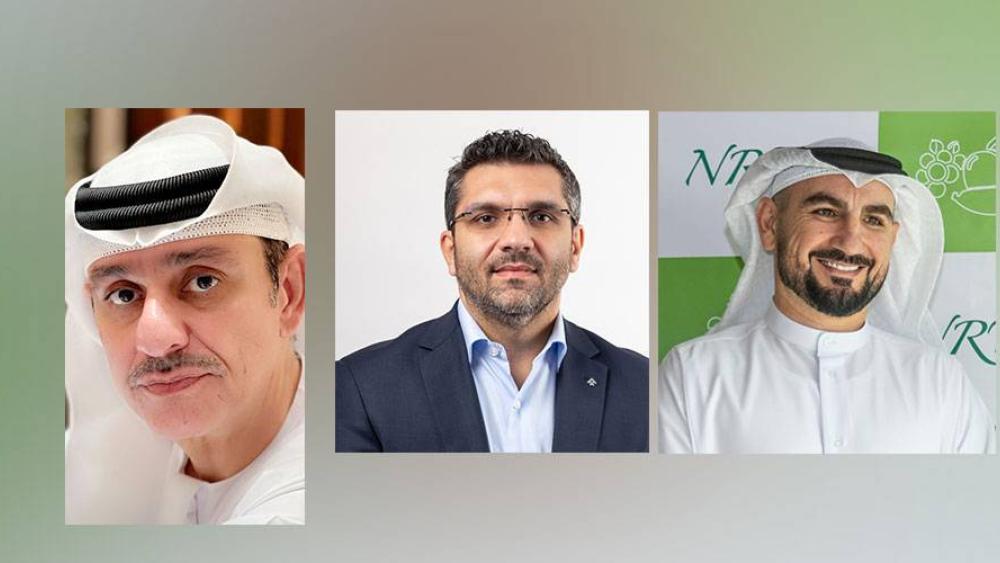






A groundbreaking open-access study published in the Journal of Business Venturing Insights has unveiled a comprehensive framework for rebuilding entrepreneurial ecosystems in conflict zones. Co-authored by Ramzi Fathallah, Trent Williams, and Startup Syria founder Ahmad Sufian Bayram, the paper bridges theoretical rigor with on-the-ground realities to offer a viable path forward for the country’s economic reconstruction. The research argues that traditional “Silicon Valley” models are ill-suited for fragile, post-war economies and proposes a tailored approach focused on dignity, local capacity, and institutional scaffolding.
Moving Beyond The Silicon Valley Model
The research posits that Syria is currently at a critical crossroads following the conclusion of its thirteen-year civil war. While the fall of the previous regime has opened a window for economic reimagining, the country faces catastrophic infrastructure damage, brain drain, and deep societal fracturing. The authors argue that existing models for building entrepreneurial support infrastructure—typically predicated on stable markets and “unicorn” chasing—are a complete misfit for this context.
Instead of importing foreign frameworks, the study emphasizes a “rapid response inquiry” approach. This method integrates academic theory with the lived experiences of Syrian entrepreneurs who have operated under extreme adversity. The goal is to shift the focus from individual heroism and hustle toward cultivating entrepreneurship as a vehicle for peace, justice, and local self-reliance.
A Three-Layered Framework For Reconstruction
To guide organizations like Startup Syria, the researchers developed a layered model that links immediate “quick-win” initiatives with longer-term institutional shifts. This framework rests on three core perspectives designed to stitch together scattered actors and resources.
System Design: The paper utilizes the concept of “leverage points” to suggest that small, strategic interventions can catalyze systemic change. Rather than aiming immediately for massive structural overhauls, the authors suggest altering parameters and information flows. For example, sustaining high-visibility, low-cost activities like hackathons—such as the recent “Hack for Syria”—serves as a hinge point to signal viability and attract stakeholders.
Community-Building and Polycentric Governance: Drawing on the work of economist Elinor Ostrom, the framework advocates for “polycentric governance.” In a fractured political geography, a centralized top-down approach is likely to fail. The study suggests building decentralized hubs and networks that allow for local autonomy while fostering cross-community collaboration. This involves empowering local entrepreneurs to co-design support services, ensuring that governance is pushed down to the local level rather than imposed by outsiders or elites.
Institutional Scaffolding: The final pillar addresses the “institutional void” left by the war. The authors argue that an inclusive ecosystem must build bridges between informal survival mechanisms and formal economic institutions. This involves creating “scaffolding” that supports new worldviews, practices, and social relationships grounded in entrepreneurship rather than sectarian factions.
Bridging The Gap Between Diaspora And Locals
A significant portion of the research addresses the tension between local populations living in precarity and the globally dispersed Syrian diaspora. The authors warn against “elite capture,” where well-intentioned diaspora members provide financial remittances but remain isolated from the operational realities on the ground.
To counter this, the paper recommends creating shared narratives and assets. Startup Syria is encouraged to foster “two-way reciprocity,” where diaspora members are not just funders but active co-governors. Conversely, local founders operating under sanctions and scarcity can provide “reverse mentorship” to outside investors, creating a unified collective movement identity that transcends geographical borders.
Full Report: Link
About Startup Syria
Startup Syria is a community-driven organization dedicated to rebuilding the Syrian entrepreneurial ecosystem. Founded by Ahmad Sufian Bayram, the organization focuses on empowering Syrian entrepreneurs, cultivating early-stage startups, and positioning entrepreneurship as a key driver of the nation’s economic recovery. Through initiatives like Hack for Syria and partnerships with global academic institutions, Startup Syria works to create actionable pathways for engagement and sustainable economic development.
Source: Startup Syria