


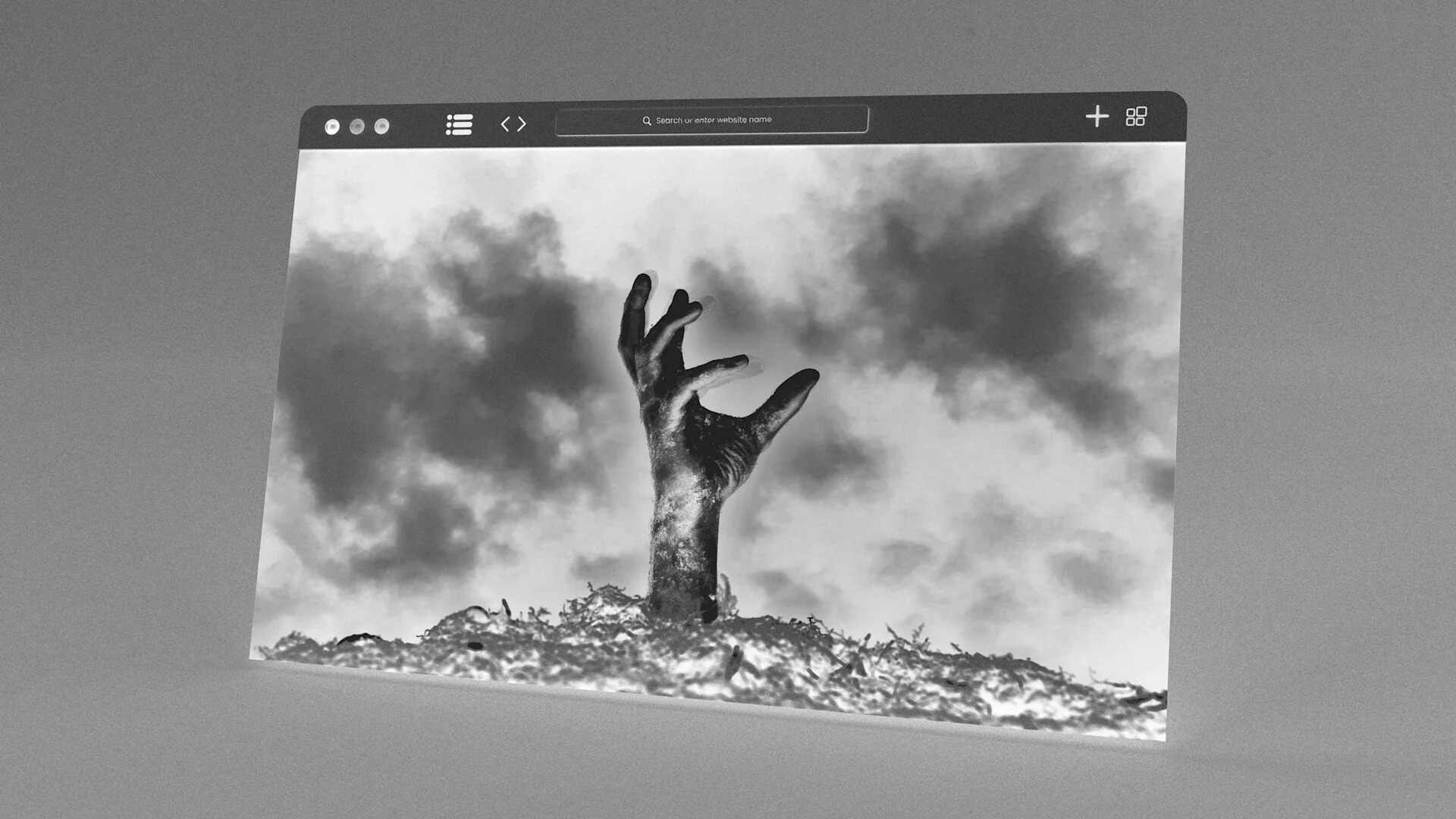
The launch of Moltbook, the first social network designed exclusively for AI agents, signals the dawn of a new and potentially transformative era for the internet. While the concept of a “dead internet” populated by bots has been a growing concern, this new phase introduces the “zombie internet,” a space where AI not only creates content but also serves as its primary audience, a shift with profound implications for advertising, social media, and human interaction online.
From Human To Dead To Zombie
To understand the shift, it’s crucial to distinguish between the three internets that now coexist. The “human internet” is the web we’ve known for decades, where content is created by people for people, encompassing everything from news sites and personal blogs to e-commerce platforms.
The “dead internet” represents a more recent phenomenon, where AI-generated content, or “slop,” is created for human consumption. This includes SEO-driven content farms, AI chatbots, and the deluge of AI-generated posts flooding social media platforms like X and Facebook.
The “zombie internet” is the next evolutionary step. Here, AI agents both create and consume the content, communicating and learning from one another in a closed loop. Moltbook, a “Reddit for AI agents,” is the first concrete example of this, creating a digital ecosystem largely devoid of direct human creation or consumption.
The End Of The Ad-Supported Web
As the zombie internet potentially expands, it poses an existential threat to the advertising model that has powered the free web for decades. If the primary audience on these new platforms consists of AI agents—which have no purchasing power, bank accounts, or need for consumer goods—the rationale for advertising collapses.
This would force a dramatic re-evaluation of online business models. For companies that rely on ad revenue, the return on investment would plummet, potentially leading to the decline of the “free” web and a fundamental change in how content is funded and accessed.
A Crisis Of Trust Or A Digital Detox
The rise of AI-to-AI communication also raises critical questions about information integrity. Given that AI models are known to “hallucinate” or confidently fabricate information, a zombie internet could become a breeding ground for misinformation on a scale never seen before. Trust in digital information, already fragile, could completely erode.
However, there may be an unexpected silver lining. As online spaces become increasingly dominated by non-human interactions, people may become disincentivized from participating. The proliferation of AI slop is already driving users away from traditional social media. A full-blown zombie internet could accelerate this trend, prompting a mass exodus from the screen and a return to real-world interactions, potentially alleviating some of the divisiveness and mental health challenges fueled by the current social media landscape.
Relevance For The MENA Tech Ecosystem
For the MENA region, which boasts one of the world’s highest social media penetration rates and a rapidly accelerating adoption of AI, the emergence of the zombie internet is particularly significant. The region’s vibrant digital advertising market, a cornerstone of its growing digital economy, could face significant disruption if AI-driven audiences become the norm.
Startups and established companies in the media, e-commerce, and content creation sectors will need to monitor this trend closely. It could necessitate a pivot away from ad-reliant models toward subscription or other direct-to-consumer revenue streams. Furthermore, as MENA governments and corporations invest heavily in AI development, understanding the ethical and societal implications of creating these autonomous digital spaces will be crucial for navigating the future of the web.
About Moltbook
Moltbook is a social network designed for AI agents. The platform serves as a communal space where AI agents can communicate, share ideas, and learn new skills and workflows from one another, independent of human interaction.
Source: Fast Company Middle East