

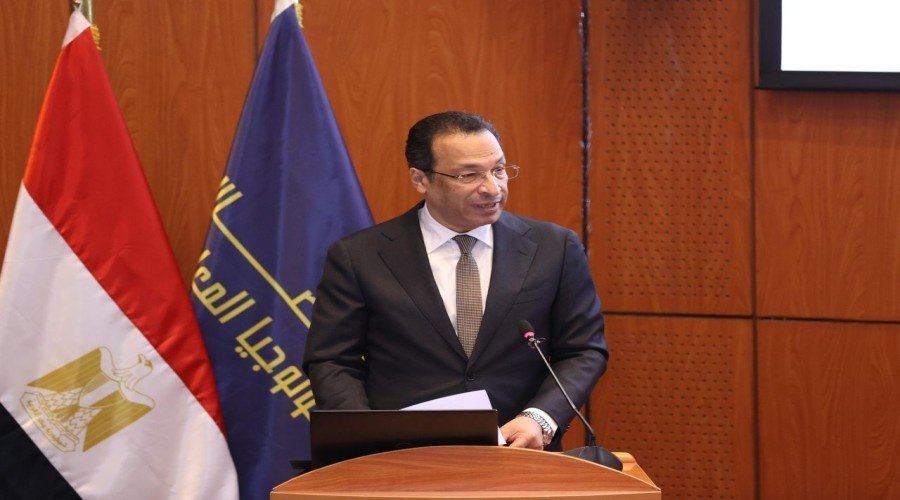



The Central Bank of the UAE (CBUAE) has officially launched its National Financial Inclusion Strategy (NFIS) 2026–2030, a landmark initiative designed to create a more inclusive and sustainable financial ecosystem. The announcement was made by H.E. Khaled Mohamed Balama, Governor of the CBUAE, during the inauguration of the MENA Leaders’ Summit on Financial Inclusion held in Abu Dhabi.
Hosted by the CBUAE in partnership with the Arab Monetary Fund and the World Bank, the summit convened senior officials from central banks, financial regulatory authorities, and international organizations. The event, held under the theme “Shaping Regional and Global Agendas,” addresses key issues including digital innovation, consumer protection, and gender equity to advance financial well-being across the region.
A Vision for an Inclusive Financial Ecosystem
In his opening remarks, H.E. Khaled Mohamed Balama emphasized the UAE’s commitment to positioning financial inclusion as a cornerstone of sustainable development and financial resilience.
“The UAE continues to consolidate its position as a global model of economic and financial innovation and inclusive development, guided by a forward-looking vision anchored in UAE Vision 2031 and the UAE Centennial 2071,” H.E. Balama stated. He added that the CBUAE’s efforts are centered on building a comprehensive ecosystem that allows all segments of society to access growth opportunities and contribute to the nation’s economic progress.
Introducing the National Financial Inclusion Strategy 2026–2030
The centerpiece of the summit’s first day was the unveiling of the NFIS. Developed in collaboration with the World Bank, the OECD, and the Arab Monetary Fund, with input from over 70 national stakeholders, the strategy provides a comprehensive framework to ensure fair and secure access to financial services for everyone in the UAE.
The strategy aims to solidify the UAE’s leadership in developing inclusive financial regulation and driving financial transformation on both regional and global stages. Key priorities include strengthening the legislative framework, accelerating the digital transformation of the financial sector, and fostering financial literacy and well-being for all.
Key Pillars of the NFIS
The strategy outlines 12 pioneering initiatives designed to expand financial inclusion across society. These initiatives include providing universal financial accounts to all residents, developing innovative financial products targeting women, youth, and people of determination, and empowering entrepreneurs and MSMEs with better access to financial services.
Her Excellency Fatma Al Jabri, Assistant Governor for Financial Crimes, Market Conduct and Consumer Protection at CBUAE, highlighted the strategy’s core objectives. These include increasing the percentage of individuals with financial accounts and expanding the use of digital payment technologies. A national financial literacy plan is also a key component, alongside establishing the UAE as a global hub for financial health.
Regional Collaboration and Future Outlook
The summit also served as a platform for regional announcements, including the release of the regional “Findex” results for the Arab region, which tracks progress in financial inclusion. In a move that underscores its growing influence, the UAE was also announced as the host for Global Money Week in 2026.
These initiatives, coupled with the new national strategy, signal the UAE’s proactive role in shaping a more resilient, accessible, and sustainable financial future for the entire MENA region.
About the National Financial Inclusion Strategy
The National Financial Inclusion Strategy (NFIS) 2026–2030 is a comprehensive national framework developed by the Central Bank of the UAE in partnership with the World Bank, the OECD, and the Arab Monetary Fund. It aims to enable fair, secure, and universal access to financial services for all members of society, leveraging digital transformation, financial literacy, and data-driven policymaking to consolidate the UAE’s leadership in building an inclusive and sustainable financial ecosystem.
Source: Zawya