


Egyptian founder Salma Medhat is pioneering a new approach to personal safety in the MENA region, placing trust-based relationships at the core of her startup, Hiryo. The venture’s unique model, which prioritizes community networks over public institutions, is sparking a broader conversation on the evolving role of technology in civic life.
“My goal is to build the first fully integrated personal safety ecosystem in the MENA region, with proprietary hardware, apps, and SOS devices working together,” says Salma Medhat, CEO of Hiryo.
Her startup combines software, physical devices, and emergency services, all adapted to the cultural nuances of Middle Eastern and North African societies.
Trust as a Design Choice
Hiryo’s award-winning application creates a continuous connection with a user’s designated “circle of trust.” In the event of a medical emergency, road accident, or instance of gender-based violence, the app instantly alerts all members of this circle and connects the user with local emergency services.
This core feature was born from direct user research. “We started from this idea of customizable trust after asking potential users who they would want to call in cases of violence or harassment,” Medhat explains. “No one mentioned the police. Many mentioned parents, siblings, partners. That surprised us, and we realized we couldn’t ignore this pattern.”
This design reflects a documented reality in the region. According to the World Values Survey, trust in law enforcement shows significant regional variation, with lower levels reported in several MENA countries. By encoding an alternative emergency response model, Hiryo is building a solution that aligns with existing social structures.
An Integrated Ecosystem of Hardware and Software
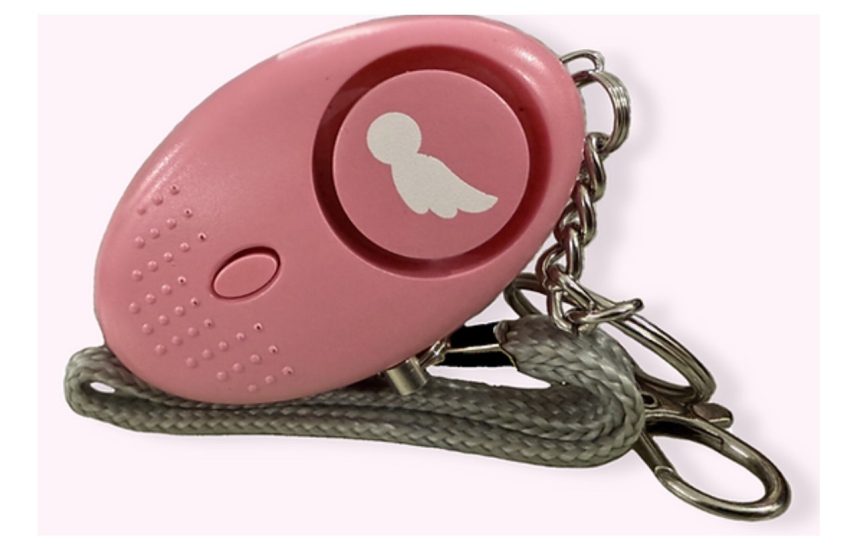
Beyond the app, Hiryo is developing Fly, the first legal personal self-defense device in the MENA region.
“It’s a personal physical device designed to emit a loud alarm to deter violence and attract attention,” Medhat notes. “In Europe and the United States this isn’t new, but in our region it is. Now we want to integrate it into the Hiryo app so it can also send real-time notifications and the victim’s location.”
This integration of hardware and software is central to Medhat’s vision of creating a complete, end-to-end safety ecosystem that empowers users through their immediate community.
Cultural Contextualization as a Strategy
Hiryo’s effectiveness is deeply tied to its localized approach. The team chose to focus initially on Egypt to build an ecosystem that reflects the cultural importance of family and community as the first line of defense.
“In every country we enter, we will apply the same level of customization. That is what will make our service distinctive,” Medhat says.
This strategy, while powerful, also raises systemic questions about who is protected by a network-based model and how private solutions reshape public expectations of safety and security.
Navigating the Ecosystem as a Female Founder
Medhat’s journey also highlights the challenges and opportunities for women in MENA’s tech sector. Recalling her experience in a male-dominated field, she developed strategies to ensure her voice was heard.
“I kept telling myself never to turn being a woman or being discriminated against into an excuse,” she explains. “I chose to be very assertive. I show up and participate in meetings even when I’m the only woman.”
She has also observed key behavioral differences between male and female founders, noting that men often pitch ideas early while women tend to wait for perfection. This insight, she believes, underscores the need for targeted support.
“That’s why I strongly believe in programs dedicated to women entrepreneurs: they address specific challenges linked to how we are raised and conditioned to behave.”
About Hiryo
Hiryo is an Egyptian technology startup building a personal safety ecosystem for the MENA region. The company integrates a mobile application centered on a user’s “circle of trust” with proprietary hardware, including a personal self-defense device, to provide a comprehensive safety solution. By prioritizing community-based responses and cultural contextualization, Hiryo aims to address safety needs in a way that aligns with the social fabric of the markets it serves.
Source: Tech4Future