


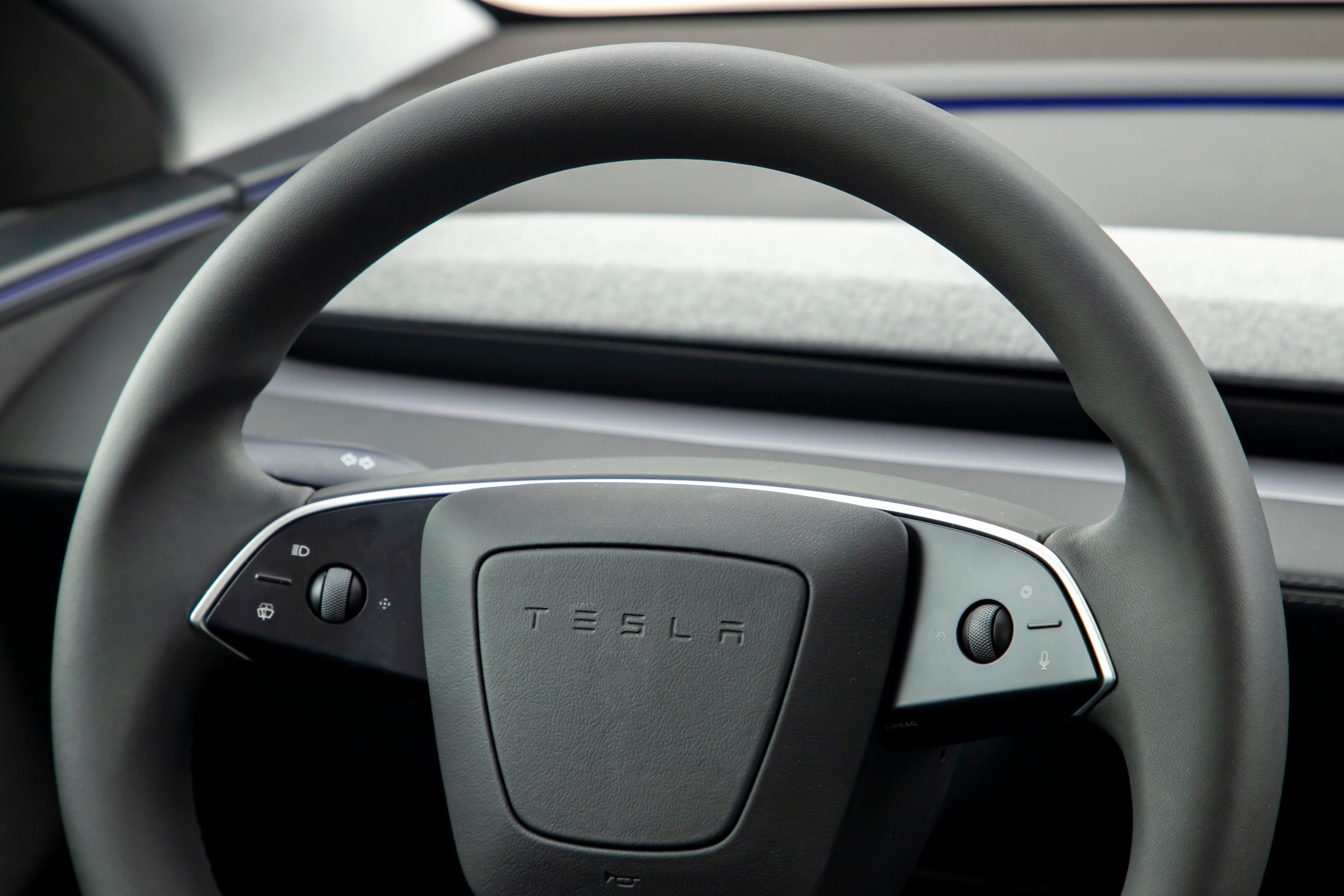
In a strategic move that further intertwines Elon Musk’s technology ventures, electric vehicle giant Tesla has received US government clearance to convert its investment in the AI startup xAI into a minority stake in the aerospace manufacturer SpaceX. The move, revealed in filings with the Federal Trade Commission (FTC) dated March 11, formalizes financial ties between the companies as SpaceX gears up for a highly anticipated Initial Public Offering (IPO).
The transaction effectively rolls Tesla’s previously announced US$2 billion investment in xAI into SpaceX, following a recent merger between the two Musk-led companies.
The $2 Billion Stake Conversion
According to the FTC filings, Tesla is listed as the acquirer of the SpaceX stake from Musk. While the specific size of the holding was not disclosed, sources familiar with the matter suggest the US$2 billion investment would translate to less than 1% of SpaceX’s valuation.
The filings were mandated because the transaction value surpassed the US$133.9 million regulatory threshold. The documents also show Musk selling holdings to other investors, including Valor Equity Partners and DFJ Growth, highlighting a broader reshaping of the company’s cap table.
A Web of Interconnected Ventures
This consolidation is indicative of a growing trend where influential founders build interconnected networks of companies that share resources, talent, and strategic direction. The increasing overlap between Tesla, xAI, and SpaceX fits a pattern of founder-led “empires” that can pursue ambitious, long-term projects without succumbing to short-term profit pressures from public shareholders.
However, this level of centralized control and sprawling business interests often invites heavier regulatory scrutiny. Musk’s other companies, including xAI and X (formerly Twitter), already face numerous consumer complaints listed in FTC records, signaling potential challenges ahead for the consolidated group.
Protecting Control Ahead of a Landmark IPO
The financial restructuring comes as SpaceX is reportedly weighing a dual-class share structure for its eventual IPO. This arrangement would grant insiders like Musk shares with superior voting rights, allowing him to maintain strategic control over the company’s direction even with a minority stake and effectively fend off activist investors.
With Musk estimated to own approximately 42% of SpaceX and other major shareholders like Alphabet holding a significant stake, securing long-term control is a critical component of the pre-IPO strategy.
Relevance for the MENA Tech Ecosystem
For founders and investors in the MENA region, this move offers several key insights. Firstly, it underscores the strategic value of building an integrated ecosystem of companies, a model that could be replicated by the region’s top entrepreneurs who are increasingly launching multiple ventures.
Secondly, the debate around dual-class share structures is highly relevant as MENA’s capital markets mature. As more regional unicorns like Kitopi or Jahez Group consider public listings on exchanges such as the Tadawul or ADX, establishing governance models that balance founder control with investor protections will be crucial.
Finally, with major MENA sovereign wealth funds being significant investors in global technology, the restructuring of a high-value asset like SpaceX has direct implications for regional investment portfolios and future deployment of capital into the international tech scene.
About SpaceX
SpaceX designs, manufactures, and launches the world’s most advanced rockets and spacecraft. The company was founded in 2002 by Elon Musk to revolutionize space technology, with the ultimate goal of enabling people to live on other planets. SpaceX is also the developer of the Starlink satellite constellation to provide high-speed, low-latency broadband internet across the globe.
Source: Tech in Asia