


Algeria is actively accelerating the integration of academic research and commercial venture building. In a significant ecosystem milestone, the Ministry of Higher Education and Scientific Research announced the approval and funding of 117 micro-enterprise projects led by university students across the country in February. The initiative highlights a broader national strategy to transform universities from traditional academic institutions into active economic drivers.
Quick Facts
-
117 student micro-enterprises approved for national funding.
-
43 innovative project labels awarded across Algerian universities.
-
Key sectors include Agritech, AI, E-Health, and renewables.
Scaling Strategic Sectors To Diversify Algeria’s Economy
Minister of Higher Education and Scientific Research, Professor Kamel Baddari, described the recent output as an exceptional movement toward creating an “entrepreneurial university.” The funding approvals, processed through university entrepreneurship development centers and the CSVF funding mechanism, focus entirely on converting academic research into viable micro-enterprises.
The approved startups target highly strategic sectors including agriculture, healthcare, tourism, and industrial services. This focus directly aligns with the government’s economic priority to reduce dependence on petroleum revenues by establishing a robust, diversified, and technology-enabled private sector.
By backing these ventures, the higher education sector is positioning itself as a primary engine for local development, providing technical solutions to complex industrial challenges while directly addressing food and health security.
Regional Academic Hubs Driving Local Innovation
The data reveals active participation across multiple provinces, tailored to the specific industrial needs of each region. Ziane Achour University in Djelfa led the initiative with 12 approved projects, focusing on aquaculture, mining, and public works.
Abderrahmane Mira University in Bejaia secured the second spot with nine projects targeting health, food production, and agriculture. Souk Ahras University followed with eight projects specialized in textiles and recycling, while Setif 1 and Adrar universities secured multiple approvals in health, agricultural tech, and technical services.
Other institutions, such as Djillali Liabes University in Sidi Bel Abbes, introduced highly specialized projects, including ventures in the semi-pharmaceutical industry.
Securing Technology Sovereignty Through Innovative Project Labels
Alongside the 117 funded micro-enterprises, the ecosystem awarded 43 official “Innovative Project” labels to both national research initiatives and student founders.
National research projects secured 17 labels across vital technology verticals. This includes four labels in precision Agritech, three in WaterTech, five in Renewable Energy, and distinct labels in E-Health, Biotech, FoodTech, AI, and Environmental Technology.
Student founders secured 26 labels. Universities in Bordj Bou Arreridj, Setif, Bouira, and Algiers produced recognized projects in smart agriculture, digital services, and sports tech. Institutions like the National Higher School of Public Works (ENSTP) advanced AI-driven engineering models, while teams in Sidi Bel Abbes focused on IoT and e-commerce.
This high volume of activity underscores a direct partnership between universities and the Ministry of Knowledge Economy, Startups and Micro-enterprises. The collaboration relies on institutional frameworks like ASF and Nazda to turn academic concepts into structured, wealth-generating companies.
About The Ministry Of Higher Education And Scientific Research
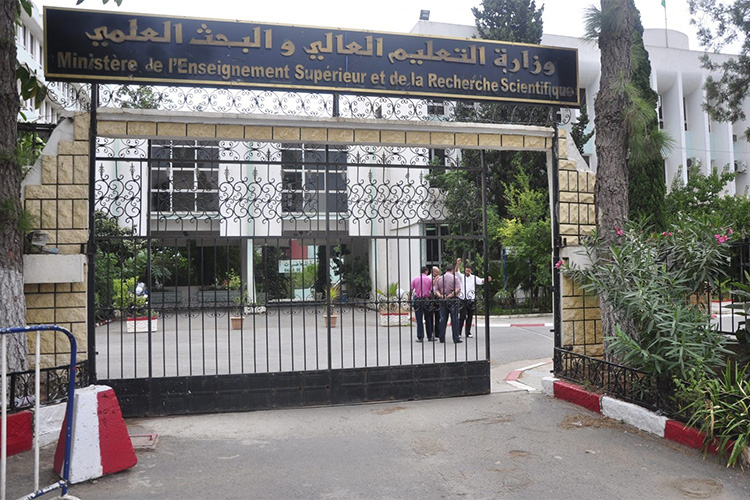
The Ministry of Higher Education and Scientific Research is the Algerian government entity responsible for academic institutions, university frameworks, and advanced research development. The Ministry actively partners with economic departments to convert university-level innovation into funded startups and micro-enterprises, driving national economic diversification.
Source: Echorouk Online