


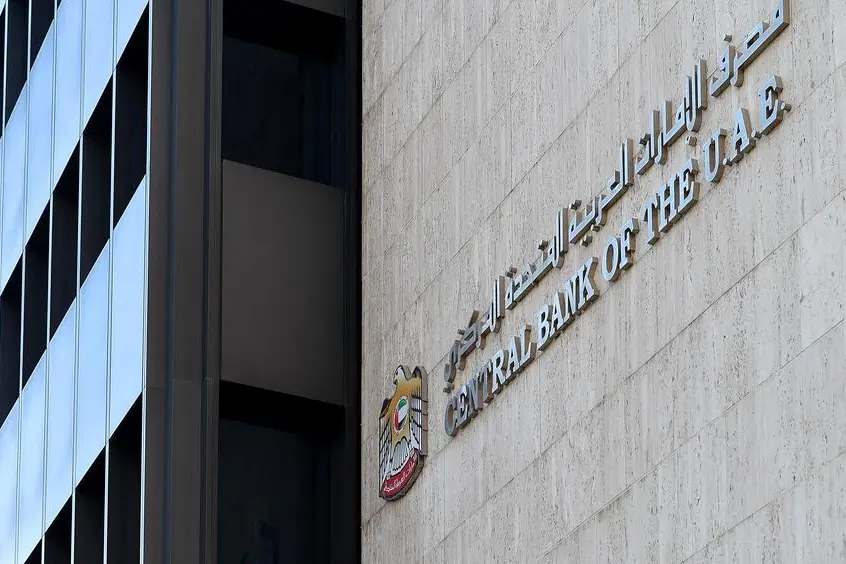
The Central Bank of the UAE (CBUAE) has introduced its most significant policy intervention since the COVID-19 pandemic, rolling out a resilience package to support banking liquidity amid the ongoing Iran crisis. The regulatory action triggered an immediate rebound in local financial markets on Wednesday morning, with major banking stocks reversing recent double-digit losses caused by the widening regional conflict.
Quick Facts
- CBUAE unlocks up to 30% of cash reserve requirements.
- Emirates NBD and Abu Dhabi Islamic Bank shares jump 6%.
- UAE banks maintain nearly $250 billion in overall liquidity.
Easing Capital Buffers to Sustain Financial Operations
The CBUAE’s emergency measures are designed to give regional lenders the flexibility required to navigate macroeconomic volatility as the conflict disrupts global energy and transport markets. Under the newly approved package, banks operating in the UAE gain enhanced access to reserve balances, capped at 30% of the cash reserve requirement.
The central bank is also providing term liquidity facilities in both UAE dirhams and U.S. dollars.
To further protect the lending ecosystem, the regulator introduced relief measures for liquidity and stable funding ratios. This includes the temporary release of both the countercyclical capital buffer (CCyB) and the capital conservation buffer (CCB).
Analysts at Goldman Sachs noted that the lifting of these buffers could boost bank capital by up to three percentage points. This provides financial institutions with critical runway to continue writing loans and absorb potential asset quality deterioration if the economic impact of the conflict deepens.
Market Response and Sector Stability in the UAE
The immediate market reaction to the central bank’s intervention was highly positive. After weeks of steady declines, Dubai’s Emirates NBD and Abu Dhabi Islamic Bank gained over 6% in early trading, while Abu Dhabi Commercial Bank rose over 5%. First Abu Dhabi Bank experienced a slight contraction, dipping around 1%.
Despite the ongoing war, which has seen attacks on Dubai and other Gulf targets, the core financial system remains highly robust. The CBUAE board confirmed that the banking sector’s health and payment systems have experienced no material impact.
S&P Global Ratings highlighted that while Gulf banks could face domestic deposit outflows of up to $307 billion if the conflict escalates further, there is currently no evidence of major capital flight in foreign or local funding.
Reinforcing this stability, the CBUAE reported that UAE banks currently hold close to $250 billion in overall liquidity at the regulator, alongside net eligible assets. Within this framework, banks’ reserve balances alone exceed $109 billion.
About Central Bank of the UAE (CBUAE)
The Central Bank of the UAE (CBUAE) is the primary regulatory and supervisory authority for the country’s banking and insurance sectors. It is responsible for maintaining financial stability, managing the national currency, and ensuring the resilience of the UAE’s monetary ecosystem through effective monetary policy and robust financial frameworks.
Source: Zawya