

Investment in MENA’s startup ecosystem showed signs of life in April 2026, with funding reaching $150 million across 27 deals. The figure represents a 211% month-on-month jump after a quiet March, but a closer look at the numbers reveals a market that is deploying capital with significant restraint.
Quick Facts
- Total April Funding: $150 million across 27 deals.
- YoY Performance: Funding remains down 42% from April 2025.
- Debt’s Dominance: Half of all capital came from debt financing.
A Measured Return, Not a Recovery
While April’s numbers mark a clear increase from the previous month, the underlying dynamics point to caution rather than a full-throated recovery. The most telling sign is the prevalence of debt, which accounted for $80 million across just two transactions. This suggests investors are prioritizing capital structures with downside protection over higher-risk equity plays.
The slowdown in growth-stage equity deployment was also apparent, with Egypt’s Lucky being the only later-stage company to secure a transaction.
In contrast, early-stage startups attracted the highest deal volume. Seventeen companies raised a combined $40.6 million, indicating a continued, albeit careful, appetite for long-term bets in smaller cheque sizes.
UAE Leads as Capital Concentrates
The United Arab Emirates reaffirmed its status as the region’s core funding hub, with its startups attracting $78 million across eight deals—or 52% of the total capital raised in April.
Saudi Arabia followed with $26.2 million raised by seven startups, while Egypt saw a similar funding total distributed across five transactions. Smaller Gulf markets also saw renewed activity, with Oman, Bahrain, and Qatar collectively raising $14.5 million, pointing to a modest but broader regional re-entry by investors.
Fintech and B2B Models Dominate a Risk-Averse Market
For the fourth consecutive month, Fintech was the top-funded sector, securing $89.4 million across seven deals. The sector’s consistent performance highlights its resilience and alignment with enterprise demand and financial infrastructure needs, which are less susceptible to market uncertainty. E-commerce also made a notable return, securing $19.3 million after a quiet March.
The preference for predictability was also clear in the business models attracting capital. B2B startups overwhelmingly captured the bulk of funding, raising $95.8 million across 11 deals. This far outpaced B2C companies, which secured $35.8 million through 12 transactions, reinforcing the market’s current favour towards enterprise contracts and infrastructure-focused businesses.
Female Founders Re-Emerge, But Funding Gap Persists
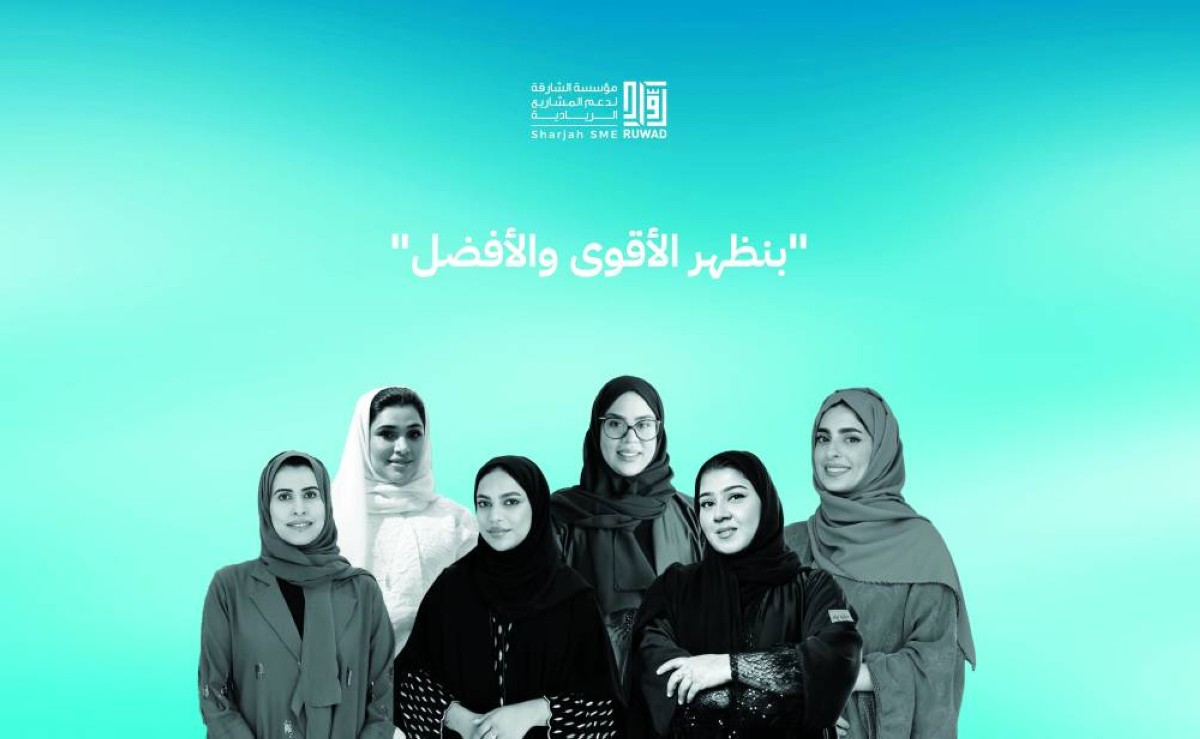
After a two-month absence from funding reports, startups led by women raised $1.5 million across five deals. However, the disparity in capital allocation remains stark. Male-founded startups secured $138.8 million across 19 deals, while mixed-gender teams raised $10 million.
A New Logic for a New Phase
April’s activity signals not a market rebound, but a market that has found a temporary floor. Investors are active again, but they are operating with a different logic—this is a “deploy carefully” phase.
Unlike the global trend of massive AI-led investments, the MENA region is seeing capital shift toward smaller, more defensible plays and alternative structures like debt. Capital is available, but only for business models that align with the market’s adjusted risk tolerance.
About MENA Startup Digest
MENA Startup Digest is the premier news platform for the latest startup news, trends, and updates across the Middle East and North Africa. We provide essential insights for founders, VCs, and tech professionals shaping the future of the region’s ecosystem.
Source: Wamda