

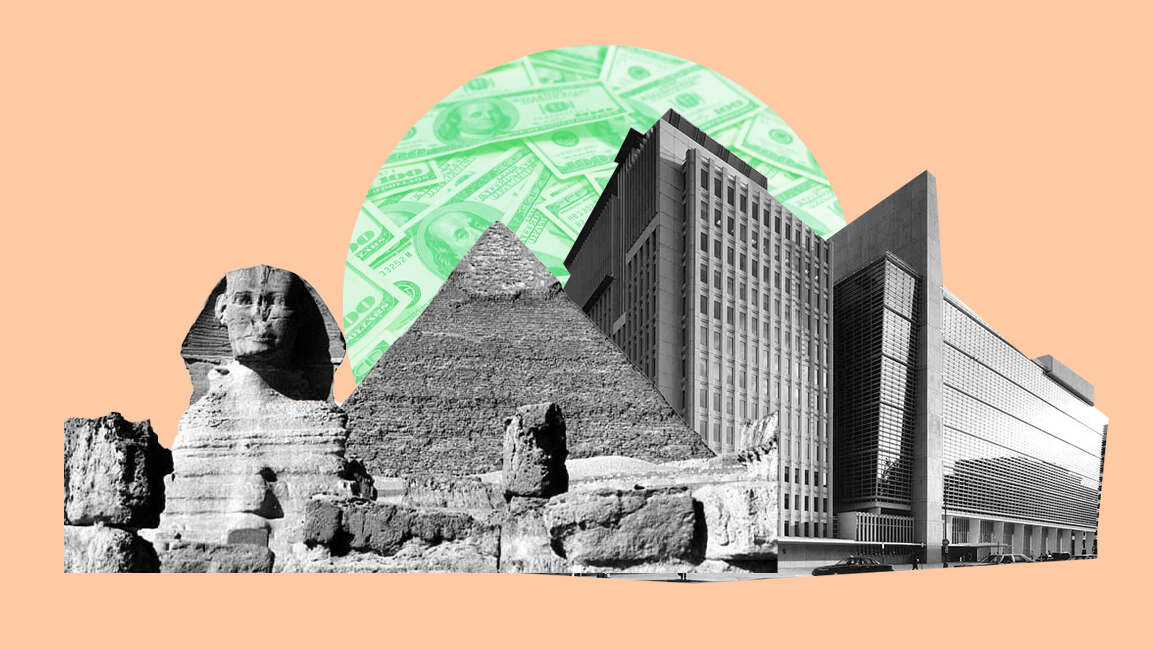
Egypt is set to receive an expanded $800 million development financing package from the World Bank, an increase of $300 million, as the country works to manage economic shocks stemming from regional conflicts. The move aims to bolster Egypt’s economy by supporting private sector growth, enhancing macroeconomic stability, and pushing forward its green transition agenda.
Quick Facts
- Total financing increased to $800 million.
- Aims to boost private sector-led job creation.
- Comes amid heightened regional economic uncertainty.
Navigating Regional Headwinds
The decision to increase the financing from the originally planned $500 million was driven by growing regional instability. Stephane Guimbert, the World Bank’s division director for Egypt, Yemen, and Djibouti, confirmed the board approved the operation on Friday, citing the “conflict in Iran” as a key factor.
According to Guimbert, the bank raised its contribution due to concerns over the potential impact on economies like Egypt’s, particularly through trade disruptions, pressure on investments, and rising uncertainty. The package also includes a $200 million guarantee from the United Kingdom.
Concessional Terms to Support Stability
The financing is being provided on concessional terms, which are more favorable than commercial market rates. The loan carries an interest rate of approximately 6%, with a 30-year repayment period and a grace period before repayments are due to begin.
This operation is the second part of a three-phase financing program between Egypt and the World Bank. The first phase was approved in June 2024, with a third phase expected next year. Additional parallel financing is also anticipated from other institutions, including the Asian Infrastructure Investment Bank.
Boosting Private Sector Investment
A primary goal of the financing is to stimulate private investment, which has recently climbed to around 6% of Egypt’s gross domestic product from a previous 4%. However, Guimbert noted this figure remains well below the levels in comparable emerging markets, where private investment often surpasses 20% of GDP.
The World Bank continues to collaborate with Egyptian authorities on measures designed to improve the investment climate and attract more foreign direct investment into the country.
About The World Bank
The World Bank is an international financial institution that provides loans and grants to the governments of low- and middle-income countries for the purpose of pursuing capital projects. It is composed of two institutions: the International Bank for Reconstruction and Development (IBRD) and the International Development Association (IDA).
Source: Fast Company Middle East