


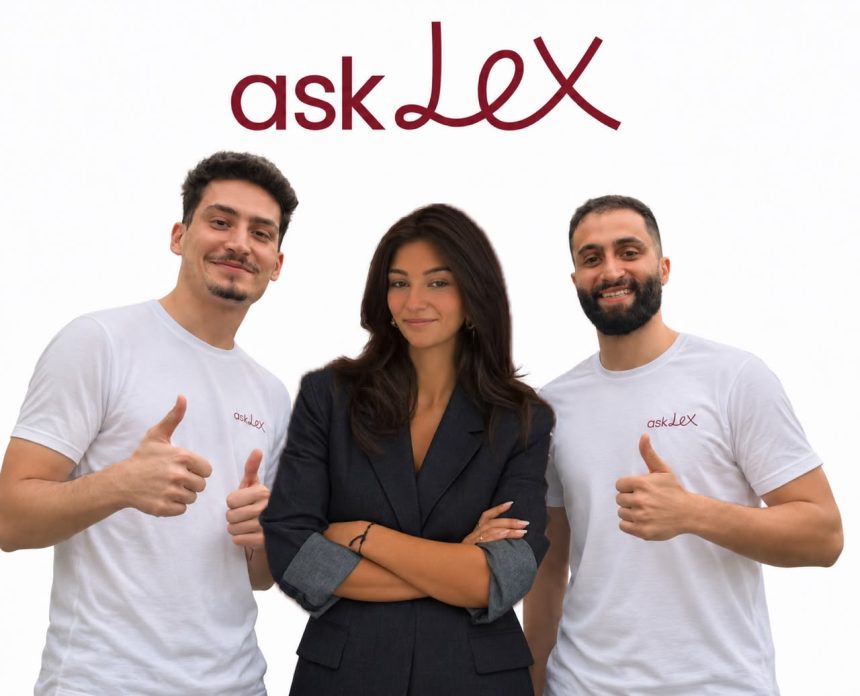
Lebanese legal-tech startup askLex has been selected to represent Lebanon in the Inclusion and Empowerment category of the World Summit Awards (WSA), taking its AI-powered legal platform into the awards’ global round.
The company said on LinkedIn that WSA named askLex Lebanon’s most innovative digital solution in the category. National selections from around the world will compete in the next round. Each country can put forward one solution per category, with Lebanon’s selection made by its WSA National Expert, Hussein Ayoub, whom askLex thanked for choosing the platform.
Founded by Lebanese trainee lawyer May El Hachem, askLex aims to make Lebanese law easier to understand and use. Its platform answers questions using legal content reviewed by qualified lawyers, provides step-by-step guides to administrative procedures, and connects users with verified lawyers, notaries and sworn translators.
The startup says the legal information people need can be scattered, written in dense legal Arabic and difficult to apply in practice. El Hachem, who grew up in a family of lawyers, saw how challenging Lebanon’s legal and administrative systems could be to navigate.
Since its public launch, askLex says it has grown from more than 200 registered users in under three weeks to more than 3,000. The platform is designed for freelancers, employees, founders and businesses that need help with legal matters but may not have a lawyer readily available.
In September, askLex made its verified Lebanese legal content available for free through ChatGPT and Claude. The company says the service declines to guess when it is uncertain and directs users to a lawyer instead. Support for Gemini, Perplexity and Grok is planned.
AskLex also said a new version is planned for the following week, with features that will let users draft and review agreements. The company was previously profiled by LeBusiness in July 2026.
Founded in 2003 as part of the United Nations World Summit on the Information Society, WSA brings together digital innovators from more than 180 countries. Its eight categories are linked to the UN Sustainable Development Goals; Inclusion and Empowerment covers areas including diversity, gender, justice and human rights.
Source: LeBusiness