




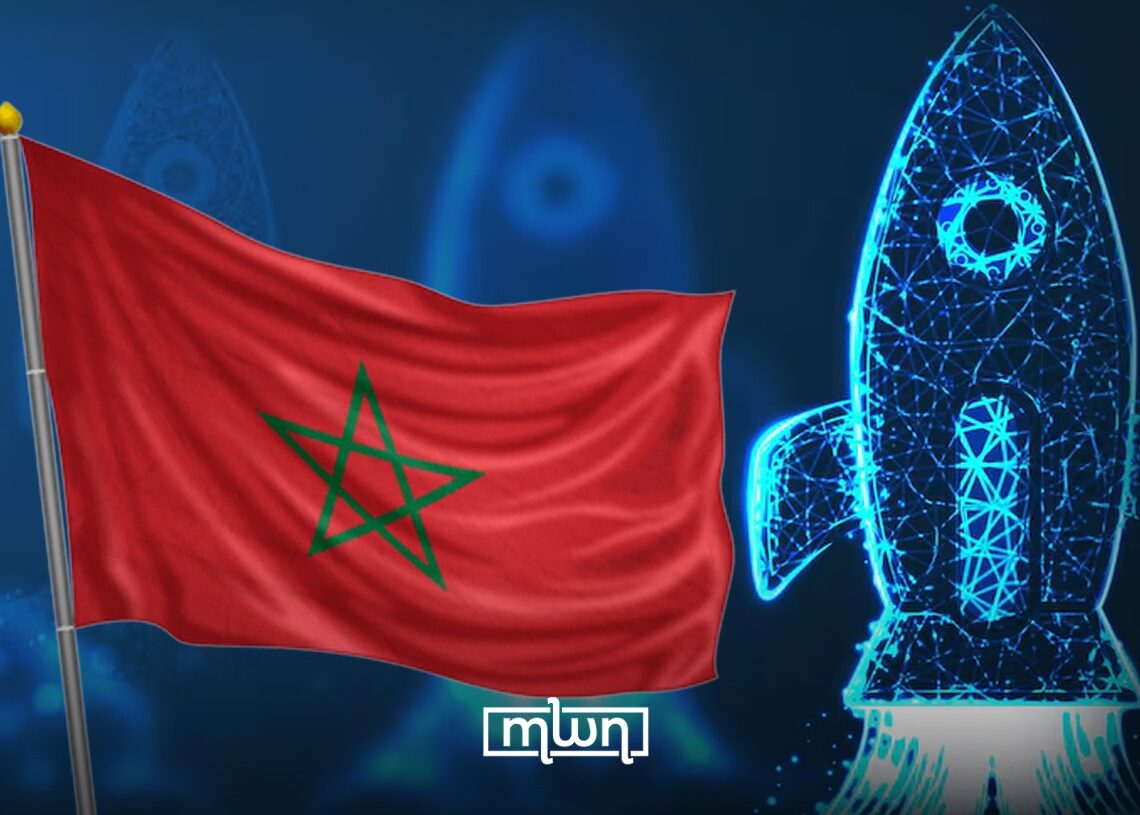
Morocco’s startup ecosystem is moving past its early experimental phase, entering a more mature and disciplined period in 2026. For years, the narrative was driven by potential, but a tangible shift is now underway as a growing number of companies operate with clear business models, measurable impact, and regional ambitions.
Quick Facts
- Focus shifts from market potential to operational execution.
- Local constraints are driving practical, scalable innovation.
- Key sectors seeing growth: fintech, logistics, and healthcare.
Digitizing the Backbone: From Local Shops to Formal Finance
A defining feature of Morocco’s current startup wave is a grounded approach to problem-solving, particularly in bringing small, traditionally informal businesses into the digital economy.
Platforms like Chari and Woliz are leading this transition, equipping neighborhood retailers with digital tools for everything from payments to inventory management. This not only improves their operational visibility but also strengthens their financial credibility. This formalization is further supported by companies like WafR, which are building stronger links between consumer brands and local retailers while promoting a move toward digital transactions.
Tackling Foundational Challenges in Logistics and Mobility
Beyond retail, Moroccan startups are addressing long-standing inefficiencies in core economic sectors.
In logistics, Freterium is giving businesses unprecedented control over complex supply chains with real-time data and predictive analytics, solving challenges that extend well beyond Morocco’s borders. Similarly, Yolafresh is streamlining the agricultural supply chain, working to reduce the reliance on intermediaries to improve pricing and consistency for fresh produce.
Urban mobility is another critical area of transformation. As Moroccan cities expand, platforms like Weego and POGO are introducing more coordinated and accessible transport solutions, aligning with national efforts to improve urban efficiency.
Deep Tech and The Future of Work Emerge
Progress is also evident in more specialized, high-tech fields. DeepEcho, for instance, showcases the ability of local technology to meet global standards by using artificial intelligence to improve prenatal diagnostics. Its growth signals an increasing capacity to solve critical healthcare gaps with advanced, scalable solutions.
Simultaneously, a new class of startups is focused on internal business operations. Invirtus is advancing skills-based recruitment, while PayLik is introducing more flexible employee compensation models. Though less visible to consumers, these platforms reflect a fundamental shift in expectations around workplace efficiency and transparency.
The Rise of Integrated Digital Platforms
As the ecosystem matures, competition is heating up in the race to build integrated digital platforms, or “super apps.” ORA Technologies has emerged as a key player, combining financial services, digital payments, and other daily applications into a single ecosystem. In the events space, Guichet continues its work digitizing ticketing and access, providing valuable data and new revenue streams for a once-fragmented sector.
These developments collectively point to a more deliberate and structured phase of growth. The Moroccan ecosystem is no longer just adopting external technologies; it is becoming a source of innovation built to address both domestic and regional needs.
About Chari
Chari is a B2B e-commerce and fintech platform for FMCG retailers in French-speaking Africa. It digitizes the largely fragmented FMCG sector by enabling traditional local mom-and-pop shops to order products, get them delivered, and access payment facilities and financial services.
Source: Morocco World News