



A direct threat from Iran’s Revolutionary Guard against major technology firms signals a fundamental change in the Middle East: data centers and AI infrastructure are no longer viewed as neutral business assets, but as strategic components of national and regional power. This development confirms the region’s growing importance on the global tech map, moving it from a peripheral growth market to a central, and now contested, part of the system itself.
Quick Facts
- Iran threatens major tech firms operating in the Middle East.
- Targets include Nvidia, Microsoft, Apple, and UAE’s G42.
- Follows recent disruptions to AWS-linked data centers in the UAE.
A Shift from Sidelines to Center Stage
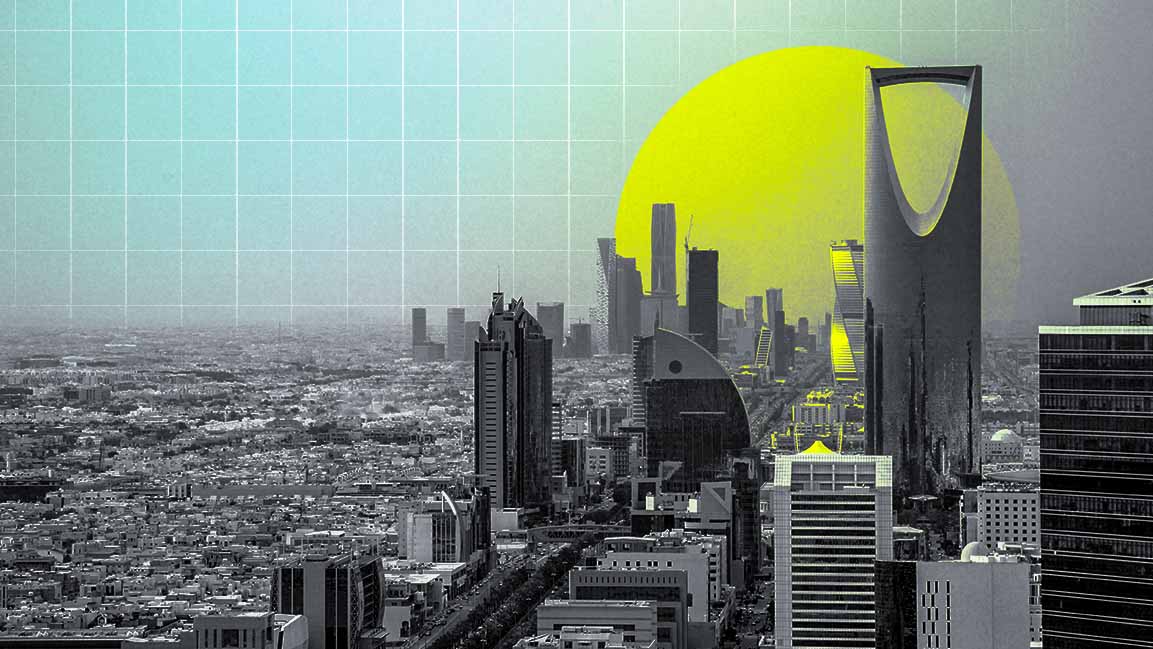
For years, the Gulf has successfully attracted billions in tech investment, leveraging cheaper energy, available land, and proximity to emerging markets to build a world-class digital backbone. That strategy has paid off. The region is now home to a significant and growing share of the world’s core computing infrastructure.
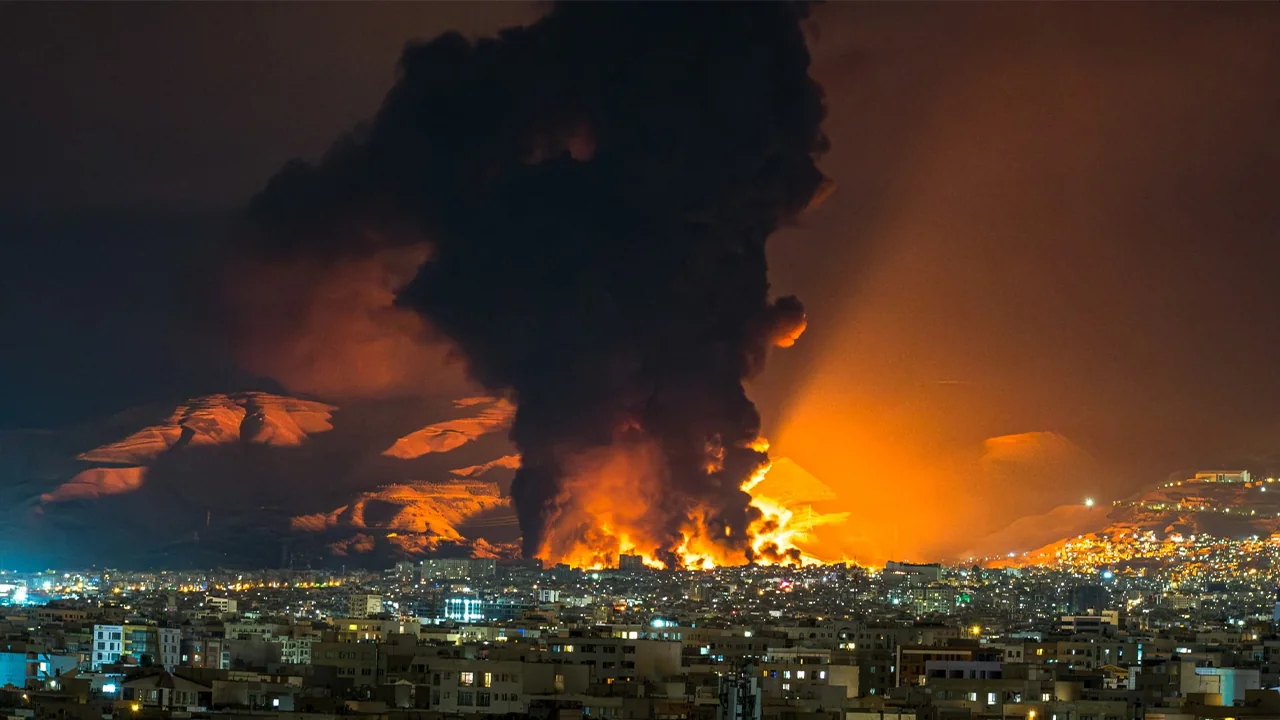
However, recent threats from Iran’s Revolutionary Guard targeting a full stack of companies—from chipmaker Nvidia and cloud providers Microsoft and Google to the UAE-based AI champion G42—make it clear that this infrastructure is no longer flying under the radar. This follows reports of attacks in early March that disrupted AWS-linked data centers, causing service outages across the UAE. The pattern shows that as the region’s AI and cloud ambitions become tangible, the physical hardware powering them becomes a visible and valuable target.
Resilience Becomes the New Mandate
This new reality introduces a fresh layer of operational complexity for founders and tech leaders. Strategic decisions about infrastructure are no longer purely technical matters of capacity and cost. Questions around geographic exposure, data redundancy, and provider diversification are now moving to the top of the C-suite agenda.
For companies building and scaling in the region, the calculus is changing. Relying on a single cloud provider or a single physical location may offer efficiency, but the new environment demands a focus on resilience. Building robust, distributed systems is becoming a core requirement for any serious operator in the MENA region.
A Marker of the Ecosystem’s Maturity
While the threats introduce new risks, they are fundamentally a byproduct of the region’s success. The Middle East is no longer just attracting tech sales offices; it is hosting infrastructure that is critical at a global level. This elevation in status forces a maturation of the ecosystem.
This shift will likely influence how regional governments approach the regulation, protection, and long-term planning of digital assets. For operators and investors, it reframes what it means to build in MENA. It is no longer just about tapping into a high-growth market, but about operating within a system that is increasingly central to the global digital economy—with all the opportunities and complexities that entails.
About G42
G42 is a global leader in creating visionary artificial intelligence for a better tomorrow. From molecular biology to space exploration and everything in between, G42 realizes exponential possibilities, today.
Source: Waya