


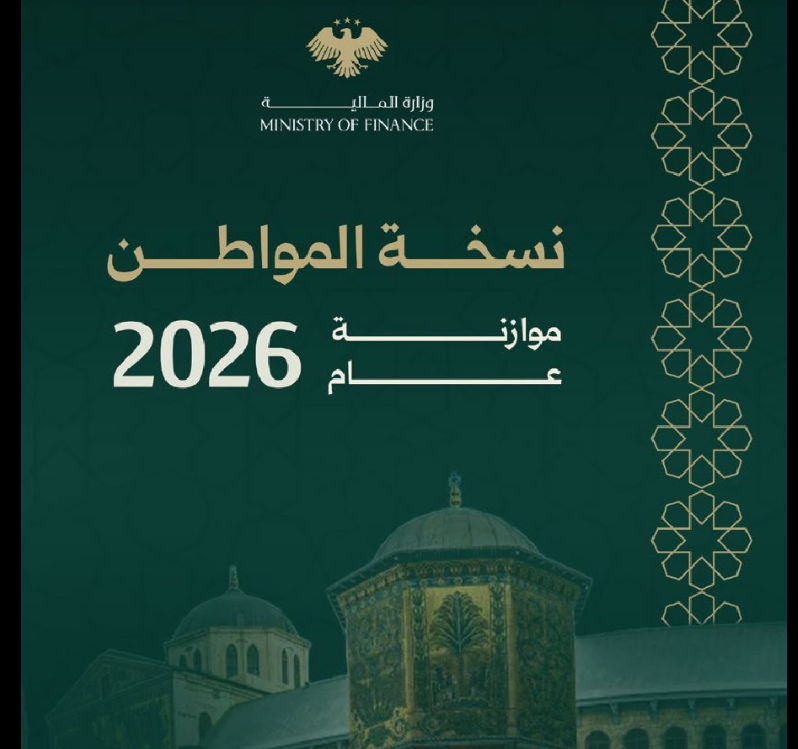
The Syrian Ministry of Finance has released the “Citizen Budget” for the 2026 fiscal year, marking a significant step toward transparency and public engagement. This document simplifies the national budget’s complexities, framing 2026 as the first full year liberated from structural constraints and international isolation. The budget centers on a vision of reconstruction and sustainable development, prioritizing the return of displaced persons and the revitalization of the national economy.
Macroeconomic Outlook and Growth Projections
The Syrian government projects a robust economic recovery for 2026, with GDP growth expected to exceed 10%. This optimism is fueled by the reunification of the country, the resumption of oil and gas production, and the anticipated return of an additional one million Syrian citizens. The government estimates the total GDP will reach approximately $33.7 billion for the year. Furthermore, a conservative exchange rate of 110 New Syrian Pounds to the US Dollar has been adopted for budgetary planning.
Comprehensive Financial Estimates for 2026
The 2026 budget is triple the size of previous years, reflecting an expanded role for the state in reconstruction and service delivery. The financial highlights include:
- Total Estimated Expenditures: $10.516 billion.
- Total Expected Revenues: $8.716 billion.
- Estimated Deficit: $1.799 billion, representing 5.3% of the GDP.
- Revenue Sources: Taxes, fees, and customs account for 50% of income, while oil and gas revenues contribute 28%.
- Spending Priorities: Social sectors, including health, education, and social protection, receive the largest share at 41%, followed by defense and national security at 33%.
Strategic Initiatives for Citizen Welfare
The 2026 budget introduces several major initiatives designed to improve living standards and foster social stability:
- Syria Without Camps: A phased initiative to end the phenomenon of displacement camps by supporting the return of citizens to their original areas and restoring essential infrastructure.
- National Poverty Alleviation Plan: A comprehensive strategy set to launch in 2026, focusing on reducing extreme poverty through economic activation and expanded social safety nets.
- Digital Transformation: The launch of strategic projects like “Barq Net” and “Silk Link” to enhance internet quality and national digital connectivity.
- Housing Expansion: A goal to deliver over 11,000 housing units under social and cooperative housing programs to ease the living burdens on families.
- Wage Reform: Continuous efforts to restructure the public sector wage system to improve purchasing power and attract talent.
About Ministry of Finance
The Ministry of Finance is the central government body responsible for managing Syria’s fiscal policy, preparing the national budget, and overseeing public revenues and expenditures. For the 2026–2030 period, the Ministry is focused on implementing a new competitive tax law, improving the performance of state-owned enterprises, and enhancing financial transparency through regular reporting. Its primary mission is to ensure financial sustainability while providing the funding necess