




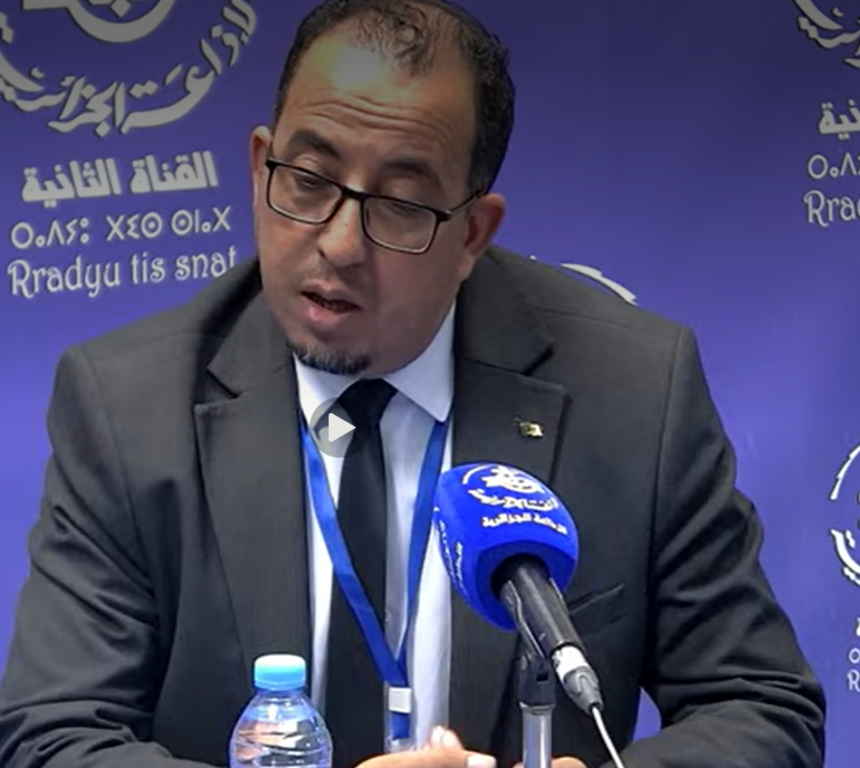
Algeria is beginning to see significant returns on a national strategy designed to embed innovation and entrepreneurship within its university system. Professor Ahmed Mir, Director of Innovation at the Ministry of Higher Education and Scientific Research, detailed the results of a three-year push to transform academic ideas into viable startups and patents, signaling a strategic shift in the country’s economic development.
Quick Facts
- Over 3,200 patent applications filed by students.
- 423 startups created from university projects.
- 134 business incubators established across universities.
From Thesis to Enterprise: A National Blueprint
Speaking on Algerian Radio Channel II’s “Guest of the Morning” program, Professor Mir outlined the success of Ministerial Decree 12-75, a key initiative that allows students to convert their graduation dissertations into startup or micro-enterprise projects.
Over the last three and a half years, this program has engaged nearly 50,000 students. The results have been substantial: approximately 3,200 micro-enterprise projects have secured funding from the National Agency for Entrepreneurship Support and Development (ANADE).
From this pool, 423 ventures have officially been established as startups, with 112 of them earning the official “Startup Label” from the government. The initiative has also spurred the creation of 1,500 innovative projects and encouraged over 700 students to register for the “auto-entrepreneur” (self-employed) status. The most significant outcome, however, has been the surge in intellectual property, with over 3,200 patent applications filed with the National Institute of Industrial Property.
Building the Infrastructure for Innovation
This progress is supported by a robust infrastructure developed under the guidance of the National Committee for Innovation and Entrepreneurship. A network of 134 business incubators has been set up across Algerian universities and public institutions.
The primary objective is to cultivate a culture of innovation directly on campus, aligning with President Abdelmadjid Tebboune’s directive to create 20,000 startups nationwide.
The strategy also leverages the country’s research capabilities. Research centers, laboratories, and digital platforms are being integrated to bridge the gap between academic discovery and industrial application. In a recent move, the Government Council approved 17 innovative projects presented by the Ministry, part of a larger pool of 80 projects targeting critical sectors like agriculture, environment, industry, and renewable energy.
New AI and Cybersecurity Cluster Launched
Highlighting the strategy’s next phase, Mir announced the launch of Algeria’s first startup cluster dedicated to Artificial Intelligence and cybersecurity. The cluster was initiated with a first cohort of 10 specialized companies.
The goal is to consolidate the negotiation power of these startups, enabling them to secure larger investment opportunities and compete more effectively in both national and international markets. This initiative aims to directly translate academic research into applied technology while creating employment opportunities for graduates from specialized schools in the field.
About The Ministry of Higher Education and Scientific Research
The Ministry of Higher Education and Scientific Research in Algeria is the government body responsible for overseeing the country’s higher education system and promoting scientific research and technological development. It plays a central role in implementing national strategies to foster innovation and entrepreneurship within universities and research centers.
Source: Algerian Radio