
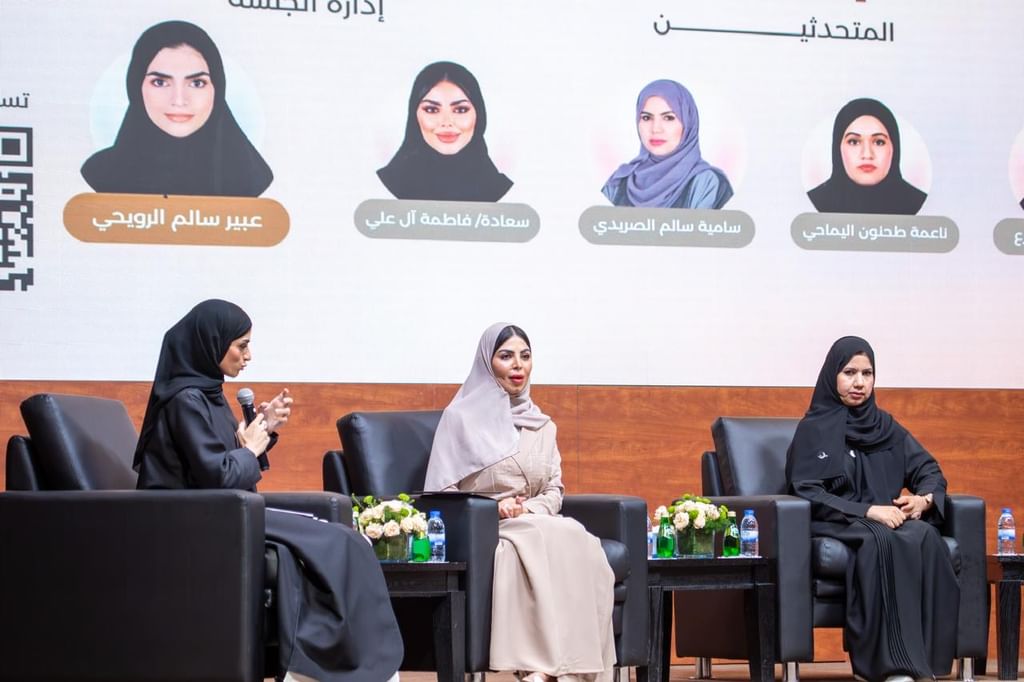

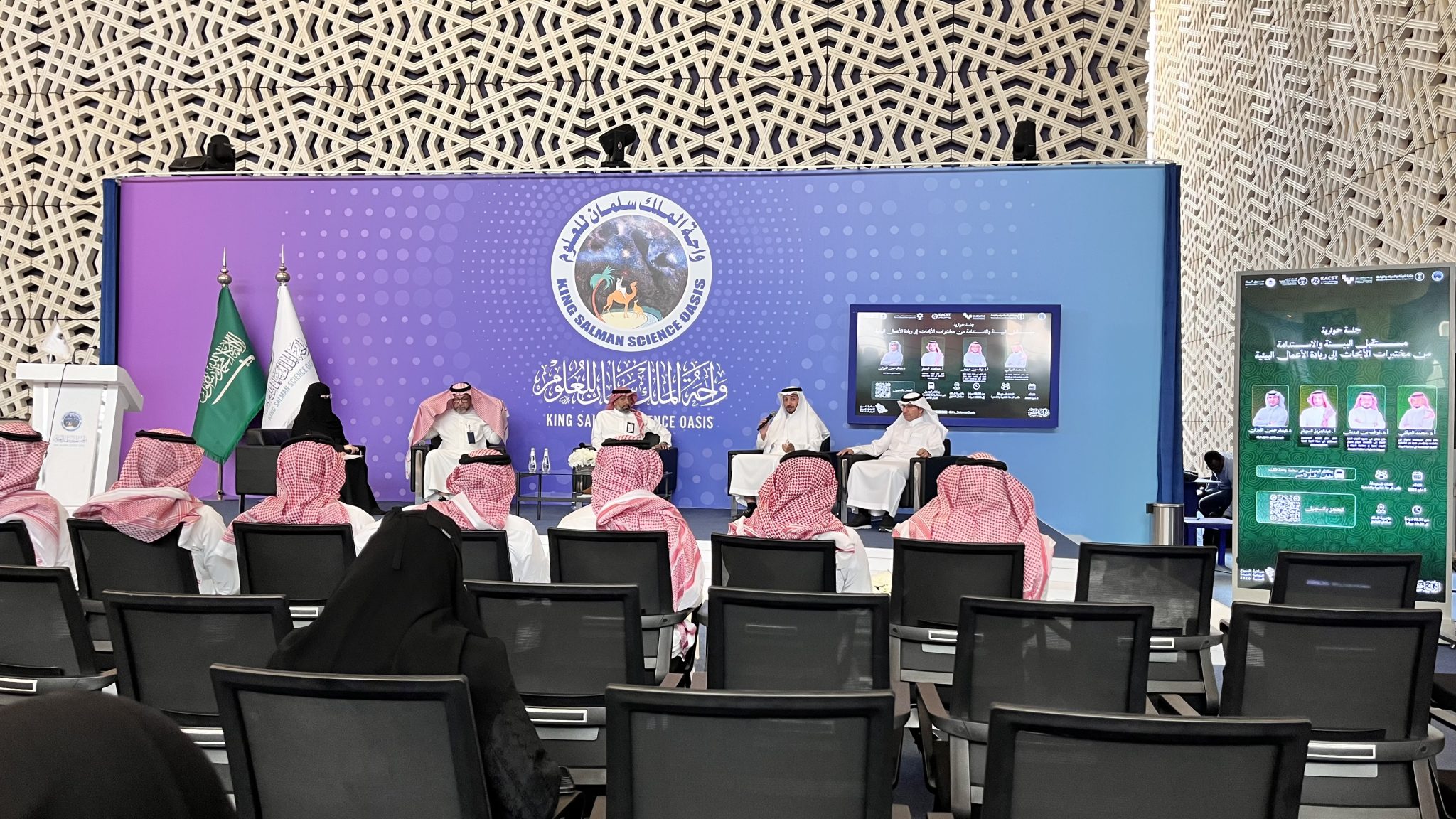
In a clear signal of the Kingdom’s economic direction, a recent panel discussion during Saudi Environment Week framed environmentalism not just as a national priority, but as a major frontier for entrepreneurship and investment. Held at the King Salman Oasis in Riyadh, the session brought together key figures from Saudi Arabia’s environmental and innovation sectors to unpack the opportunities emerging from the nation’s green agenda.
The discussion, titled “The Future of Environment and Sustainability… from Research Labs to Environmental Entrepreneurship,” moved beyond typical climate talking points, focusing instead on the tangible economic framework being built to support a new generation of green tech startups.
Quick Facts
- Panel highlighted green entrepreneurship at Saudi Environment Week.
- The Environment Fund is a key enabler for startups.
- Saudi Vision 2030 positions sustainability as an economic pillar.
A National Strategy for Green Growth
Abdulrahman Al-Fozan, representing the Environment Fund, detailed how sustainability has been woven into the fabric of Saudi Vision 2030. This top-down commitment led to the 2019 launch of the National Environment Strategy, which established five specialized environmental centers.
According to Al-Fozan, the creation of these centers necessitated a financial engine to back their initiatives. “The Environment Fund was established to be the driver and supporter for environmental initiatives and projects,” he explained. He positioned the Kingdom as a “land of opportunities” for any innovator with an idea aligned with modern environmental goals, especially with massive projects like the Saudi Green Initiative setting the tone.
Fueling Innovation and De-Risking Investment
The Environment Fund is not a passive entity. Al-Fozan emphasized its active role in building the ecosystem by supporting research and providing direct financial incentives for green startups.
Crucially for early-stage companies, the fund also offers bank guarantees to help projects secure the financing needed for market entry. This mechanism is designed to de-risk investment in a sector that can often involve high upfront costs and long development cycles, thereby boosting financial sustainability for emerging green businesses.
Investor sentiment is shifting in parallel. Al-Fozan noted that investment bodies are now intensely focused on projects with real-world applicability and market viability, not just theoretical concepts. He pointed out that some investors analyze hundreds of startups due to the high technical and commercial risks, underscoring the need for founders to build their projects with a practical, market-first mindset.
From the Lab to Commercial Viability
The challenge of turning research into a successful product was a key theme. Dr. Abdulaziz Al-Suwailem described research and development as one of the most demanding fields, yet also the foundation for the world’s most successful corporations.
“The biggest challenge facing researchers today is keeping pace with market changes and modern expectations,” Dr. Al-Suwailem stated. He stressed the need for innovators to move from traditional tools to modern ones to create competitive products.
Adding to the human side of the entrepreneurial journey, Dr. Mohammed Al-Moaiqel highlighted that the most difficult stage is often the “change of mindset.” He reminded the audience that a large percentage of startups fail, making persistence and continuous learning essential ingredients for success. This blend of cutting-edge R&D and founder resilience is seen as critical for the green tech sector to thrive.
About The Environment Fund
The Environment Fund is a Saudi governmental entity established to enhance environmental sustainability by providing financial support for initiatives, projects, and research in the environmental sector. It plays a pivotal role in achieving the goals of the National Environment Strategy and Saudi Vision 2030 by stimulating private sector investment and enabling the growth of the Kingdom’s green economy.
Source: Makkah News