





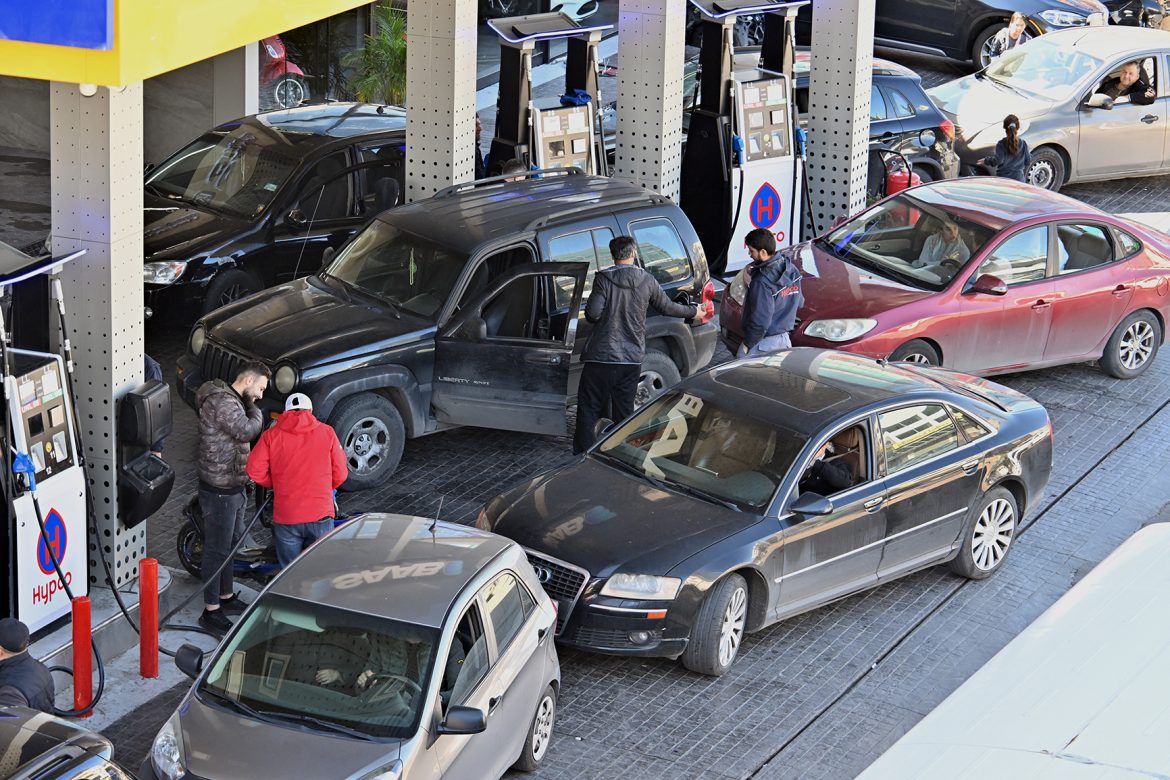
Lebanon’s tentative economic stabilization has been disrupted by the April 2026 escalation of war, with rising fuel costs, damaged infrastructure and losses across agriculture worsening pressure on households and businesses.
The Central Administration of Statistics said consumer prices rose 6.9% between January and March 2026. Transportation costs increased 21.6%, while water, electricity, gas and other fuels rose 17.6%. Food and non-alcoholic beverage prices climbed 8.4%, with meat, vegetables and fruit recording increases of nearly 14% to more than 16%.
The conflict has also damaged farmland, greenhouses and irrigation systems, particularly in southern Lebanon. A Ministry of Agriculture report said 22% of the country’s agricultural land had been affected by bombing, although it did not clarify the period covered. Farmers have also struggled to reach their land and harvest crops, while damaged orchards could take four to five years to return to full production, according to experts cited by Executive.
Water and energy systems face additional strain. Oxfam reported damage to at least seven critical water facilities, while solar-powered pumping systems in the south were also affected. Lebanon’s reliance on imported fuel and private generators is amplifying the impact, pushing up operating costs and consumer prices.
The resulting burden is falling largely on farmers, households and public institutions, with reconstruction likely to depend on donor funding, borrowing and private losses.
Source: Executive Magazine