



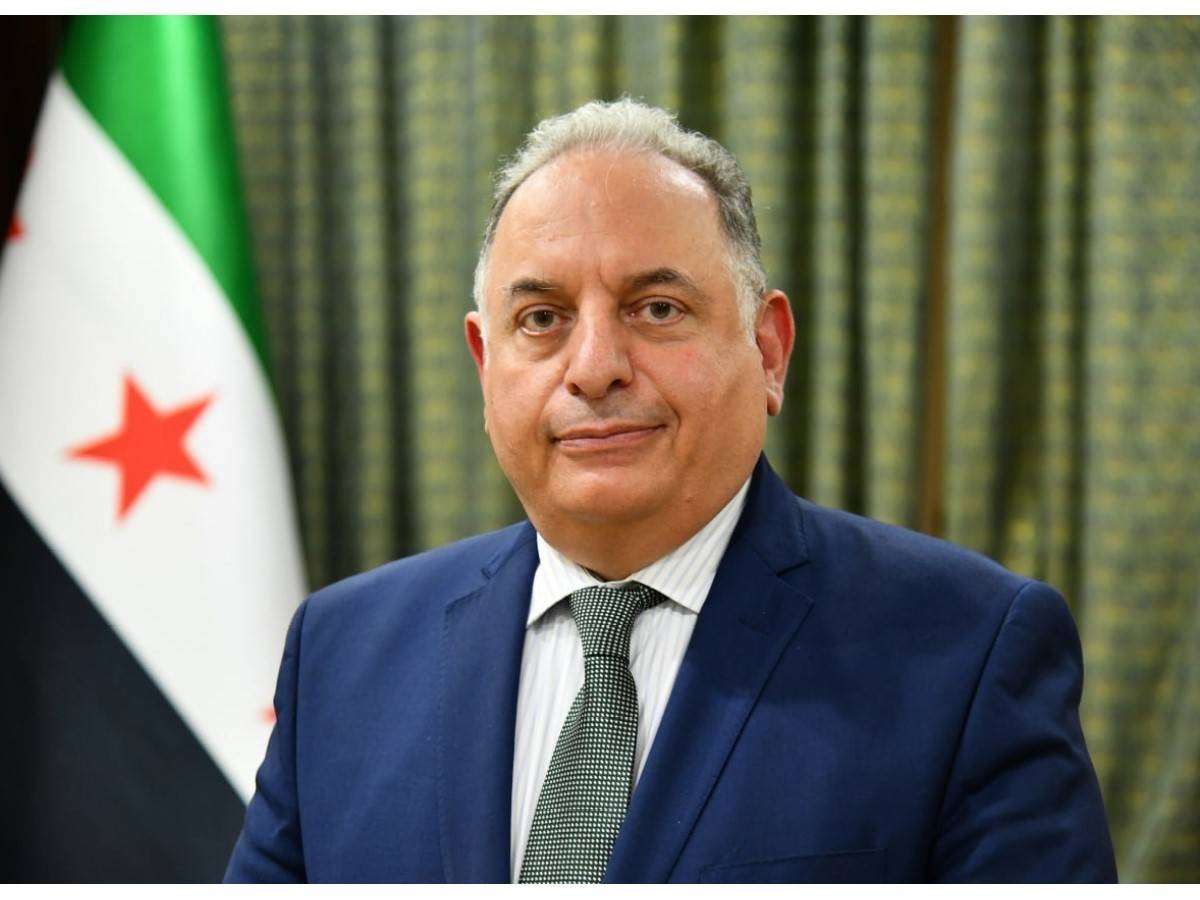
Syria is undertaking a significant economic overhaul, shifting from a centrally planned system to a private sector-driven model, with key support from Qatar. In an interview with Qatar News Agency, Syrian Minister of Finance Mohammed Yasser Barnieh detailed plans to restructure the nation’s financial and banking sector in partnership with the Qatar Fund for Development (QFFD) to attract investment after years of conflict-driven stagnation.
Quick Facts
- Key Partnership: Syria and Qatar Fund for Development (QFFD).
- Economic Goal: Shift from a state-run to a private sector-led economy.
- Growth Target: Double the national economy’s size within five years.
From Stagnation to Strategy: The Qatari Role
After a prolonged period of economic inertia, Syria is moving to build a model based on productivity and investment. Minister Barnieh described the cooperation with QFFD as a “very important strategic step” in this transformation. He explained that the Syrian economy is transitioning from a “rentier model based on central planning to an economy that relies on the leadership of the private sector.”
Qatari support is viewed as a fundamental lever for these economic reforms. Existing Qatari investments, particularly in the energy sector, are already contributing to projects aligned with Syria’s general economic policies and bolstering efforts to rebuild the financial system.
Tackling Deep-Rooted Financial Challenges
The minister outlined several structural hurdles facing Syria’s financial sector. These include a severe shortage of capital, eroded by currency devaluation and a shrinking economy, which has led to an almost complete disconnection from international financial markets.
Further challenges include a decline in reinsurance relationships, a drastically reduced number of correspondent banks, and a “clear gap in communication with foreign capital.” The country is also dealing with a depleted workforce due to the emigration of financial experts and weak infrastructure, with sanctions restricting access to modern financial technology. Barnieh stressed that addressing these issues requires an integrated approach combining financial and monetary policy reforms with strong governance and anti-corruption measures.
Building a Framework for Trust and Growth
To restore confidence and functionality, Syria is implementing several key initiatives. A specialized academy for financial skills is in development, and the accounting and auditing board is set to be transformed into a council for governance, auditing, and financial professions to promote integrity.
Work is also underway to assess structural gaps, particularly within public banks which dominate the sector. This includes preparing a medium-term financial framework to link the macroeconomic situation with public finances, aiming for a balanced budget that stimulates growth. To support these efforts, Syria is in near-weekly communication with the World Bank and the International Monetary Fund (IMF) for technical expertise and capacity building.
Barnieh noted that restoring investor confidence starts with a state capable of managing the economy efficiently, and that early signs of this are appearing through new investments in several sectors. The government has affirmed its commitment to not crowding out the private sector while focusing on key development areas like energy, communications, transport, agriculture, and tourism.
About Qatar Fund for Development
The Qatar Fund for Development (QFFD) is a Qatari public development institution that provides financial assistance to developing countries on behalf of the State of Qatar. The fund focuses on projects in education, health, and economic empowerment to promote sustainable development and social welfare globally.
Source: Qatar News Agency