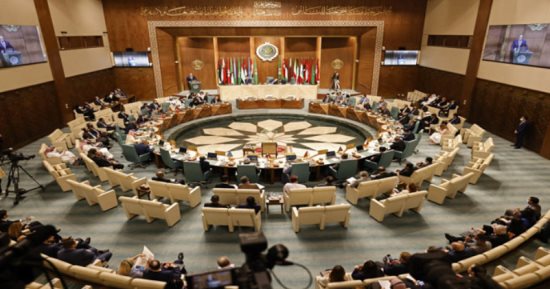



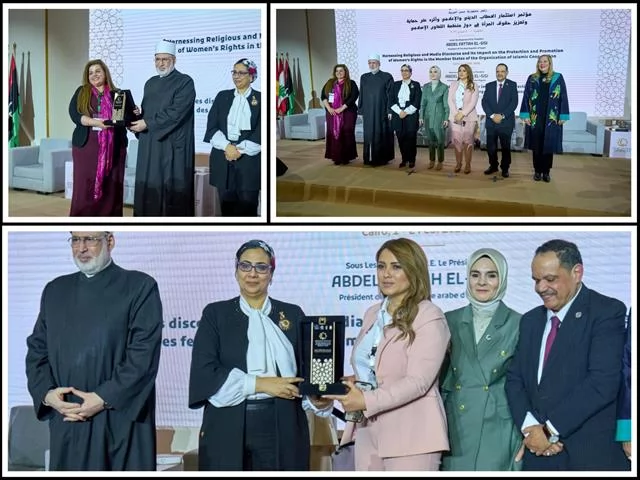
A high-level conference in Egypt, “Investing in Religious and Media Discourse and its Impact on Protecting and Promoting Women’s Rights,” recently underscored the critical importance of female entrepreneurship in driving economic progress and innovation across member states of the Organisation of Islamic Cooperation (OIC). The event was organized by Egypt’s National Council for Women, Al-Azhar, and the Women Development Organization (WDO).
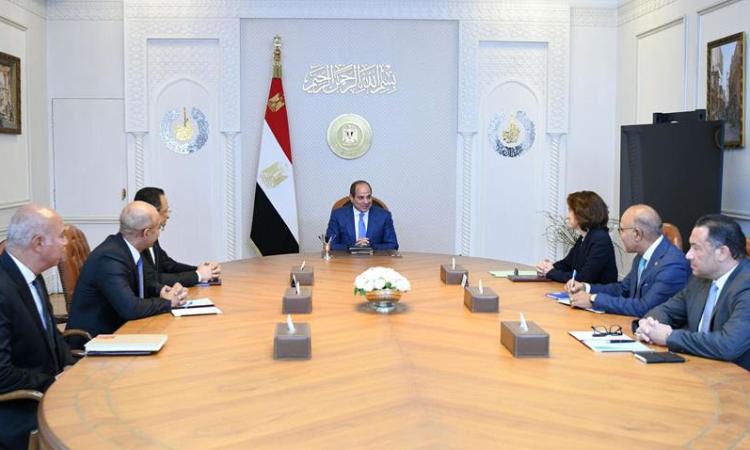
Held from February 1-2 under the patronage of President Abdel Fattah El-Sisi, the conference convened key government officials, experts, and leaders to discuss best practices for empowering women economically and socially.
Best Practices in Women’s Entrepreneurship
A key session titled “Women and Entrepreneurship: Best Practices” was chaired by Mahinur Özdemir Göktaş, Minister of Family and Social Services of the Republic of Turkey. Göktaş praised Egypt’s leadership in presenting pioneering models for women’s empowerment and highlighted the vital role of female entrepreneurs in fostering innovation and contributing to national GDP.
Professor Topu Khanum Gasimzadeh of the Azerbaijan National Academy of Sciences shared insights from her country, noting that women hold a significant number of leadership positions and represent over 50% of entrepreneurs. This success is attributed to state policies that guarantee their socio-economic rights and promote transparency, equality, and equal opportunity.
National Strategies and Global Support
Dr. Raafat Abbas, an advisor to the head of Egypt’s Micro, Small, and Medium Enterprises Development Agency (MSMEDA), affirmed that the country has established clear plans for women’s development, education, and economic empowerment. These initiatives include joint projects with international institutions to train women in producing high-quality, competitive products for both local and global markets.
In a recorded address, Dr. Sima Bahous, Executive Director of UN Women, emphasized that empowering women is a global imperative for building more just and inclusive societies. She highlighted the United Nations’ commitment to supporting women’s participation in development plans aligned with the Sustainable Development Goals (SDGs).
Shaping the Narrative Through Media and Culture
Engineer Aroub Al-Abadi, media spokesperson for Jordan’s Ministry of Social Development, spoke on the power of conscious religious and media discourse in reshaping the public image of women. She argued that presenting positive role models is essential for supporting female economic leadership and building societal trust in their capabilities.
Dr. Amani Asfour, President of the African Alliance for Women’s Empowerment, concluded the session by stressing the importance of invoking inspiring historical figures, such as Sayyida Khadija, in religious discourse. She stated that such examples reinforce the legitimacy of women’s work and economic empowerment, ensuring they have equal opportunities to achieve their goals without discrimination.
About The National Council for Women
The National Council for Women (NCW) is Egypt’s national machinery responsible for promoting the advancement of women and ensuring they play their rightful role in the country’s development. The council works on proposing public policies related to women’s development and empowering them to actively participate in all aspects of economic, social, and political life.
Source: Gomhuria Online