


H.H. Sheikh Hamdan bin Mohammed bin Rashid Al Maktoum, Crown Prince of Dubai and Chairman of The Executive Council of Dubai, has approved a sweeping AED 18 billion package of strategies and projects designed to accelerate the emirate’s economic and social growth. The initiatives, which align with the Dubai Plan 2033 and Dubai Social Agenda 33, cover a wide range of sectors including digital governance, infrastructure, investment, and finance.
Quick Facts
- AED 18 billion approved for new projects and strategies.
- Focus on infrastructure, trade, investment, and digital governance.
- Supports Dubai’s long-term D33 economic agenda.
An AED 18 Billion Infrastructure Overhaul and AI-Powered Urban Planning
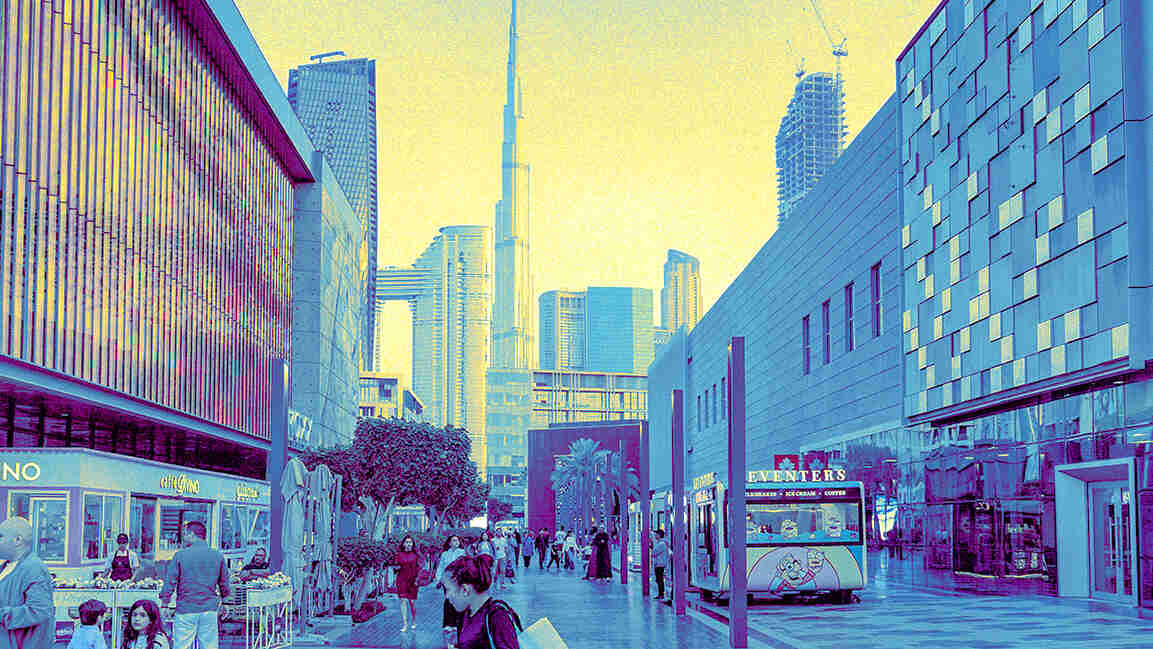
A significant portion of the new budget is dedicated to a major infrastructure update. The First Al Khail Street Development Plan, valued at AED 18 billion ($4.9 billion), will feature a 15-kilometre elevated corridor running parallel to Sheikh Zayed Road. Construction is set to begin in the third quarter of 2027 and is slated for completion by the end of 2030. The project is expected to serve approximately 2.6 million residents, reduce peak-hour travel times on Sheikh Zayed Road by 51%, and add capacity for about 9,000 vehicles per hour.
In a move towards smarter city management, the Council also approved Dubai Population Now. This initiative, led by the Dubai Data and Statistics Establishment, will use artificial intelligence and predictive analytics to provide a real-time population clock. The live data is intended to support more effective policymaking in critical areas like housing, healthcare, transport, and urban planning.
Strengthening Trade, Investment, and Islamic Fintech
To reinforce its status as a global business hub, Dubai is launching several initiatives focused on the economy. The Dubai Customs Strategy 2030 aims to streamline trade operations, strengthen economic partnerships, and improve the overall customer experience for importers and exporters.
To further simplify business operations, the Dubai Investor Register was launched as a unified platform for all institutions and investors in the emirate. This register is a key component of the Dubai Economic Agenda D33, helping to reduce administrative hurdles and support the goal of attracting $177 billion in foreign direct investment by 2033.
The emirate is also doubling down on financial innovation with the establishment of the Global Center for Technology and Innovation in Islamic Finance. Managed by the Dubai International Financial Center (DIFC) in collaboration with global partners, the center aims to secure Dubai’s position in the Islamic fintech market, which is projected to hit $9.31 trillion by 2030.
Fostering Creativity and Emirati Talent
The Dubai Cultural Strategy 2033 was approved to establish Dubai as a global hub for culture and creativity. With 40 planned initiatives, the strategy aims to support over 6,000 local talents, attract more than 6,000 international creatives, and boost the cultural sector’s contribution to the emirate’s GDP to 5.4%.
On the human capital front, the Emirati Talents Strategy in Private Education seeks to increase the number of Emiratis in the private education sector to 3,000 by 2033. This will be achieved through teacher qualification programs, defined employment pathways, and flexible Emiratization models.
About The Executive Council of Dubai
The Executive Council of Dubai is the primary decision-making body of the Government of Dubai. Chaired by H.H. Sheikh Hamdan bin Mohammed bin Rashid Al Maktoum, it is responsible for developing and implementing public policies and strategies that drive the emirate’s economic, social, and urban development.
Source: Fast Company Middle East