

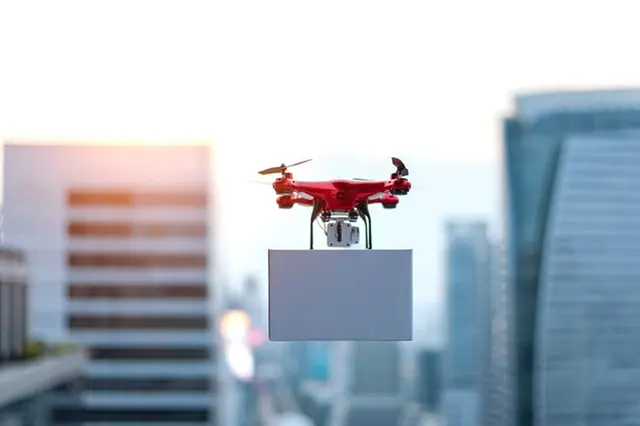
Saudi Arabia’s General Authority of Civil Aviation (GACA) has issued the Kingdom’s first permit for drone-powered medical delivery services during the Hajj season, a landmark move to integrate advanced aviation technology into healthcare logistics at one of the world’s largest religious gatherings.
Quick Facts
- First official permit for Hajj medical drone flights.
- Aims to speed up emergency medical supply transport.
- Part of Saudi Arabia’s broader Vision 2030 strategy.
Tackling Hajj’s Unique Logistical Hurdles
The new authorization permits unmanned aerial vehicles (UAVs) to transport vital medical supplies and healthcare materials across Hajj sites. This initiative directly addresses the challenge of moving critical items through highly congested areas, where traditional ground transport can be slow and inefficient.
By using drones, Saudi authorities expect to significantly cut down delivery times for medical essentials, from blood products to lab samples. The goal is to strengthen emergency response capabilities and give healthcare providers faster access to the resources they need to serve pilgrims and personnel on the ground.
A Key Test for Vision 2030’s Tech Ambitions
This permit is more than just a logistical upgrade; it reflects Saudi Arabia’s commitment to embedding emerging technologies into public services, a core objective of Vision 2030 and the National Aviation Strategy. The Hajj pilgrimage has become an important stage for deploying new solutions, including AI-driven crowd management, smart communication networks, and automated services.
GACA noted that the approval aligns with the Kingdom’s push to build a future mobility ecosystem while adhering to strict safety and regulatory oversight. The successful deployment of drone technology in such a complex environment demonstrates growing confidence in its operational readiness for critical public-sector use.
Setting a Precedent for Advanced Air Mobility
The decision to authorize medical drone flights during Hajj positions Saudi Arabia among the early adopters of advanced air mobility for practical public service. Hajj presents one of the most demanding logistical challenges globally, making it an ideal environment to test and prove the viability of autonomous technologies in a real-world setting.
Globally, healthcare is a leading sector for drone delivery adoption, especially in remote or hard-to-reach locations. This move signals a new level of regulatory maturity in the Kingdom, creating a framework for autonomous systems to operate safely within a critical national event. It also highlights the country’s ambition to become a regional leader in advanced aviation and autonomous transport.
About The General Authority of Civil Aviation (GACA)
The General Authority of Civil Aviation (GACA) is the regulatory body responsible for overseeing air transport services in the Kingdom of Saudi Arabia. It develops and implements regulations for aviation safety and security, manages Saudi airports, and works to advance the Kingdom’s aviation sector in line with international standards.
Source: MEA TechWatch