
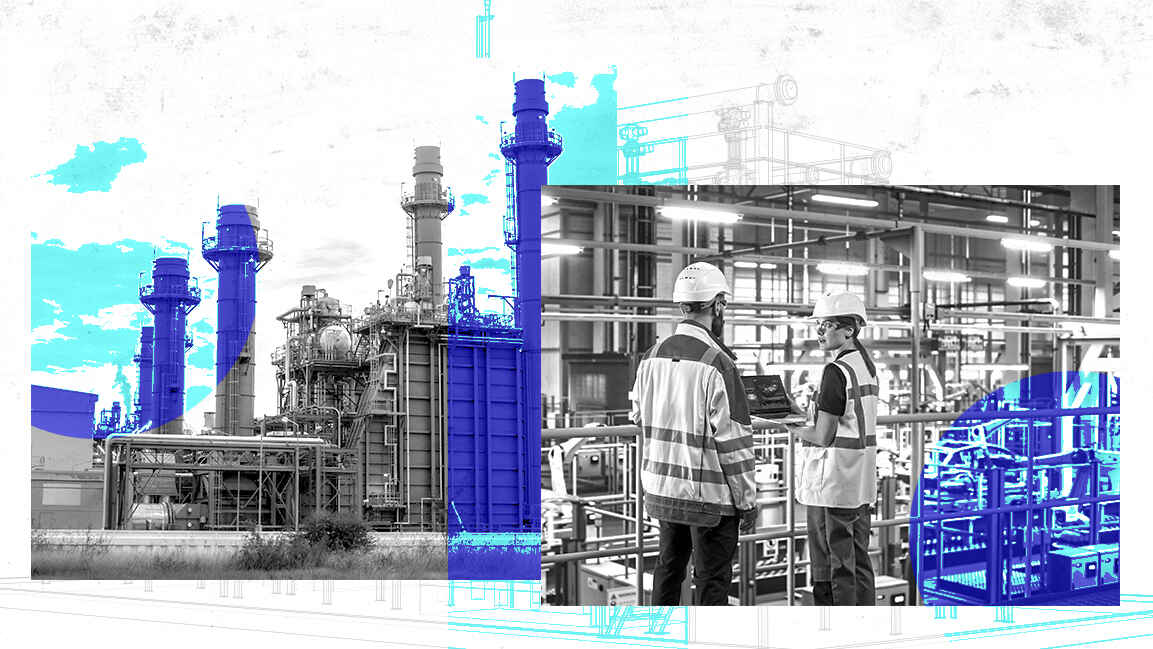
Saudi Arabia’s long-term strategy to build a powerful industrial base is hitting a significant new scale, with total investments in its key industrial cities exceeding SR1.5 trillion ($400 billion), according to a new report from the Royal Commission for Jubail and Yanbu. This figure underscores the Kingdom’s aggressive push to diversify its economy away from oil and establish itself as a global industrial and logistics powerhouse.
Quick Facts
- Total investments surpass $400 billion.
- Central pillar of the National Industrial Development Program.
- Aims to accelerate non-oil sector GDP growth.
A Pillar of National Strategy
This massive investment is a direct result of the National Industrial Development and Logistics Program (NIDLP), a cornerstone of the Kingdom’s broader economic transformation plan. The program is designed to develop and integrate core sectors like manufacturing, mining, energy, and logistics, making them more attractive to global and local investors.
The influx of capital also aligns with the National Industrial Strategy, which aims to strengthen local industries and expand Saudi Arabia’s production base. The ultimate goal is to increase the economic contribution of non-oil sectors and enhance the Kingdom’s overall competitiveness on the world stage.
Decades in the Making
The foundation for this industrial growth was established nearly five decades ago. The Royal Commission was founded in 1975 with a mandate to transform Jubail and Yanbu into integrated industrial hubs. By using the country’s vast hydrocarbon resources, it created downstream petrochemical and manufacturing ecosystems complete with essential infrastructure, from ports to industrial services.
The establishment of the Saudi Basic Industries Corp. (SABIC) in 1976 further accelerated this growth, helping to build a petrochemical sector that now competes globally. Over the years, Jubail and Yanbu have become critical to Saudi Arabia’s industrial output and export capacity.
An Integrated Ecosystem
Today, the entire industrial effort is coordinated through the NIDLP, which aligns the work of several key government bodies. This includes the Saudi Authority for Industrial Cities and Technology Zones (MODON), the Saudi Industrial Development Fund (SIDF), and the Ministry of Industry and Mineral Resources. This coordinated approach ensures that financing, land development, and sector-specific expansion strategies are all working in unison to drive the Kingdom’s industrial ambitions forward.
About The Royal Commission for Jubail and Yanbu
Established in 1975, the Royal Commission for Jubail and Yanbu is the government entity responsible for planning, developing, and managing the industrial cities of Jubail and Yanbu. It focuses on creating integrated industrial and residential communities to support Saudi Arabia’s long-term economic diversification goals.
Source: Fast Company Middle East