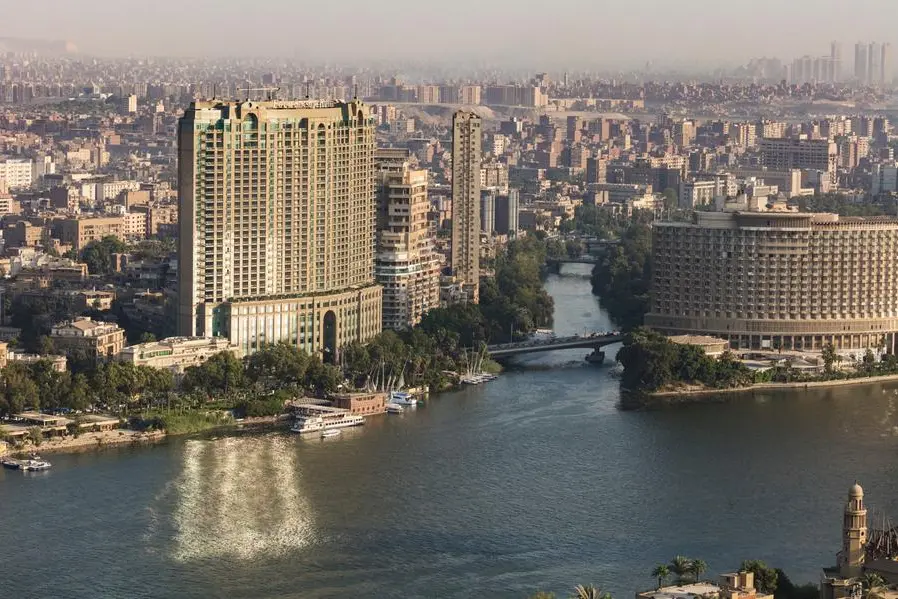



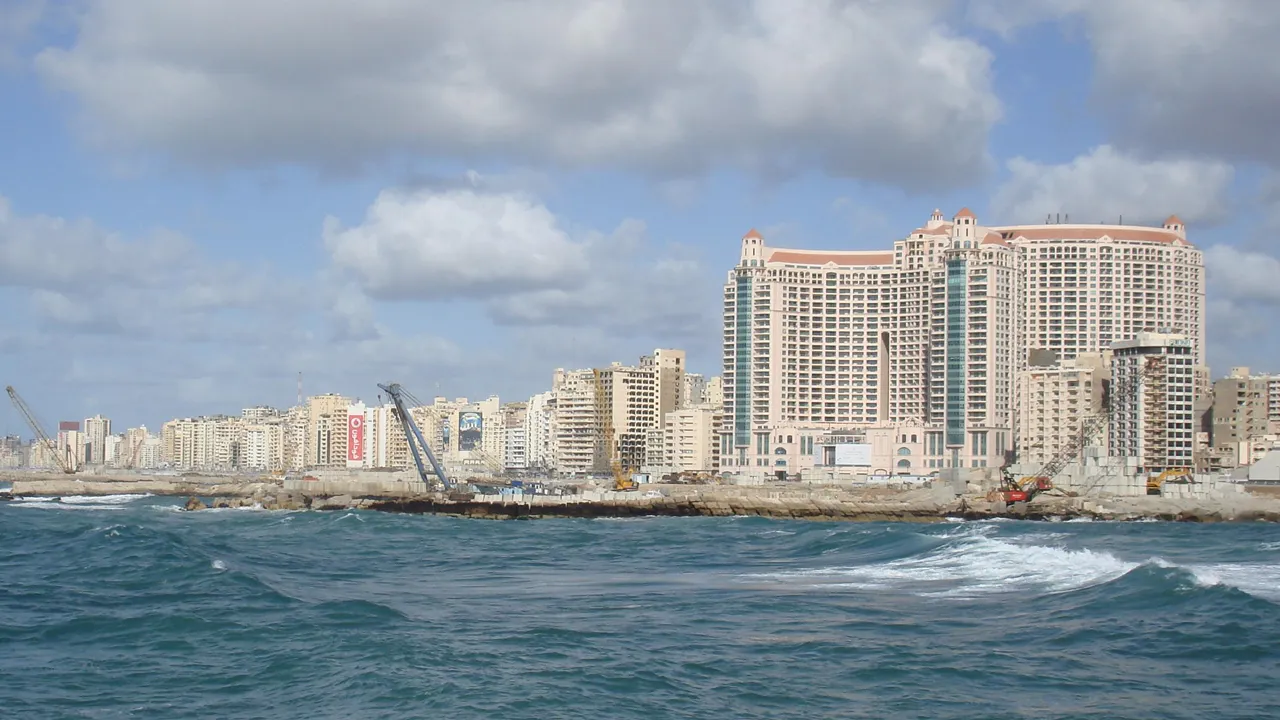
With nearly $5 trillion in assets, the Gulf’s sovereign wealth funds (SWFs) like Saudi Arabia’s Public Investment Fund, Qatar Investment Authority, and Abu Dhabi’s ADIA and Mubadala have become some of the world’s most powerful investors. After deploying over $82 billion into global markets in 2023 alone, a new argument is emerging: the time is ripe for these capital giants to pivot their focus homeward, transforming the region’s most fragile economies into hubs of innovation and resilience.
Quick Facts
- GCC SWFs collectively manage nearly $5 trillion.
- Gaza’s reconstruction needs are estimated at over $71 billion.
- GCC funds deployed over $82 billion globally in 2023.
A Strategic Shift from Global Deals to Regional Stability
While GCC sovereign funds have aggressively expanded their portfolios from Silicon Valley to Asia, their next major play could be much closer to home. The enormous capital, institutional expertise, and long-term investment horizons of these funds position them uniquely to tackle the economic instability plaguing conflict-affected nations in the Middle East.
This isn’t just about philanthropy. As global capital becomes more cautious amidst geopolitical uncertainty, investing in neighboring economies like Palestine, Lebanon, and Syria is shifting from a political consideration to a strategic economic imperative. A stable and economically integrated region offers more sustainable long-term returns than isolated global ventures.
Turning Fragility into Financial Opportunity
Traditional investors are often deterred by the volatility of post-conflict markets. SWFs, however, operate with patient capital, allowing them to absorb short-term risks while targeting structural returns over decades. By acting as anchor investors, they can fundamentally reshape market sentiment.
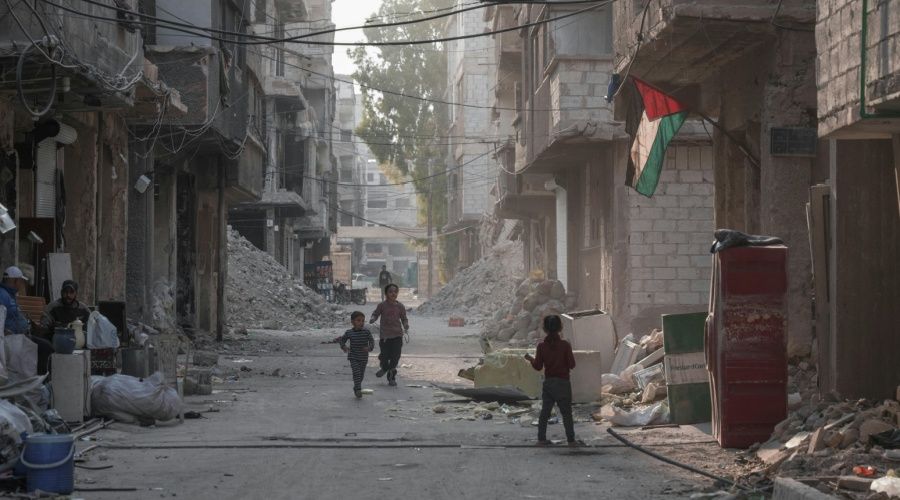
The financial needs are staggering. A joint UN, EU, and World Bank assessment projects Gaza’s rebuilding costs could exceed $71 billion over the next decade. Lebanon requires an estimated $11 billion for recovery, while Syria faces one of the largest reconstruction challenges globally. These gaps, while daunting, also represent a significant opportunity. The entry of a major GCC fund can de-risk the environment, restoring confidence and attracting a wider pool of private and institutional capital that would otherwise stay on the sidelines.
Rebuilding More Than Roads: A Tech-First Approach
Modern reconstruction is no longer limited to physical infrastructure like roads and ports. The real, long-term value lies in building modern digital economies. This includes creating financial infrastructure, developing AI capabilities, investing in logistics technology, and fostering robust healthtech and SME ecosystems.
For GCC sovereign investors, this aligns perfectly with their diversification goals. Financing reconstruction becomes an investment in future regional integration and connectivity. Fragile economies, rebuilding from the ground up, can become testbeds for new economic models and innovation-led industries, creating a direct pipeline of opportunities that benefit the entire region’s trade routes, logistics networks, and digital infrastructure.
Unlocking Latent Regional Potential
The narrative must shift from aid to strategic investment. Palestine, Lebanon, and Syria possess structural advantages often overlooked, including highly educated talent pools, a deep-rooted entrepreneurial spirit, and powerful global diaspora networks ready to support innovation.
By channeling even a fraction of their multi-trillion-dollar assets into the private sector recovery and innovation infrastructure of these economies, GCC sovereign wealth funds can do more than just rebuild. They can unlock transformative opportunities, fostering a more interconnected and economically resilient Middle East for decades to come.
About GCC Sovereign Wealth Funds
Gulf Cooperation Council (GCC) sovereign wealth funds are state-owned investment funds that manage the national reserves of countries including Saudi Arabia, the UAE, Qatar, and Kuwait. They are among the largest and most active institutional investors globally, with mandates to diversify national economies away from oil dependence by investing across a wide range of asset classes, including technology, real estate, infrastructure, and public equity.
Source: Wamda