


A new report from global leadership advisory firm Heidrick & Struggles reveals a critical divergence in boardroom priorities across the Middle East. While regional leaders report high confidence in managing cybersecurity risks, their readiness to handle the rapid advance of artificial intelligence lags significantly behind global counterparts, signaling a potential strategy gap as AI integration accelerates.
Quick Facts
- 49% of MENA leaders identify cybersecurity as a top 2026 risk.
- Only 36% are confident in managing AI, below the global average.
- Regional confidence in maintaining company culture is the lowest surveyed.
Cybersecurity Mastery vs. AI Uncertainty
According to the Heidrick & Struggles CEO & Board Monitor report, which surveyed 148 leaders in the Middle East, cybersecurity has become a dominant issue. Nearly half (49%) of respondents cited it as a primary organizational risk for the year, a figure well above the 31% global average. This concern is matched by a strong belief in their ability to manage it, with 58% of MENA leaders feeling confident in their cyber-risk strategies, compared to 51% globally.
In stark contrast, artificial intelligence presents a more challenging picture. While 47% of regional leaders recognize AI as a major issue—the highest proportion of any region surveyed—only 36% feel confident in their organization’s ability to manage it. This suggests that governance frameworks and leadership capabilities are still catching up to the technology’s rapid evolution.
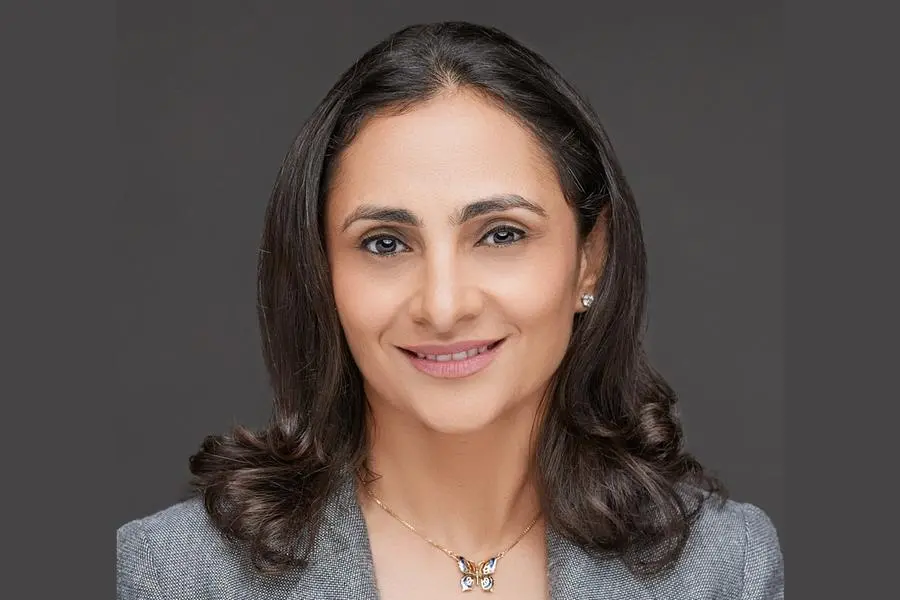
“Cybersecurity confidence in this region is well-earned, but AI is a different kind of challenge entirely. It is moving faster than most governance structures were designed to handle, and that gap is real,” said Maliha Jilani, Partner-in-Charge at Heidrick & Struggles Middle East & North Africa. “Boards that are ahead of this are already thinking differently, whether that means refreshing board composition to bring in AI expertise, or establishing dedicated advisory structures that can keep pace with technology.”
The Cultural Impact of Tech Transformation
The survey also highlights a growing concern over corporate culture amid rapid technological and geopolitical shifts. Only 46% of Middle East leaders reported confidence in their organization’s ability to maintain a healthy culture, the lowest level among all regions surveyed and notably below the 55% global average.
This finding points to the immense pressure that AI integration and broader transformation efforts are placing on the workplace.
“The board’s role in culture is often underestimated. Appointing a strong CEO is a great step, but boards must actively evaluate whether the organisation’s culture is keeping pace with transformation in the workplace,” commented Dr. Jay Bevington, Global Board Advisory Leader in the Middle East & North Africa. “In an era of AI-driven change… that scrutiny needs to be sharper than ever. Both CEOs and boards must play active roles in steering cultural direction.”
About Heidrick & Struggles
Heidrick & Struggles is a premier provider of global leadership advisory and on-demand talent solutions, serving the senior-level talent and consulting needs of the world’s top organizations. The firm has been an advisor on executive leadership for more than 70 years, helping organizations discover and enable outstanding leaders and teams.
Source: Zawya