


Egypt’s National Council for Women (NCW) and the new Egyptian Intellectual Property Authority (EIPA) have signed a cooperation protocol aimed at protecting the creative and innovative work of Egyptian women. The agreement is designed to foster a culture of intellectual property awareness among female innovators, artisans, and entrepreneurs, ultimately helping them secure and monetize their creations.
Quick Facts
- New pact to protect women’s intellectual property rights.
- Aims to maximize economic returns for female creators.
- Part of Egypt’s Vision 2030 and National IP Strategy.
A Strategic Push for Economic Empowerment
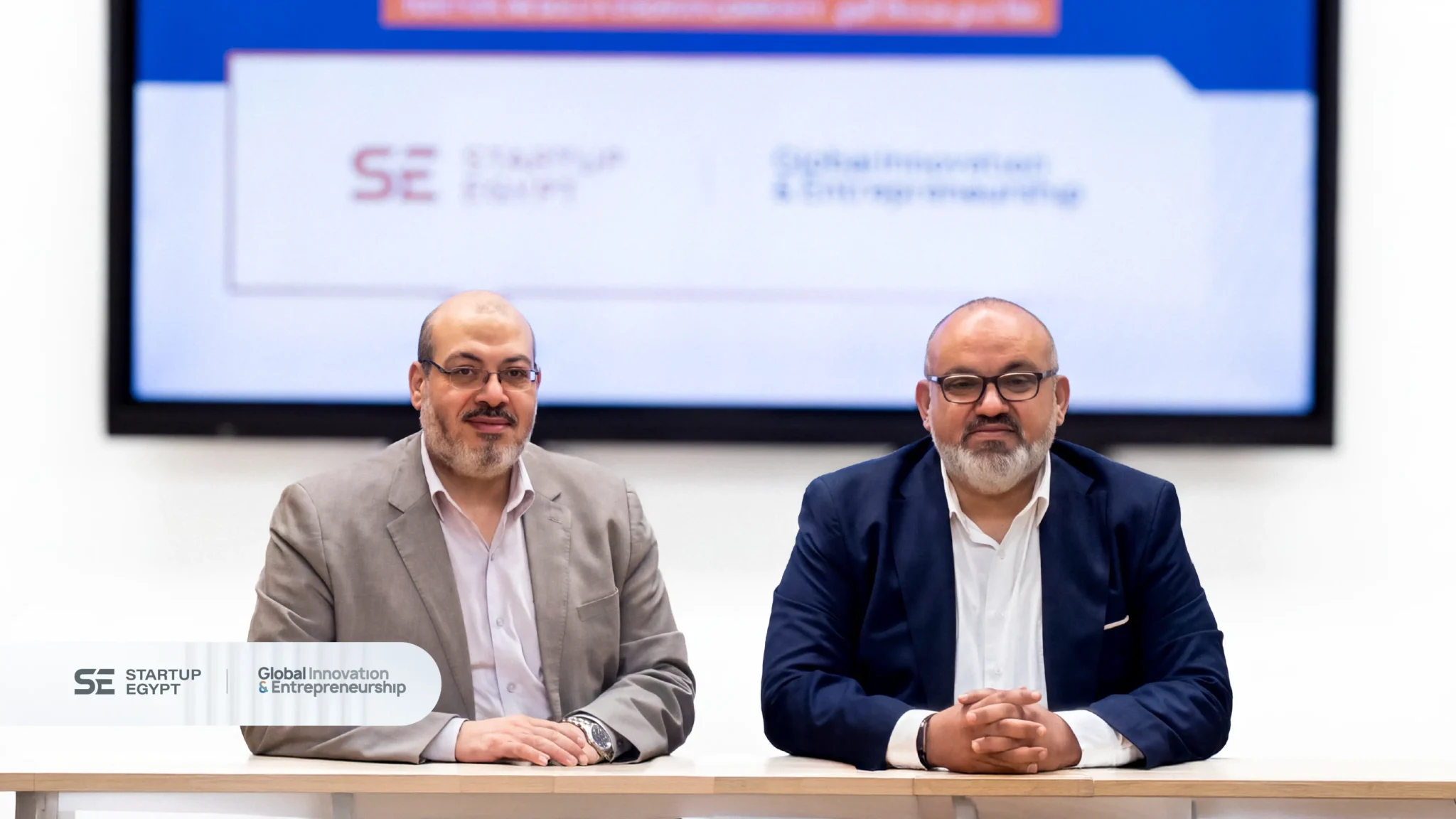
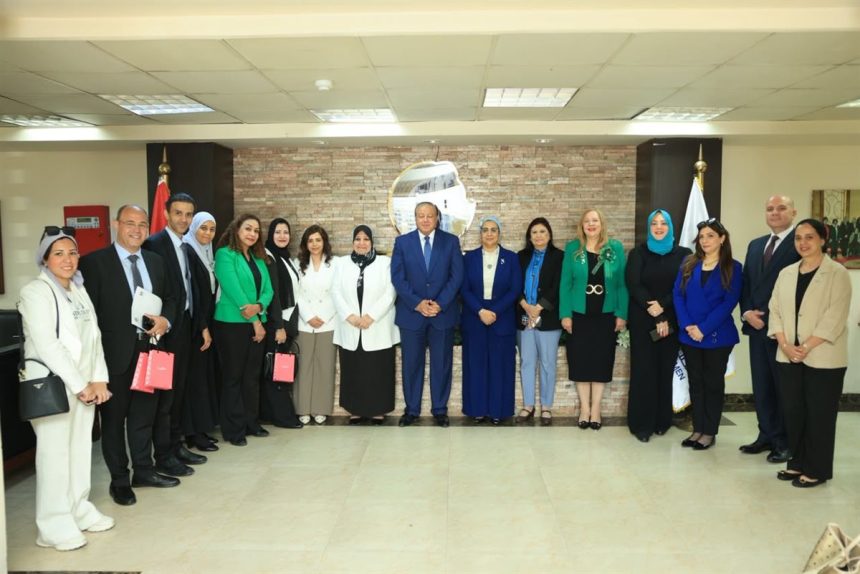
The collaboration was announced in a signing ceremony attended by Counselor Amal Ammar, President of the NCW, and Dr. Hisham Azmy, Chairman of the EIPA. Counselor Ammar stated that the protocol represents a significant step in the national effort to economically empower Egyptian women and solidify their role in the country’s development.
The initiative aligns with Egypt’s broader strategic goals, including the Vision 2030 plan and the National Intellectual Property Strategy. The government views investment in knowledge and innovation as a key driver for sustainable development and a more competitive, knowledge-based economy. Dr. Azmy noted that intellectual property has become a fundamental pillar of modern economies and that investing in the capabilities of Egyptian women is an investment in the nation’s future.
From Local Crafts to Global Recognition
This partnership builds on the NCW’s existing efforts in the IP space. The Council previously launched a “Women and Intellectual Property Committee” and collaborated with the World Intellectual Property Organization (WIPO) on a project titled “IP and Entrepreneurship for Women.” That project focused on raising awareness among women artisans and entrepreneurs about using IP to grow and sustain their businesses.
A key success story highlighted by Counselor Ammar was the effort to protect the IP rights associated with the “Tally” craft in Sohag. This initiative preserved a unique piece of Egyptian cultural heritage and turned it into a viable economic opportunity for local women. The success of the Tally project was even showcased during the WIPO General Assembly meetings in Geneva, demonstrating a viable model for linking IP protection with women’s economic empowerment.
Building Capacity at the Grassroots Level
Under the new protocol, the NCW and EIPA will jointly implement awareness campaigns, training programs, and capacity-building workshops across Egypt. The plan is to leverage the NCW’s extensive network of branches throughout the country to reach women in various communities, particularly those in underserved areas.
The collaboration will provide technical support to help female creators navigate the IP registration process, protect their rights, and maximize the commercial value of their products and innovations. The goal is to create a more supportive environment that encourages women to transform their ideas into tangible, protected assets.
About The National Council for Women (NCW)
The National Council for Women is an Egyptian national mechanism established in 2000 with the mandate to advance the status of women. It is responsible for proposing public policy, monitoring its implementation, and promoting gender equality and women’s empowerment in line with national strategies and international conventions.
About The Egyptian Intellectual Property Authority (EIPA)
The Egyptian Intellectual Property Authority is a newly established governmental body responsible for regulating, managing, and protecting all fields of intellectual property in Egypt. It operates under the direct supervision of the Prime Minister and works to implement the country’s National Intellectual Property Strategy.
Source: Rosa El Youssef