



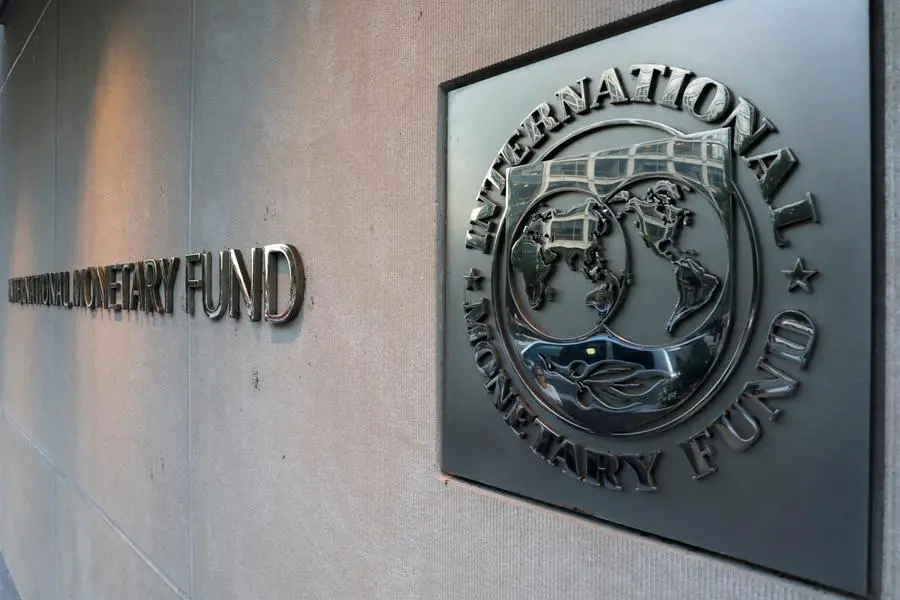
The International Monetary Fund (IMF) has approved the fifth review of the Government of Jordan’s economic reform program, unlocking a total of $188 million in financing. The move signals confidence in the country’s economic management amid ongoing regional instability.
Quick Facts
- Total financing unlocked: $188 million
- Source: IMF’s EFF and RSF programs
- Purpose: Bolster macroeconomic stability
- Key driver: Successful economic reform reviews
Navigating Regional Headwinds
Despite significant regional challenges, Jordan has maintained macroeconomic stability, a result the IMF attributes to prudent fiscal and monetary policies. The government acted quickly to counter the impact of regional conflicts by securing energy supplies, streamlining trade, and providing targeted support to heavily affected sectors like tourism and industry. Continued assistance for vulnerable households through the National Aid Fund was also maintained.
The Central Bank of Jordan (CBJ) has played a key role in ensuring stability, with foreign reserves standing at approximately $27 billion at the end of Q1 2026. In April, the CBJ introduced a JD760 million package to boost liquidity in the banking sector and support industries impacted by regional developments.
Reform Agenda On Track
The latest disbursement, which includes $134 million from the Extended Fund Facility (EFF) and $54 million from the Resilience and Sustainability Facility (RSF), follows Jordan’s successful completion of its reform benchmarks. According to the IMF, the country met all quantitative performance criteria for the end of 2025 and most targets for March 2026.
The IMF highlighted Jordan’s progress in improving the business environment, enhancing market competition, and increasing labor market flexibility. These reforms are seen as critical for stimulating private sector-led growth and job creation. The country’s economy grew by 2.8% in 2025, with projections forecasting 2.7% growth in 2026 before accelerating to 3.1% in 2027, driven by large investment projects.
About Jordan’s National Programme for Financial and Economic Reform
Launched in early 2024, Jordan’s national reform program is a comprehensive agenda aimed at strengthening the country’s economic and financial stability. Through a series of structural, fiscal, and monetary reforms, the program seeks to create a more resilient economy, reduce public debt, and foster an environment conducive to private sector investment and job growth, all while navigating challenging regional conditions.
Source: Zawya