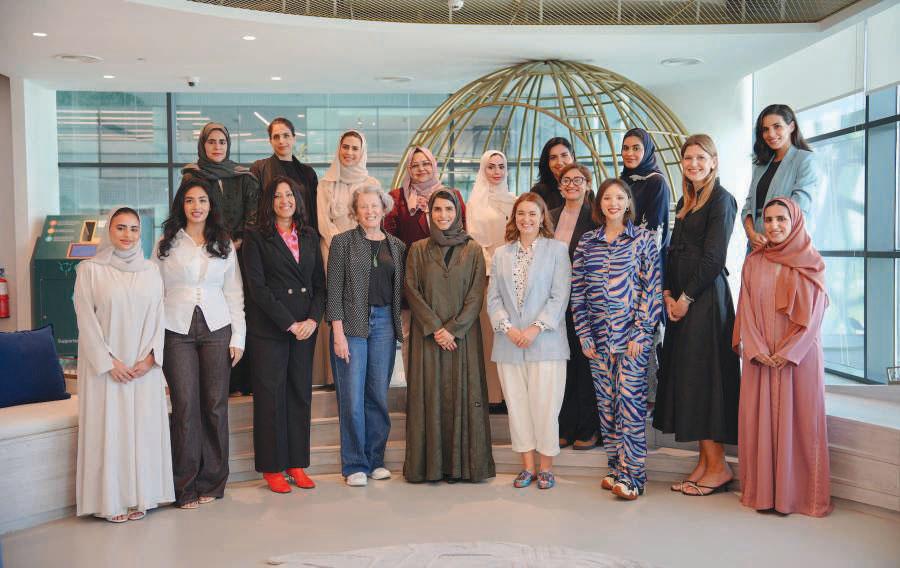






Saudi Arabia has sent biological samples from the Middle East into space for the first time, launching a research program that will examine whether microgravity can support new treatments for Alzheimer’s disease and multiple sclerosis.
The samples were carried to the International Space Station aboard SpaceX CRS-35, with support from NASA, as part of BioGravity-1. The program is led by the Saudi Space Agency and King Abdullah University of Science and Technology.
BioGravity-1 is the first stage of a three-part initiative. Researchers will initially study samples from healthy donors to establish a baseline. Later phases will examine cell models derived from patients with Alzheimer’s and multiple sclerosis, followed by tests of potential treatments and drug targets in microgravity.
Scientists from the National Stem Cell Foundation will also test the “Brain Organoid Village” concept in orbit. The approach combines cells from multiple donors in lab-grown brain tissue models, allowing researchers to study drug safety, genetic responses and disease progression across a broader population before human testing.
Rayyanah Barnawi, Saudi astronaut and general supervisor of microgravity research at the Saudi Space Agency, said the mission reflects the country’s growing capabilities in advanced research and its effort to turn space-based findings into future health applications.
Source: Fast Company Middle East